









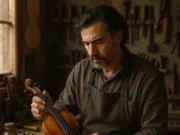

























A 316-year-old Stradivarius violin thought to have been looted during World War II may have been unearthed by a team of experts, according to recent investigations highlighted by Smithsonian Magazine. This discovery could represent a significant moment in the ongoing efforts to reclaim cultural artifacts displaced during conflict.
The violin, crafted by the legendary Italian luthier Antonio Stradivari, belongs to a rare and revered category of instruments treasured not only for their unparalleled sound quality but also for their historical value. Stradivari’s instruments, dating from the late 17th and early 18th centuries, are considered some of the finest ever made, attracting deep interest from musicians, collectors, and historians alike.
During World War II, thousands of artworks and cultural objects were systematically looted or displaced, leaving gaps in museums, private collections, and national heritage. Musical instruments, particularly valuable ones such as Stradivarius violins, were among these cultural casualties. The ill-fated violin disappeared amid this era of upheaval and has since been the subject of searches and inquiries by specialists in provenance and restitution.
The recent efforts to identify this particular instrument involved meticulous examination of records, expert visual inspection, and possibly advanced imaging or material analysis techniques. Though confirmation is still pending, the potential recovery of such a historic violin highlights the importance of cross-disciplinary collaboration between historians, luthiers, and legal authorities to address the legacy of war-related cultural theft.
Context and Significance
Stradivarius violins represent a pinnacle in lutherie craftsmanship, with only around 650 known to survive worldwide. Each instrument carries a story beyond its musical capacities, reflecting centuries-old traditions and artistic mastery. The wartime plundering of cultural goods has left scars on both tangible heritage and collective memory, making restitution efforts vital to the cultural community.
Should this violin’s identification be confirmed, it would not only enrich musical heritage but also serve as a potent symbol of the possibilities for restoring justice to displaced art and artifacts. It may prompt further investigations into other missing items and encourage stakeholders to enhance transparency and provenance research.
Why this matters
- Recovering a historically significant Stradivarius violin contributes to preserving and honoring the cultural heritage disrupted by war.
- The news impacts musicians, collectors, luthiers, and institutions, renewing focus on provenance and ethical stewardship of rare instruments.
- It underscores the importance of meticulous research and vigilance in tracking down looted cultural artifacts.
- Successful identification could catalyze additional restitution efforts for other lost items from the World War II era.
- Highlights the enduring legacy and value of classical instruments in historical and artistic narratives.
— The Violin Post Editorial Staff