
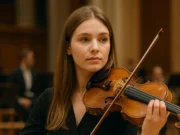


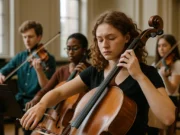
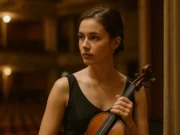
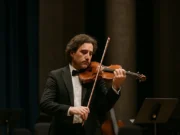
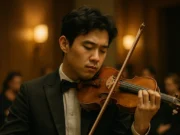
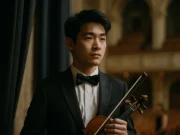
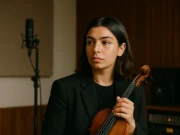
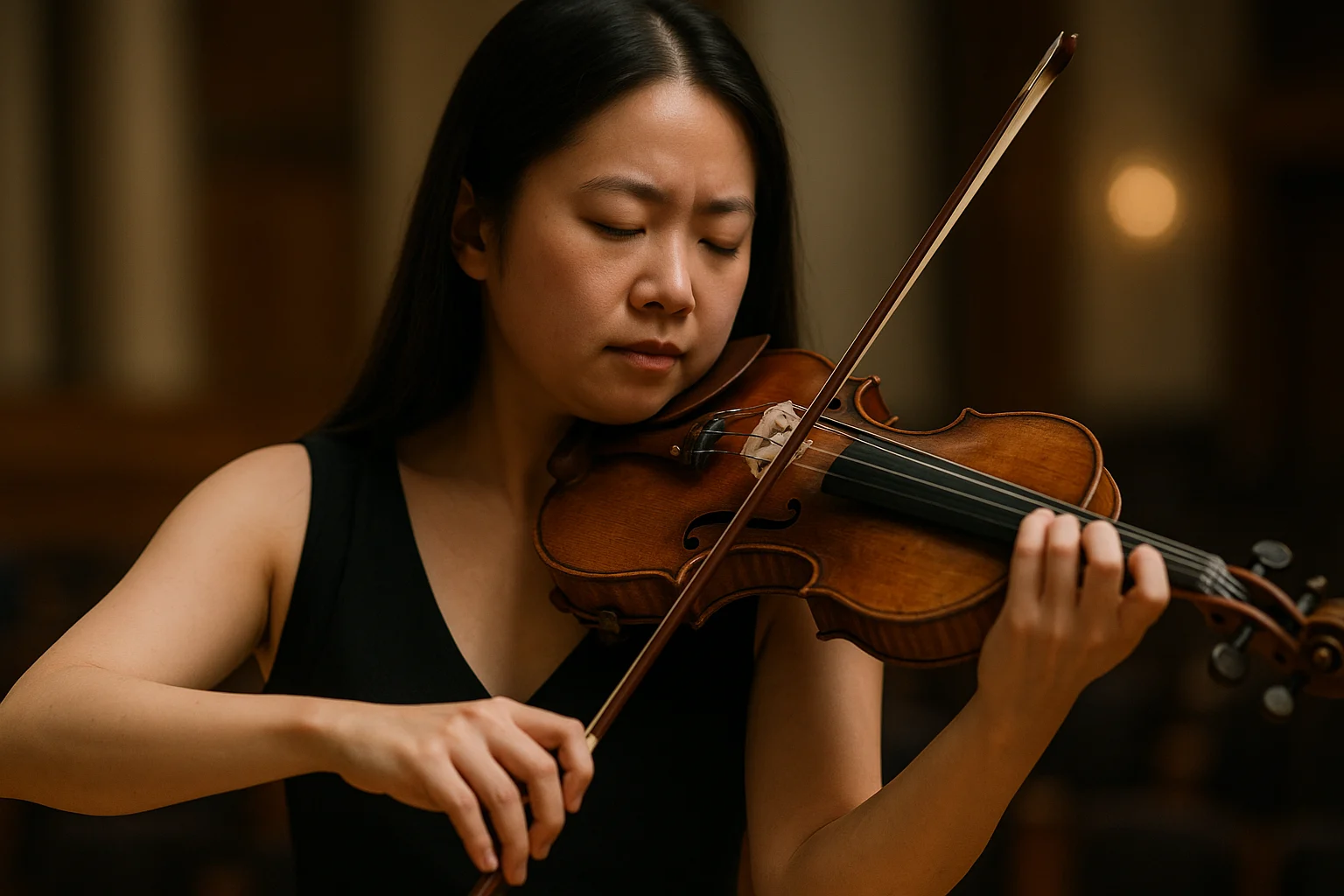
Violinist Stella Chen has released a new album that brings together Ludwig van Beethoven’s and Samuel Barber’s violin concertos, two seminal works that have shaped the concerto repertoire across centuries. This recording showcases Chen’s refined technique and emotional depth, inviting listeners to explore the contrasting landscapes of classical and 20th-century music.
Beethoven’s Violin Concerto in D major, Op. 61, remains a pinnacle of the violin literature, admired for its lyrical expansiveness and heroic character. Barber’s Violin Concerto, composed almost a century later, presents a different voice—infused with American sensibilities, marked by rhythmic vitality and introspective passages. Chen’s decision to juxtapose these works offers an engaging dialogue between two eras and styles.
Throughout the album, Chen’s interpretation balances technical precision with expressive warmth, highlighting the narrative elements embedded in both scores. Her approach illuminates Beethoven’s classical clarity alongside Barber’s modern expressiveness, making the album a valuable contribution to contemporary violin discography.
Recording violin concertos is a vital undertaking for artists seeking to establish themselves within the classical music canon. By tackling these compositions, Chen not only reaffirms her command over demanding repertoire but also invites listeners to revisit familiar masterpieces with renewed perspective.
Why this matters
- This album enriches current violin repertoire recordings by coupling a canonical classical concerto with a 20th-century American composition, encouraging cross-era appreciation.
- It impacts professional violinists and students by providing a contemporary interpretation that blends tradition with modernity, useful for study and performance reference.
- Orchestras and conductors may find inspiration in Chen’s interpretative choices, which could influence future programming decisions involving these concertos.
- Luthiers and instrument enthusiasts gain insight into the tonal qualities required to navigate differing compositional demands in a single album.
- Listeners and collectors of classical music recordings receive a thoughtfully curated perspective that broadens understanding of violin concerto literature and its evolution.
— The Violin Post Editorial Staff