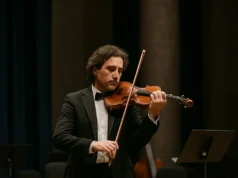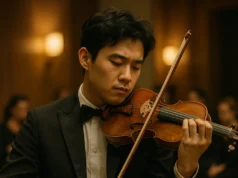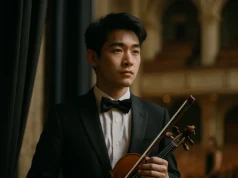

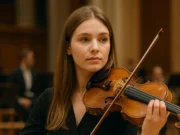

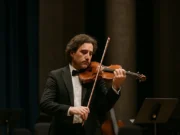
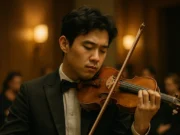
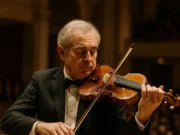
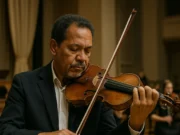

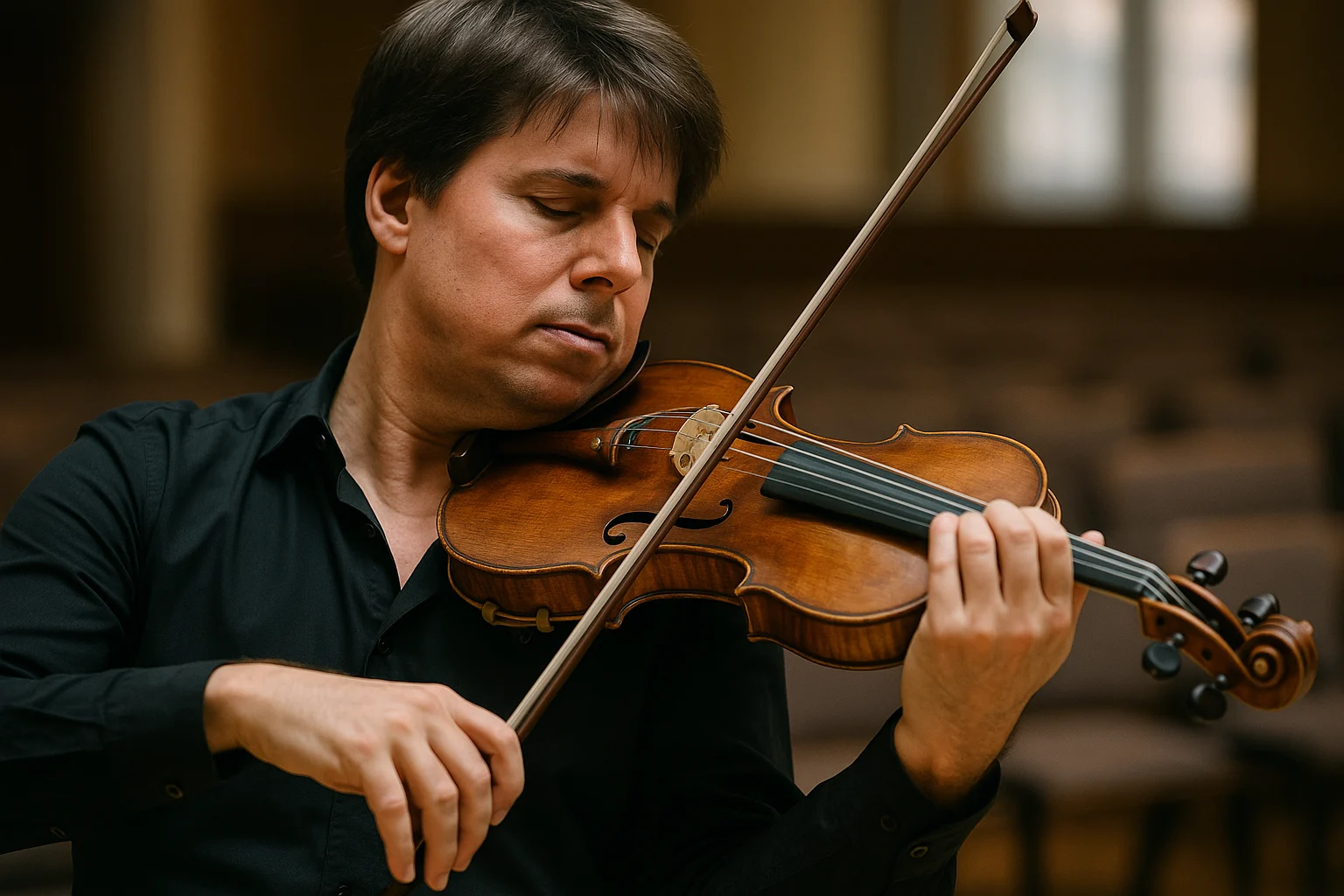
In the realm of classical music, few violinists have achieved the level of acclaim and influence as Joshua Bell. Renowned for his technical mastery and expressive depth, Bell’s career exemplifies a synthesis of artistic excellence and innovative engagement with audiences.
Bell’s trajectory in music is marked not only by his virtuosity but also by moments that challenged the norms of concert performance. One notable instance was his well-documented subway performance, an experiment that brought classical music into an unexpected public forum. This event demonstrated both the ubiquity and the obscured presence of high art in everyday life, provoking reflection on how audiences perceive and value musical artistry in unconventional settings.
Beyond such public projects, Bell’s extensive repertoire and recordings affirm his commitment to both traditional and contemporary works. His interpretations are noted for their sensitivity and nuanced phrasing, breathing fresh life into familiar compositions while championing new creations. As a recording artist, Bell has collaborated with major orchestras and conductors, contributing to the broad dissemination of classical music worldwide.
Joshua Bell’s impact extends into educational and cultural spheres as well. Through masterclasses and advocacy, he has influenced upcoming generations of musicians, highlighting the importance of technical discipline coupled with emotional engagement. His role models the evolving responsibilities of classical musicians: not only to perform with excellence but also to innovate and expand the relevance of the art form.
The significance of artists like Bell in the classical music ecosystem underscores ongoing shifts in audience development and engagement strategies. By embracing both venerable traditions and contemporary contexts, Bell exemplifies how classical music can remain vital and accessible.
Why this matters
- Joshua Bell’s career highlights the dynamic intersection of artistic mastery and public engagement, emphasizing new ways to experience classical music.
- His work influences diverse stakeholders including performers, educators, audiences, and cultural institutions, encouraging broader accessibility.
- Bell’s example underscores ongoing challenges and opportunities for classical music to remain relevant in evolving social and cultural landscapes.
- Observing Bell’s initiatives provides insight into future directions for audience outreach and the fusion of traditional performance with innovative presentation.
- His engagement with both canonical repertoire and contemporary commissions advances the art form’s vitality and sustains its growth across generations.
— The Violin Post Editorial Staff