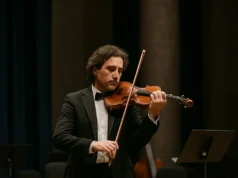



Nestled in the heart of New York City, Lincoln Center stands as a towering beacon of artistic excellence and cultural heritage. Its influence on the classical music scene, among other disciplines, has shaped decades of performance and scholarship on both national and international stages.
For the 2025/26 season, Lincoln Center is embracing this legacy by explicitly linking its historical foundations with forward-looking initiatives. By weaving together past and future, the institution signals an intent to honor its storied traditions while engaging actively with new artistic voices and evolving audience expectations.
This strategic approach is significant in context. As classical music institutions worldwide grapple with questions of relevance, accessibility, and innovation, Lincoln Center’s season plans serve as a template for balancing stewardship of the canon with openness to emerging forms and participants. Programming choices that reflect this duality often integrate classic repertoire with contemporary works, amplify underrepresented artists, and explore cross-disciplinary collaborations, all while maintaining a commitment to excellence.
Moreover, by situating its season within a narrative of continuity and change, Lincoln Center provides both artists and audiences a framework to experience the art form as a living, dynamic force rather than a static museum piece. Such positioning can invigorate institutional identity and foster a vibrant cultural ecosystem.
Looking ahead, the 2025/26 season at Lincoln Center is poised not only to showcase outstanding performances but also to influence broader conversations about the role of classical music in society. As the center leverages its platform to bridge generations and sensibilities, its initiatives may inspire peer institutions to adopt similarly integrative programming strategies.
Why this matters
- This announcement underscores the growing importance of connecting classical music’s rich history with innovative contemporary artistry to maintain cultural relevance.
- Musicians, educators, and administrators are directly impacted as such initiatives can expand opportunities for diverse repertoire and broader artistic participation.
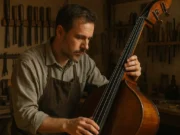
- Luthiers and instrument makers benefit indirectly through increased interest in live performance and the ensuing investment in instrument craftsmanship.
- Orchestras and ensembles may find new models of programming that blend tradition with innovation, influencing future season planning.
- Observers should watch how Lincoln Center’s approach affects audience development and institutional sustainability, potentially serving as a benchmark for other cultural organizations.
— The Violin Post Editorial Staff