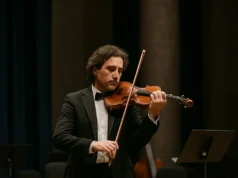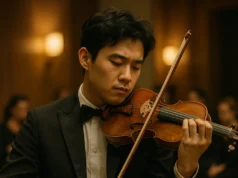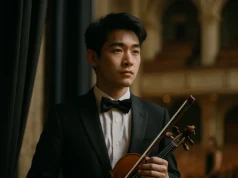

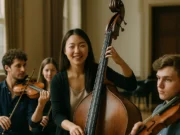
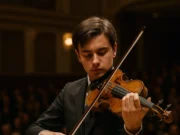
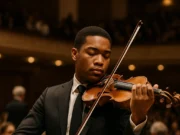
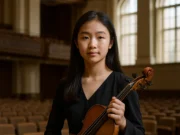
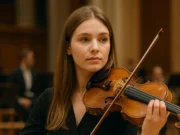
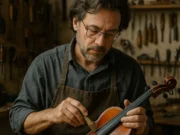
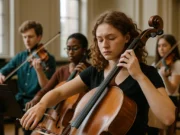
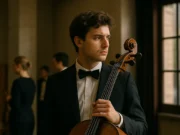
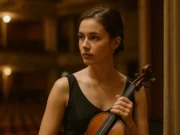
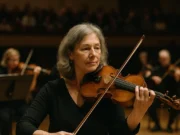
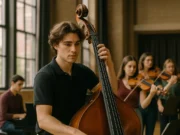
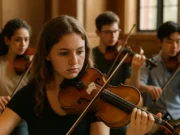
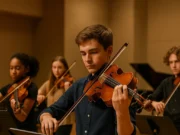
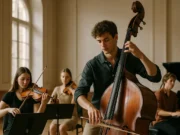
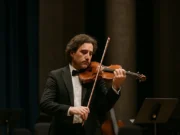
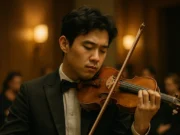
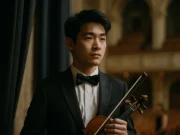
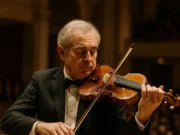
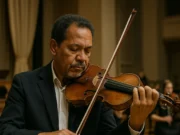
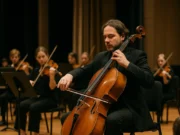
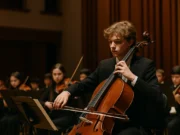

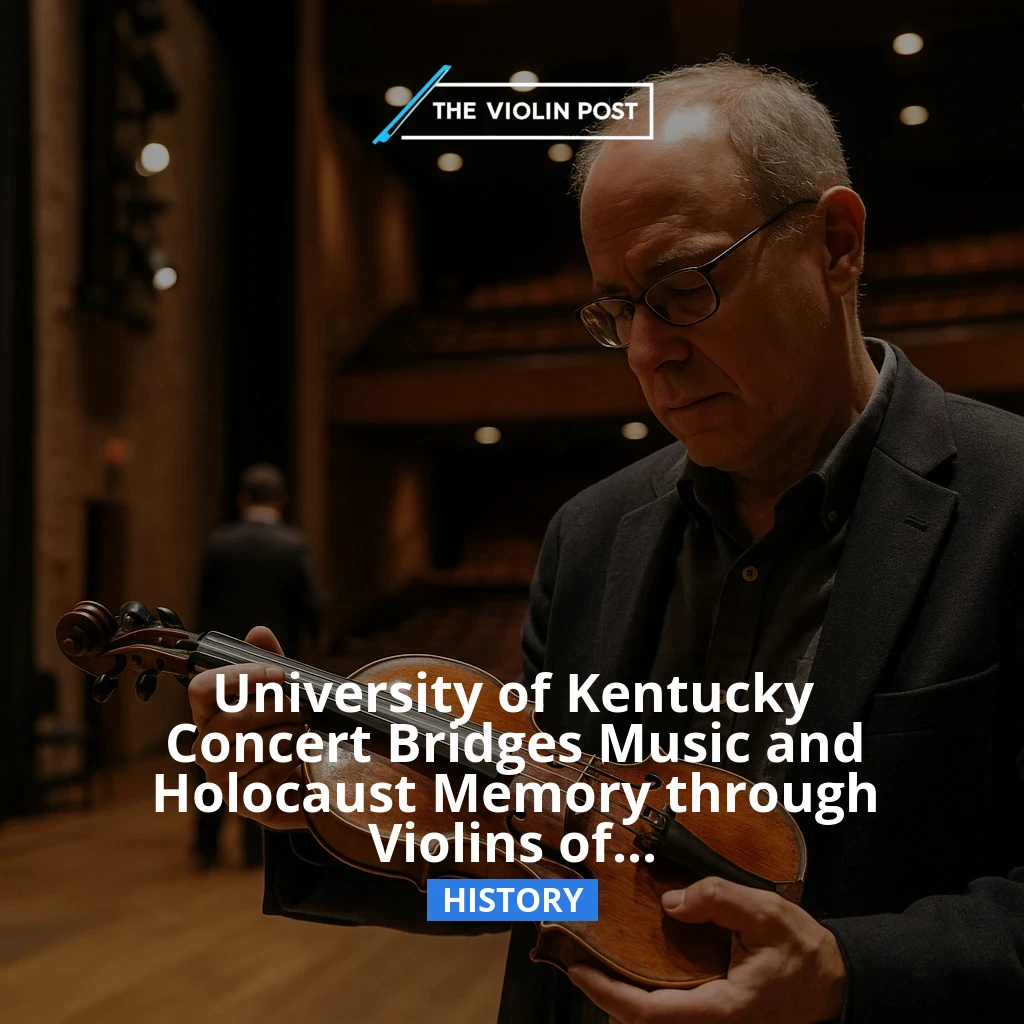
At the University of Kentucky (UK), a recent concert featuring the collection known as Violins of Hope created a poignant link between music and history for student performers. The Violins of Hope project, which encompasses restored instruments that survived the Holocaust, serves as a tangible reminder of the resilience of culture and human spirit amid unimaginable adversity.
The concert provided UK’s student musicians with the rare opportunity to perform on violins with deeply significant pasts. These instruments are not ordinary concert tools but artifacts that carry the memories of their original owners—violinists who faced persecution, exile, and in many cases, death during the atrocities of World War II. Their voices, silenced by the Holocaust, now resonate anew, casting the performance in a weightier context.
This initiative aligns with a global effort to preserve and honor the cultural heritage of Holocaust victims through music. Scholars and musicians alike recognize that engaging with such historical material through live performance fosters an intimate connection between artists and audiences, enriching the educational experience beyond conventional classroom teaching.
For the students at UK, the project offered more than just a recital. It became a platform for reflection on the role of music as both a form of resistance and a means of survival. It challenged them to embody not only the technical demands of their repertoire but also the narratives embedded within these treasured instruments.
Moreover, the concert highlighted the responsibilities musicians bear as custodians of cultural memory. In bringing these violins back to life, they contribute to a broader dialogue about remembrance, identity, and the power of the arts to confront historical trauma.
As the Violins of Hope collection continues to tour and inspire educational programs worldwide, such collaborations prompt deeper consideration of how classical music can serve both artistic and humanitarian purposes. For the University of Kentucky, this event adds to a growing tradition of integrating historical consciousness within music education.
Why this matters
- The concert underscores the importance of historical awareness in musical training, encouraging musicians to engage with the deeper narratives behind their instruments and repertoire.
- It offers students a unique, tangible connection to Holocaust history, enriching their educational journey through firsthand experience rather than abstract study.
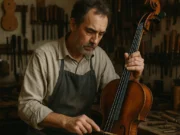
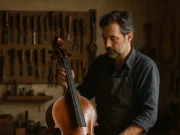
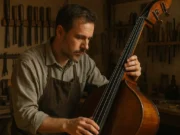
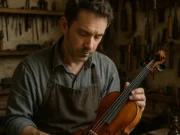
- The project reinforces the role of luthiers, historians, and musicians working together to preserve instruments as living testimonies to human resilience.
- By spotlighting this initiative, orchestras and institutions are reminded of the potential of thematic programming to foster cultural dialogue and social reflection.
- Future engagements with collections like Violins of Hope may inspire expanded interdisciplinary collaborations, merging music performance with history, ethics, and remembrance studies.
— The Violin Post Editorial Staff