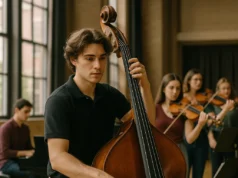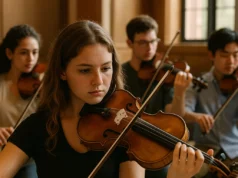

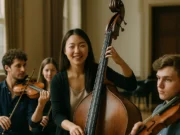
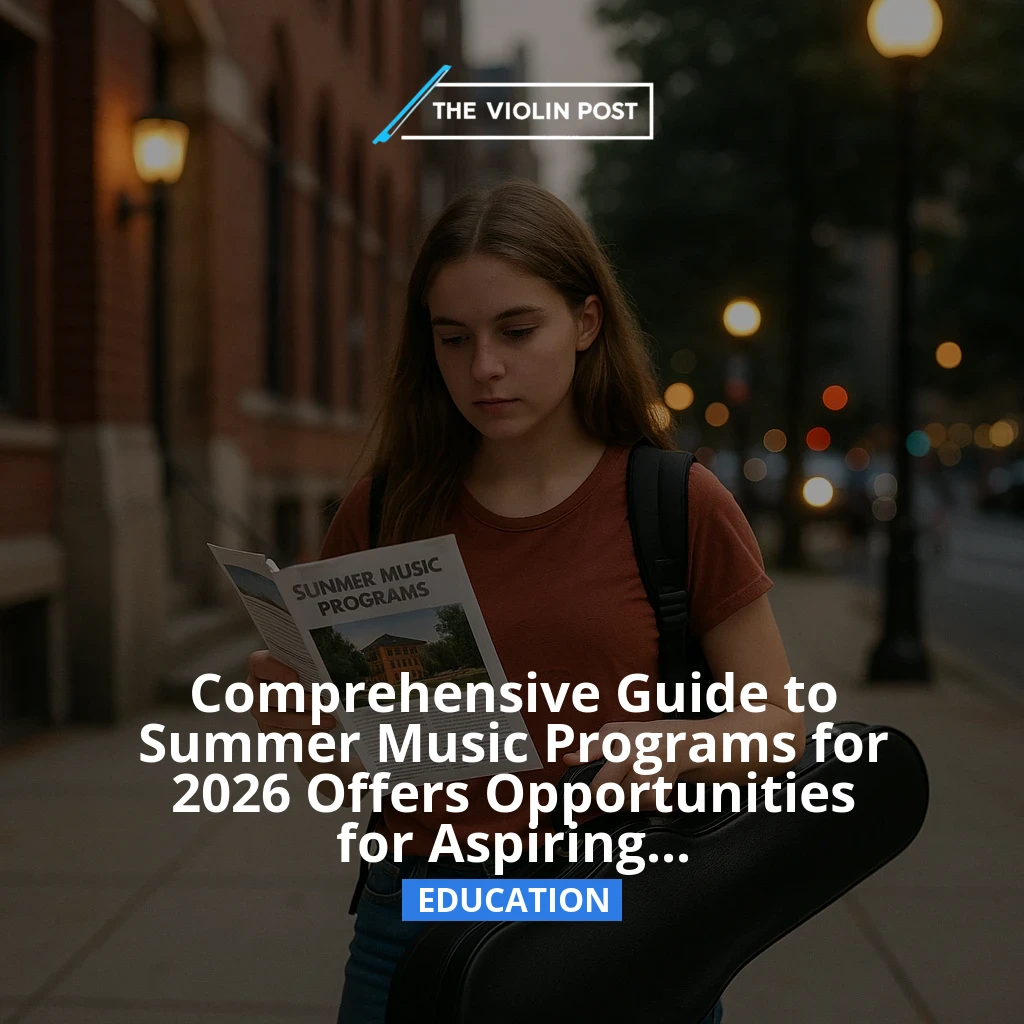
A thorough resource outlining summer music programs available in 2026 has been compiled, providing musicians with valuable information on options for study and performance during the upcoming season. This compilation, accessible through Violinist.com, serves as a key reference for students, educators, and professionals seeking intensive musical experiences ranging from conservatory-level training to specialized workshops.
The programs listed encompass a variety of classical music disciplines and cater to a broad range of skill levels and artistic focuses. Institutions worldwide, from academic conservatories to dedicated music festivals, contribute to this diverse selection, reflecting the global nature of musical education and cultural exchange.
Summer music programs traditionally offer intensive curricula including masterclasses, ensemble playing, solo repertoire development, and sometimes opportunities for public performance. Such programs play a significant role in advancing musicians’ technical skills, artistic interpretation, and professional networks. They often serve as critical milestones in a musician’s career development, providing mentorship from renowned faculty and exposure to a wider musical community.
As musicians plan for the 2026 season, this guide can assist in identifying programs that best match their artistic goals, whether they are emerging students or advanced professionals seeking refinement. The listing facilitates informed decision-making by consolidating program details such as duration, application deadlines, faculty rosters, and financial aid options.
With access to an array of summer programs, musicians can tailor their education and professional growth to the evolving demands of the classical music field. Increasingly, summer programs incorporate diverse repertoire, interdisciplinary collaboration, and engagement with contemporary music, reflecting broader trends in the industry.
Why this matters
- Provides a centralized resource for musicians to plan summer educational and performance activities well in advance.
- Impacts a wide range of stakeholders including music students, educators, conservatories, and festival organizers.
- Supports career development by connecting musicians with opportunities for specialized training and networking.
- Offers insight into evolving program offerings that reflect current trends in classical music education.
- Encourages awareness of application timelines and preparatory requirements to optimize participation and financial planning.
— The Violin Post Editorial Staff