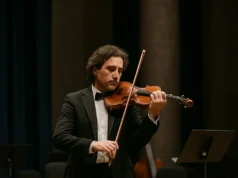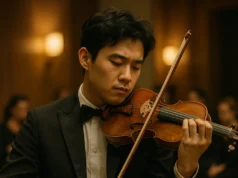



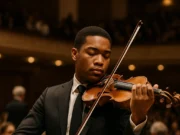

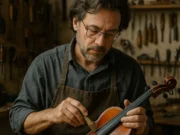
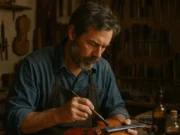
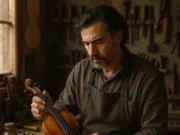
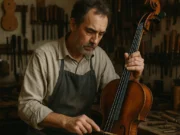
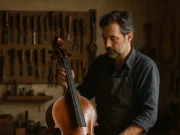
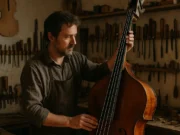



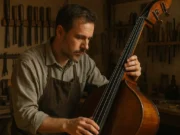
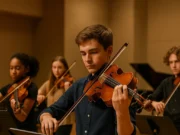
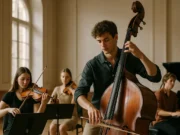



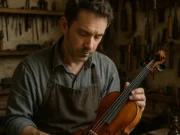


Colorado’s musical landscape is intertwined with a lesser-known narrative: the story of its own luthiers. These craftsmen, who meticulously fashioned stringed instruments in the shadows of the Rocky Mountains, have largely escaped widespread recognition despite their lasting influence on the state’s cultural fabric.
Historical research compiled by History Colorado sheds light on this underappreciated community of string instrument makers. Operating throughout various periods, these luthiers combined traditional European techniques with distinctive local elements, responding to both the demands of musicians and the availability of native materials.
Their workshops served not only as production sites but also as hubs of repair and innovation, supporting the growth of Colorado’s musical activities by ensuring access to high-quality string instruments. This was especially vital in a region where transporting instruments over difficult terrain posed logistical challenges.
Although documentation is often scattered and fragmented, surviving instruments attest to the skill and dedication of these artisans. Several examples showcase unique veneers and carvings that reflect Colorado’s natural landscape, while others adhere strictly to classical models, demonstrating a devotion to time-honored craftsmanship.
This luthier tradition contributed indirectly to the flourishing of local ensembles and educators by providing instruments that were both artistically significant and supremely functional. Furthermore, their quiet presence helped cultivate a musical ecosystem that values handcrafted quality and personal artistry.
Why this matters
- It highlights an overlooked chapter in American lutherie, expanding the geographical and cultural understanding of instrument craft beyond historic European centers.
- Musicians and collectors gain insight into the provenance and unique character of instruments originating from Colorado, informing performance practice and conservation efforts.
- Current and aspiring luthiers can draw inspiration from regional history, potentially reviving traditional techniques adapted to local materials and sensibilities.
- Music historians and cultural institutions enrich their narrative of American musical heritage by incorporating the contributions of these local craftsmen.
- Awareness of Colorado’s luthier legacy may stimulate preservation initiatives and exhibitions, fostering appreciation for handmade instruments within and beyond the state.
— The Violin Post Editorial Staff