





























In neighborhoods such as Shaker Heights and Cleveland Heights, subtle yet stunning ironwork catches the eye—ornate gates, polished grilles above doorways, and sweeping decorative motifs crowning windows.
Forged in Beauty: Cleveland Museum of Art Honors Rose Iron Works and the Art Deco Heritage – History
These elements are more than just beautiful; they embody a rich history and local heritage deeply personal to residents.
The Cleveland Museum of Art’s latest exhibition, “Rose Iron Works and Art Deco,” highlights this enduring artistic legacy central to the city.
Now open through Sunday, October 19, in the Julia and Larry Pollock Focus Gallery, the exhibit is a compelling experience for both art enthusiasts and history lovers alike, arriving at a significant moment.
Coming in 2025 is the centennial celebration of Art Deco as a design movement, marking 100 years since the International Exposition of Modern Decorative and Industrial Arts in Paris put Art Deco on the global stage.
During Cleveland’s era of industrial growth powered by its iron and steel sectors, Hungarian blacksmith Martin Rose brought his vision to the city—not merely to build, but to create beauty.
Founded in the early 1900s, Rose Iron Works quickly became a national name in decorative metalwork. Rose, trained in the refined artistic traditions of Budapest and Vienna, infused his work with exceptional skill and passion.
As a result, Rose Iron Works holds the distinction of being the oldest decorative metalwork company in the United States.
Rose’s creations combined the Old World elegance of Art Nouveau with the emerging sleekness and optimism of Art Deco—an aesthetic transition reflecting the spirit of progress in the early 20th century.
The partnership with designer Paul Fehér, another Hungarian with authentic Parisian Art Deco roots, brought a distinctive synergy. Their collaboration resulted in work that was authentically European but proudly infused with Midwestern grit and craftsmanship.
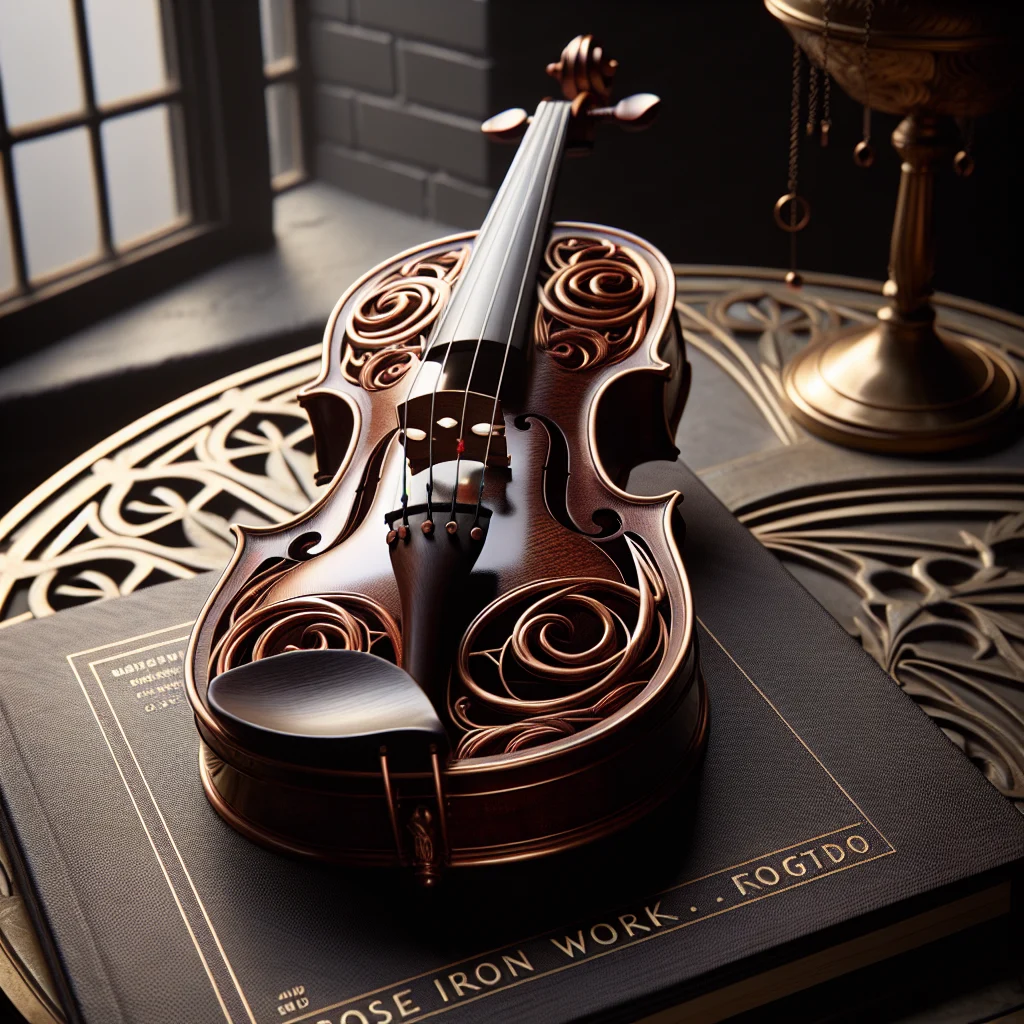
At the heart of the exhibit is the iconic “Muse with Violin” screen (1930), a masterpiece recognized as a pinnacle of American Art Deco.
Other highlights include an extensive 90-foot frieze illustrating the history of metalworking and a preserved door grille salvaged from Cleveland’s historic Halle Brothers department store, a former symbol of luxury shopping in the city.
These artifacts are much more than museum exhibits; they serve as time capsules capturing Cleveland’s identity as a city once thriving on steel, brass, and chrome. The display fosters a global dialogue about design, extending beyond regional pride.
A particularly meaningful loan features an overdoor crafted circa 1885 by Gyula Jungfer, Martin Rose’s mentor in Budapest, linking Cleveland’s design legacy directly to its European heritage.
The exhibit traces a journey from the ornate gates of Budapest through Cleveland’s historic mansions, and from the 1925 Paris Exposition to the city’s booming industrial period—all expressed through metal shaped by artists who saw utilitarian objects as embodiments of beauty.
Ada de Wit, the museum’s decorative arts curator who joined CMA in 2023, brings an international lens to this deeply local narrative.
“This exhibit focuses on the first three decades of Rose Iron Works, from its founding in 1904 through the 1930s,” de Wit explained. “That period includes some of the company’s most renowned Art Deco pieces.”
With a background spanning London, Rotterdam, and a Ph.D. on woodcarving’s golden age, de Wit considers Cleveland’s industrial-era elegance a vital chapter in global design history rather than a regional footnote.
“Defining craft versus fine art can be challenging in decorative arts because many works are crafted by artisans who are also true artists,” she said. “Martin Rose, trained under a strict European guild system, was undeniably an artist first.”
Under de Wit’s stewardship, the museum’s extensive 5,000-piece decorative arts collection—including those from Rose Iron Works—is gaining enhanced recognition. Her goal is to uncover fresh insights into Art Deco’s origins and influence.
“I prefer to explore discoveries rather than revisiting subjects that have already been extensively studied,” she noted.
A gaining perspective from outside Cleveland, she finds great value in highlighting the quality of Rose Iron Works’ output within a wider context.
“Their eclectic, classical style deserves national and international acknowledgment,” de Wit affirmed.
This exhibition elevates a facet of Cleveland’s heritage that has long been overlooked despite being visible in plain sight, confirming the city’s rich tradition of artistry and innovation even when global attention waned.
Rose Iron Works is not merely a historic name; it remains a vibrant part of Cleveland’s architectural fabric, still operated by the founding family more than 100 years later. New commissions, such as the 2025 companion screens inspired by the “Muse with Violin,” attest to its ongoing creative vitality.
There is a collective pride—not only within the museum and the neighborhoods adorned with Rose’s work but among all who call Cleveland home. The city’s identity encompasses far more than industry and grit; it is also about enduring beauty forged through craft and passion.
Cleveland has continually shone in the world of design and craftsmanship.
“Rose Iron Works and Art Deco” is exhibited at the Cleveland Museum of Art, located at 11150 East Boulevard, Cleveland, through Sunday, October 19. The exhibition, housed in the Julia and Larry Pollock Focus Gallery, chronicles the company’s evolution from Art Nouveau to Art Deco during its formative 30 years. Admission is free and open to the public. More information is available at clevelandart.org.
— The Violin Post Editorial Staff