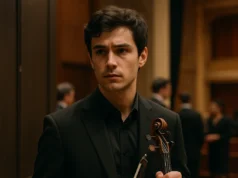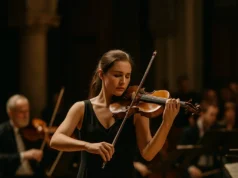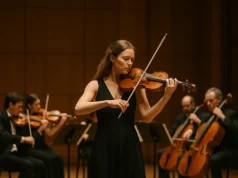

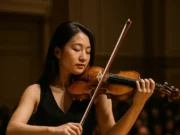
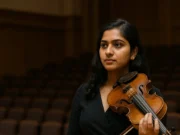
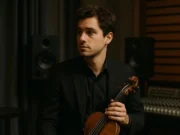
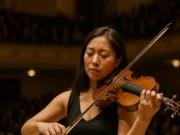

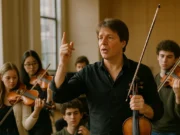
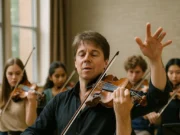
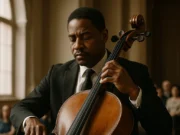
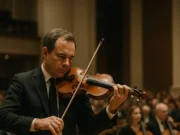
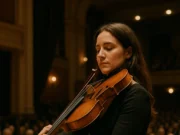
The Australian Festival of Chamber Music (AFCM) has released the program details for its 2026 edition, continuing its tradition of presenting a rich array of chamber music performances. Set to take place in Townsville, this annual event brings together international and Australian artists to explore the chamber repertoire’s depth and diversity.
While specific concert highlights and artists are yet to be fully disclosed, the AFCM program historically features a blend of classical masterpieces, contemporary compositions, and imaginative collaborations. The 2026 schedule is expected to uphold this vibrant mix, offering audiences access to both established names and emerging talents in the chamber music field.
Founded in 1991, the festival has grown into a significant fixture on the classical music calendar, drawing visitors and musicians worldwide. Its unique setting in Australia’s tropical north contributes to its distinct atmosphere, combining cultural exchange with the region’s natural environment.
The festival’s programming tends to emphasize not only performance but also educational initiatives such as masterclasses, workshops, and outreach activities that engage students, local communities, and professionals. By nurturing young musicians and encouraging audience development, AFCM plays an influential role in sustaining Australia’s chamber music ecosystem.
As planning progresses, the AFCM team is likely to focus on curating a program that balances innovation with tradition, reflecting trends in contemporary composition and performance practice. The 2026 festival will serve as an important platform for networking among artists and institutions, as well as an opportunity for listeners to experience the intimacy and dynamism of chamber music.
Why this matters
- The AFCM 2026 program release signals ongoing support for chamber music within Australia, reinforcing its cultural significance.
- The festival impacts a broad range of stakeholders—including musicians, educators, students, concert presenters, and instrument makers—by fostering artistic exchange and professional growth.
- It offers a barometer for evolving repertoire trends and performance styles in chamber music.
- Continued investment in educational activities contributes to the sustainability of classical music traditions for future generations.
- Observers should watch for announcements regarding featured artists and premiere performances that may influence programming choices worldwide.
— The Violin Post Editorial Staff