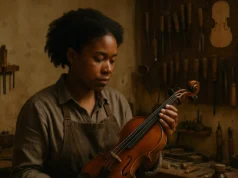






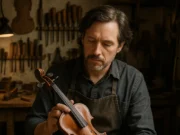
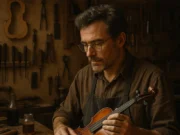
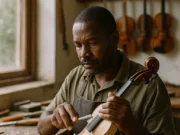

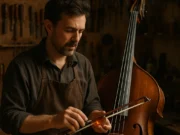













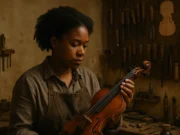

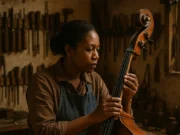



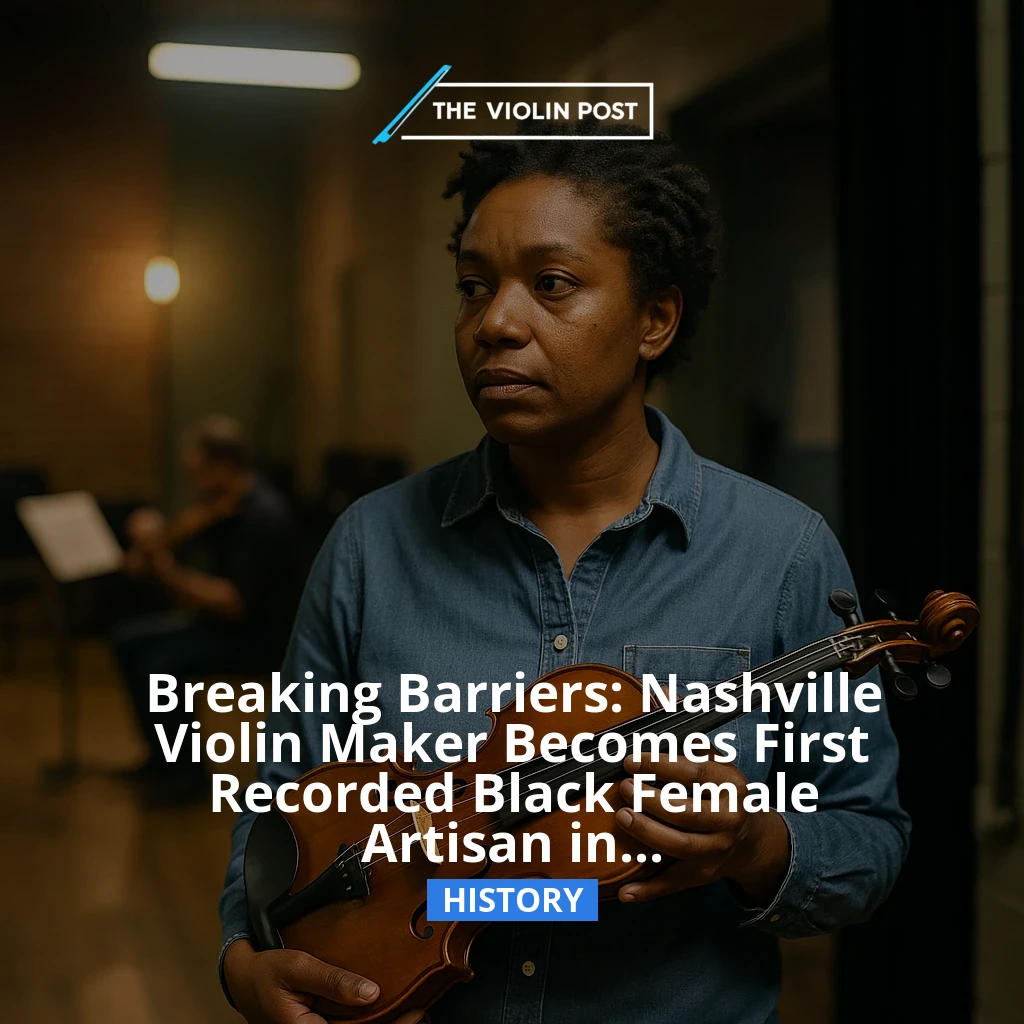
Violin making, a centuries-old art deeply rooted in European tradition, has long been dominated by a narrow demographic, with limited representation of women and people of color. In Nashville, Tennessee, this landscape is quietly shifting. A local woman has earned the distinction of being the first recorded Black female violin maker in the United States, breaking new ground in a field revered for its meticulous craftsmanship and heritage.
The woman’s accomplishment draws attention to the broader narratives of inclusion and diversity in the classical music ecosystem, where the creation and maintenance of instruments play a crucial role in the cultural and artistic fabric. While violinists and orchestras often take center stage, the artisans who build these instruments sustain the tradition through their expertise in woodwork, acoustics, and design.
Crafting a violin is a complex journey involving precise knowledge of woods, varnishes, and acoustical properties. Historically, this knowledge has been passed down through generations of predominantly white male luthiers. The emergence of this Nashville violin maker challenges the status quo and offers representation that has been largely absent. It provides a powerful example for aspiring musicians and artisans from underrepresented backgrounds, signaling that the paths of both performance and instrument creation are open and attainable.
This breakthrough invites reflection on the accessibility of artisanal training and resources. Institutions and workshops dedicated to lutherie may find renewed impetus to broaden outreach and support for diverse candidates. Moreover, orchestras, conservatories, and music schools might engage with such narratives to enrich their educational and recruitment missions, fostering equity in all facets of the classical music industry.
Looking ahead, the presence of this pioneering luthier could inspire collaborations between makers and performers that elevate the voices of Black musicians and instrument builders alike. It may also encourage collectors and enthusiasts to seek out instruments crafted by a wider array of artisans, expanding both the market and appreciation for diverse craftsmanship.
Why this matters
- Represents a significant step toward inclusivity in the historically homogeneous craft of violin making.
- Inspires Black women and other underrepresented groups to pursue careers in both music performance and instrument craftsmanship.
- Highlights the importance of diversifying access to specialized lutherie education and training programs.
- May influence orchestras, conservatories, and music institutions to foster greater equity across the music ecosystem.
- Signals potential shifts in the cultural appreciation and market for instruments made by diverse makers.
— The Violin Post Editorial Staff