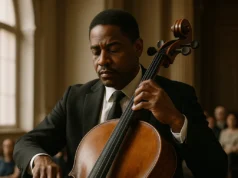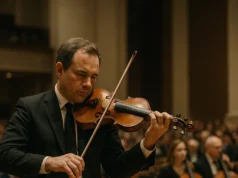

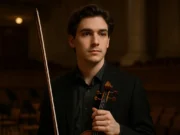
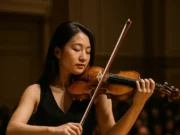
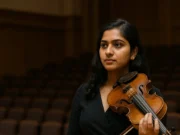
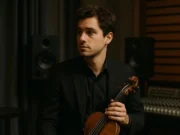
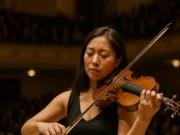
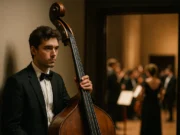
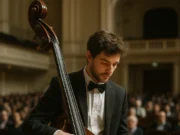
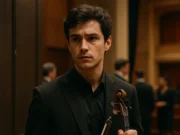
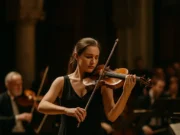
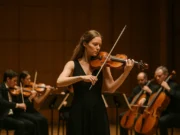
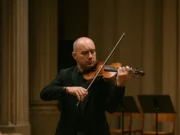
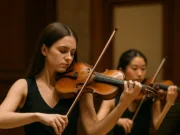
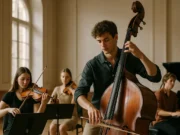
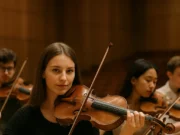
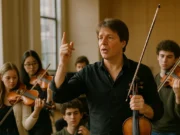
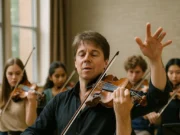

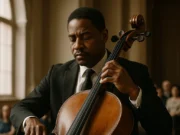
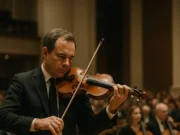
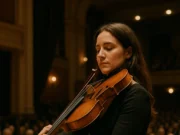
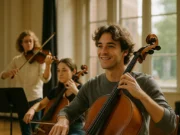
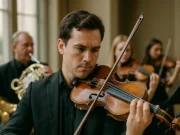

The Chicago Youth Symphony Orchestra (CYSO), an institution dedicated to nurturing young classical musicians, achieved a historic milestone by performing a solo set at Lollapalooza, one of the world’s most prominent music festivals. This unprecedented appearance marks the first time a youth symphony orchestra has been featured independently on the festival’s stage, expanding the traditional boundaries of classical music presentation.
Founded in 1946, the Chicago Youth Symphony Orchestra has long been a pillar in the development of emerging musicians, offering rigorous training and performance opportunities for talented young artists. While the orchestra typically performs within concert halls and classical music venues, this leap onto a major, mainstream festival platform signals a deliberate effort to bridge classical music with broader, diverse audiences.
At Lollapalooza, known primarily for its lineup of rock, pop, and electronic acts, CYSO captivated the audience with a program showcasing the versatility and vibrancy of orchestral music. Their presence on such a prominent stage reflected a departure from the traditional festival norms and underscored the growing inclusivity of classical ensembles within popular music contexts.
The performance itself was received with enthusiasm, prompting positive reactions both from festival-goers and industry observers. It highlighted the potential for youth orchestras to engage new audiences, challenge preconceptions about classical music’s relevance, and create fresh dialogues between musical genres.
Looking forward, this moment could signal an expansion in opportunities for youth and community orchestras to participate in multidisciplinary music events. By entering spaces typically dominated by contemporary popular music, these ensembles can elevate their profiles and foster cross-genre collaborations that enrich the musical landscape.
Why this matters
- This event demonstrates classical music’s ability to adapt and resonate within modern, diverse festival environments.
- It impacts young musicians by opening new performance avenues beyond traditional concert settings.
- Orchestras worldwide may find inspiration to seek innovative platforms that broaden their audience reach.
- The integration of classical ensembles into popular festivals encourages cultural exchange and musical experimentation.
- Monitoring how such collaborations evolve will reveal shifting trends in audience engagement and classical music’s role in contemporary culture.
— The Violin Post Editorial Staff