
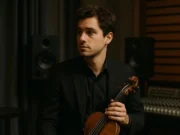
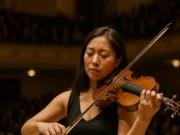
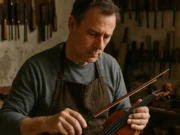
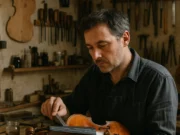
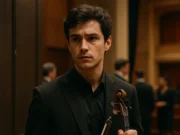
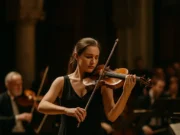
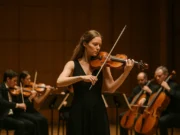
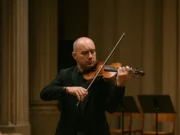
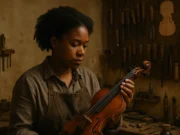
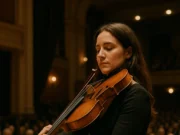
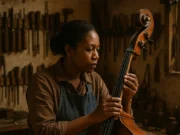
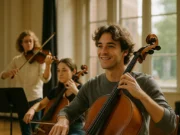
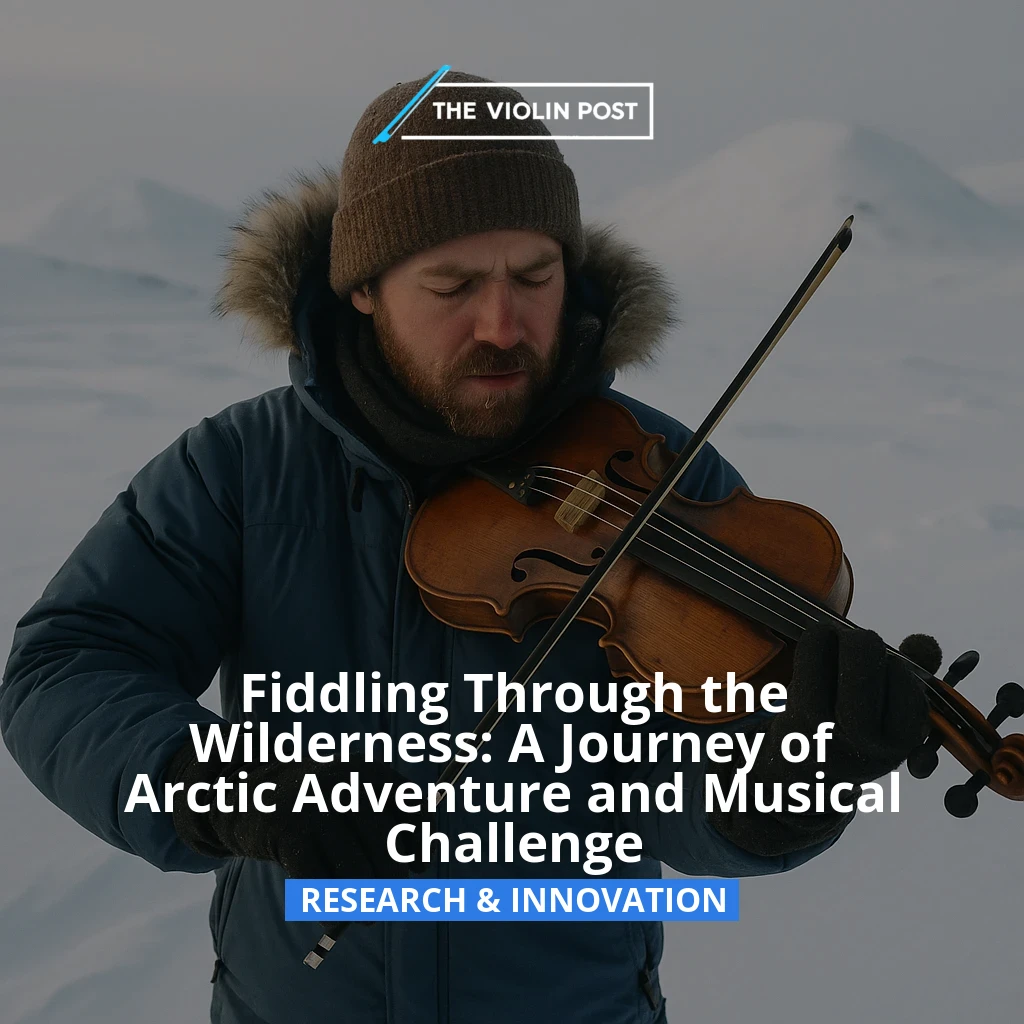
In the far reaches of the Arctic, where the landscape tests both endurance and spirit, one musician embraces the fiddle not just as an instrument but as a personal challenge. A lifelong adventurer with extensive experience in harsh and remote environments, this individual reflects on the complexities and rewards of mastering fiddle music amid the solitude of the North.
The pursuit of fiddle playing in the Arctic presents unique obstacles. Geographic isolation can limit access to formal instruction, while the demands of adventurous living often compete with dedicated practice time. Yet, for this musician, the challenge is part of the appeal, intertwining the ruggedness of the environment with the intricate discipline required for the fiddle.
Fiddling in such a context offers a compelling story of resilience and passion. The Arctic’s stark beauty and silence provide a distinctive backdrop that enriches the musical experience, shaping interpretations and connecting the player to cultural roots in new ways. Despite the physical and logistical difficulties, the musician’s commitment reflects a broader trend among artists who pursue their craft without traditional support systems.
This narrative also sheds light on the role of classical and traditional music in remote communities, where it serves both as a form of artistic expression and a bridge to cultural heritage. The integration of personal exploration with musical development exemplifies how individuals navigate and redefine their artistic journeys outside established centers of classical music.
Why this matters
- Highlights the intersection of environment and artistry, illustrating how place influences musical practice.
- Reveals challenges faced by musicians outside major urban cultural hubs, of interest to educators and institutions fostering inclusivity.
- Offers insight into the continuing vitality and adaptation of traditional music forms in diverse settings.
- Encourages broader understanding of how classical and folk music can thrive beyond conventional pathways.
- Points to potential shifts in how musical talent is nurtured and recognized in remote or underserved regions.
— The Violin Post Editorial Staff