







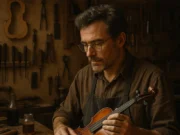


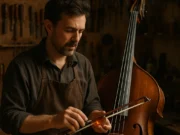
















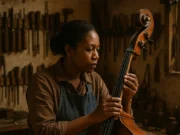




Höfner, the German manufacturer famed for producing the iconic violin bass popularized by Paul McCartney of The Beatles, has filed for bankruptcy. The company’s financial troubles mark a significant moment for the music instrument industry, particularly for those invested in string instruments and their historical legacies.
Höfner Files for Bankruptcy: Impact on the Legacy of the Iconic Violin Bass – Luthier & Making
Founded in 1887, Höfner has been a notable figure in the instrument-making world, especially recognized for its violin-shaped electric bass guitar. This bass became emblematic of 1960s rock and pop music through its association with McCartney, whose use of the instrument contributed greatly to its enduring reputation. While primarily known among guitarists and bassists in popular music, Höfner’s work intersects with classical string instrument craftsmanship, highlighting traditional luthiery skills.
Related: Blackpool Man’s Emotional Journey to Restore Holocaust Survivor’s Violin on The Repair Shop
The news of Höfner’s bankruptcy is relevant not only to musicians and collectors who value vintage and historically significant instruments but also to students and professionals within the classical and contemporary string instrument spheres. It underscores the challenges faced by specialized instrument makers amid changing economic and market conditions. For educators and performers, the situation highlights the importance of preserving instrument heritage and supporting manufacturers who craft high-quality stringed instruments.
Instrument makers such as Höfner play a critical role in the classical music ecosystem by maintaining traditions of craftsmanship that bridge classical and contemporary worlds. Competitions, concerts, and educational settings benefit from access to quality instruments. The financial vulnerability of established manufacturers impacts the diversity and availability of instruments for performers at all levels, influencing both artistic possibilities and the instrument market.
While details of Höfner’s bankruptcy proceedings and potential restructuring remain to be seen, the development invites reflection on the sustainability of longstanding instrument makers amidst evolving industry demands. It also encourages the classical music community to consider the broader implications for craftsmanship and musical heritage preservation. Musicians, educators, and industry stakeholders will be watching closely how Höfner navigates this challenge and what it means for the future of instrument manufacture.
— The Violin Post Editorial Staff