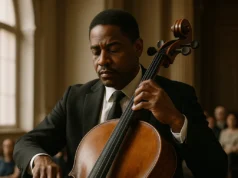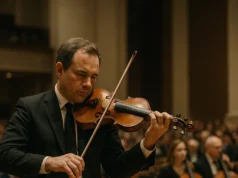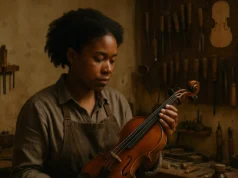


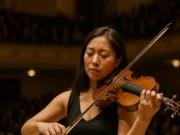
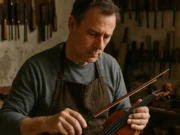
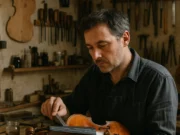
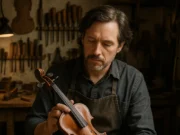
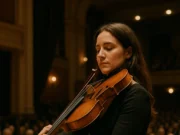
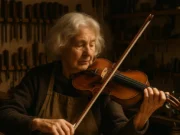
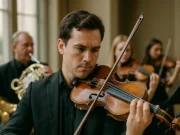
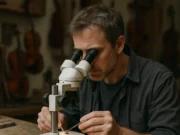

The discovery and renewed attention to violins crafted during the Holocaust era have stirred complex emotions and reflections in Minnesota’s classical music and cultural communities. These instruments, survivors of one of history’s darkest chapters, embody a narrative of perseverance and loss intertwined with artistic heritage.
Holocaust-era violins carry deep symbolic weight. Beyond their physical presence as finely crafted instruments, they represent voices silenced, communities shattered, and the enduring spirit of musicians who faced unimaginable adversity. Their reappearance in Minnesota prompts not only appreciation for their historical significance but also a critical examination of current societal patterns that may echo past injustices.
Classical music, with its rich tradition and global reach, often serves as a medium for remembrance and education. The use, restoration, and public exhibition of these violins can foster dialogue about the cultural losses arising from systemic oppression. Moreover, they remind musicians, educators, and audiences alike of music’s role in both resistance and healing.
In Minnesota, these violins have inspired reflection on local histories of immigration, social justice, and cultural preservation. Institutions and communities are encouraged to consider how the preservation of such artifacts aligns with broader efforts to maintain diverse cultural legacies and to combat intolerance in present times.
Looking ahead, stewardship of Holocaust-era violins in Minnesota raises important questions about access, interpretation, and education. How will these instruments be integrated into musical life, exhibitions, or teaching? What responsibilities accompany the care of objects imbued with such profound historical trauma? Answers to these questions will shape how future generations engage with this poignant aspect of musical and human history.
Why this matters
- These violins serve as tangible connections to the cultural devastation of the Holocaust and highlight music’s resilience amid human tragedy.
- Musicians, educators, historians, and luthiers are directly impacted, as they become custodians and interpreters of these instruments’ stories.
- Their presence encourages contemporary dialogue on social justice, cultural memory, and the potential recurrence of intolerance.
- How these violins are preserved and presented could influence practices around historical instrument conservation and use within the classical music community.
- By engaging with these artifacts, institutions and audiences can deepen understanding of the intersections between music, history, and societal values.
— The Violin Post Editorial Staff