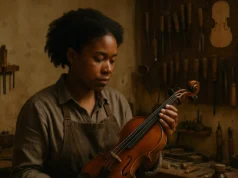






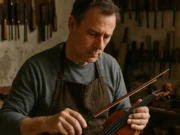
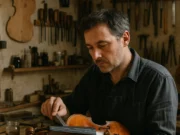

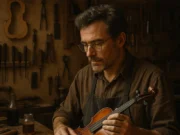
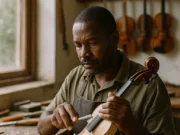

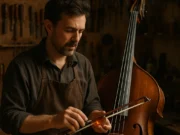













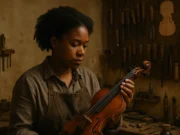

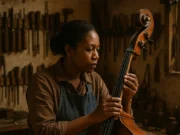




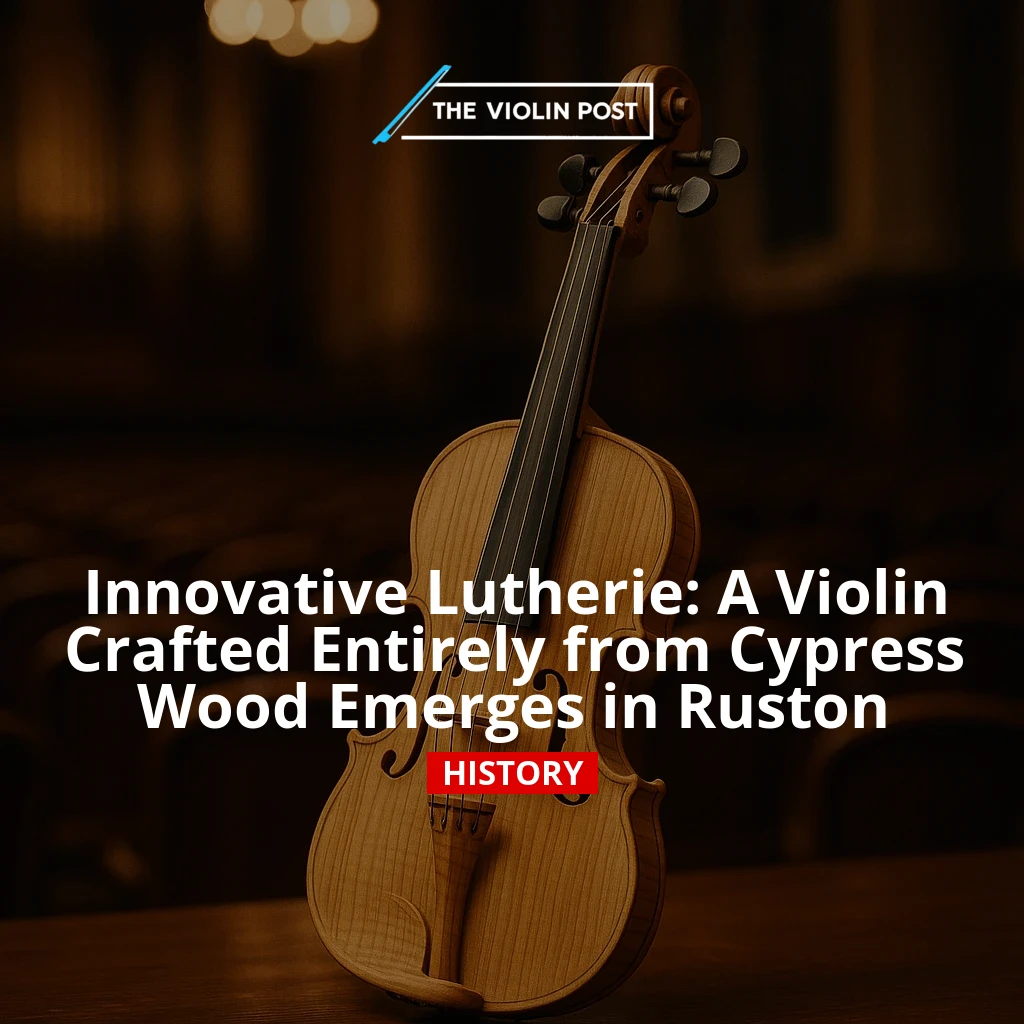
In a distinctive departure from traditional violin construction, a craftsman in Ruston has created a violin composed entirely of cypress wood. This unconventional choice of material distinguishes the instrument within the sphere of classical string instruments, where spruce and maple have historically been the standard woods for violin making.
The luthier’s work exemplifies an experimental approach that could expand the scope of materials considered viable for high-quality instrument production. Cypress wood, known for its durability and distinct grain, is rarely used in violin manufacture, which typically demands woods with specific acoustic properties shaped by centuries of tradition.
By developing a violin fully fashioned from cypress, the maker challenges the customary criteria for tonewood selection and opens a conversation about the role of alternative woods in the creation of classical instruments. This innovation highlights a willingness to explore new sonic possibilities and may encourage other luthiers to investigate atypical materials.
Material Choices and Acoustic Implications
Violin makers have long relied on fine-grained spruce for the top plate and hard maple for the back, ribs, and neck. These woods have proven to produce the complex tonal qualities valued in classical music. The use of cypress throughout the instrument could alter the instrument’s timbre, projection, and resonance, factors central to a violin’s performance.
The precise acoustic impact of an all-cypress violin remains to be rigorously evaluated, but such experimentation is integral to advancing the art and craft of lutherie. By examining the tonal characteristics and playability of this instrument, musicians and makers alike can gain insight into how wood varieties influence sound production.
Context Within Contemporary Lutherie
Modern instrument makers frequently balance respect for classical designs with innovation, seeking to meet evolving needs of players and to sustain the tradition amid material shortages or environmental concerns. Incorporation of less common woods also reflects ecological and economic factors prompting luthiers to diversify their materials.
This new cypress violin situates itself amid ongoing efforts to explore sustainable alternatives and broaden the palette of tonal resources available to musicians. Such ventures underscore the dynamic interplay between heritage and innovation that defines the classical music instrument landscape.
Why this matters
- This development highlights material experimentation in violin making, which could influence future instrument design and performance.
- It impacts luthiers seeking sustainable or innovative tonewoods, potentially broadening acceptable materials beyond traditional choices.
- Musicians may encounter new sound profiles that inspire fresh interpretive possibilities.
- Students and educators gain an example of how tradition and innovation coexist in the development of classical instruments.
- Collectors and institutions may observe shifts in valuation or interest related to instruments made from unconventional woods.
— The Violin Post Editorial Staff