
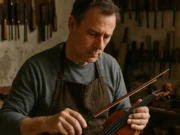
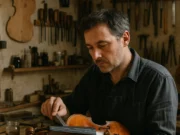
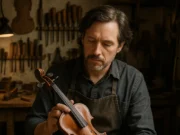
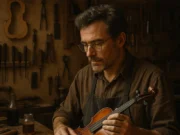
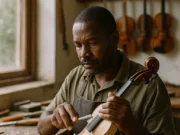
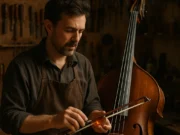
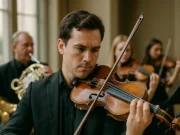
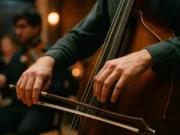
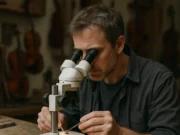
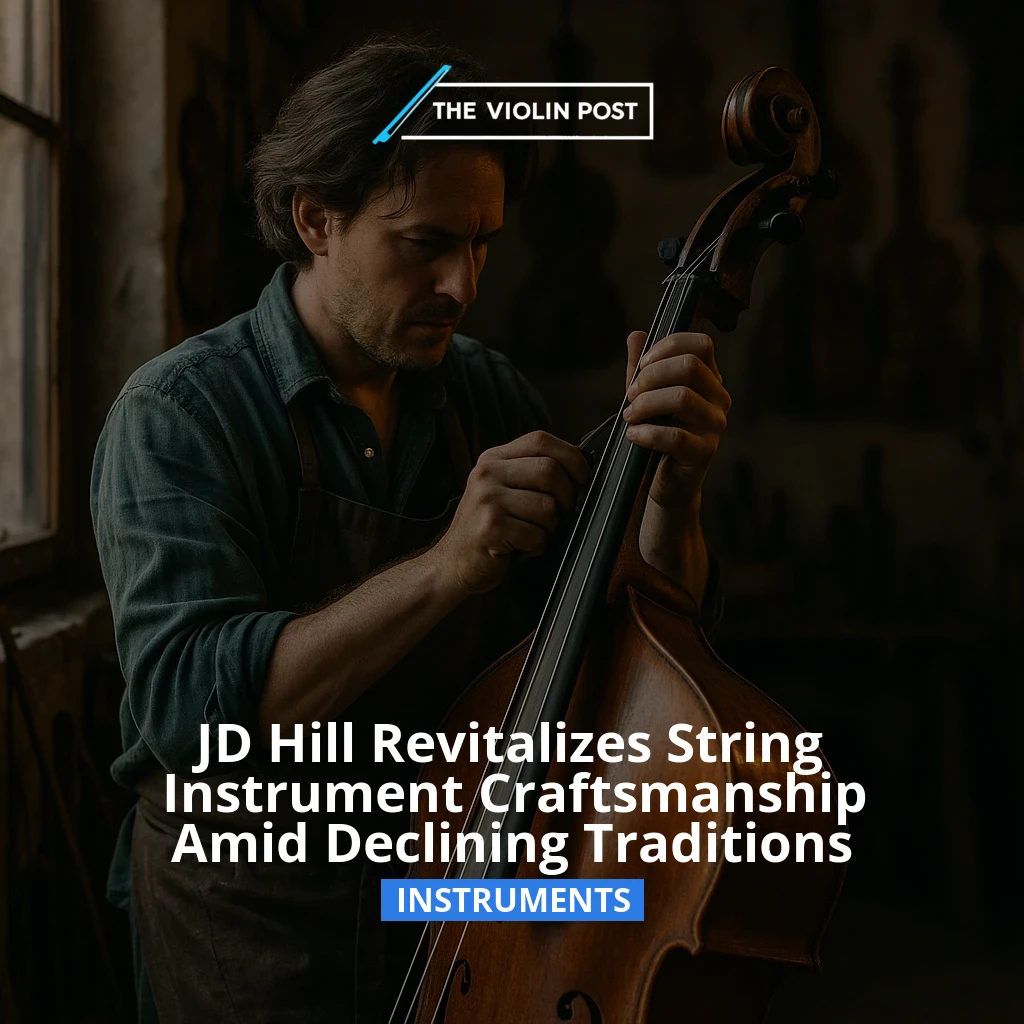
JD Hill has emerged as a significant figure in the preservation and restoration of string instruments, bringing renewed attention to a craft that faces challenges in today’s rapidly changing musical landscape.
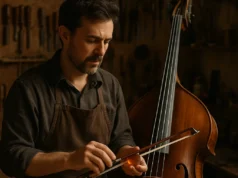
Through meticulous restoration work and a commitment to traditional lutherie techniques, Hill addresses the urgent need to revive fine string instrument craftsmanship. This revival comes at a time when many historic instruments risk deterioration, and where new instruments are often mass-produced rather than handcrafted.
The decline in artisans skilled in violin making and restoration has serious implications for musicians and institutions reliant on quality instruments. Hill’s efforts ensure that valuable instruments continue to be playable and that the nuanced sound quality they provide remains accessible to professional and amateur musicians alike.
Hill’s work contributes to sustaining a heritage directly connected to the history of classical music performance. By maintaining the structural and acoustic integrity of violins, violas, cellos, and double basses, restorers like Hill keep alive the voices of past masters and the richness of traditional sound.
Moreover, this craft influences more than just the instruments themselves. It impacts orchestras, soloists, students, collectors, and music educators who depend on access to quality instruments and expert advice about their care and provenance.
Why this matters
- This news highlights the importance of sustaining artisanal skills essential to classical music’s heritage and performance quality.
- It affects a broad spectrum of stakeholders: musicians seeking fine instruments, luthiers aiming to pass on their craft, collectors valuing historical integrity, and institutions that rely on authentic sound.
- Preservation of these skills may encourage renewed interest and investment in traditional instrument making and restoration programs.
- Attention to craftsmanship can lead to enhanced quality and longevity of string instruments, impacting sound standards and the cultural transmission of musical artistry.
- Observing such work invites reflection on how modern classical music balances technological advances with historic practices.
— The Violin Post Editorial Staff