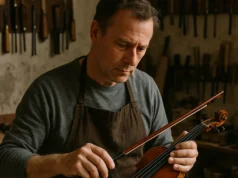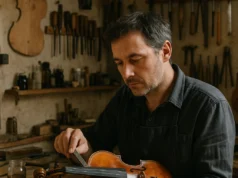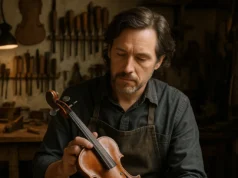


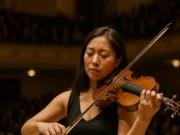
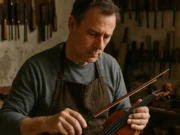
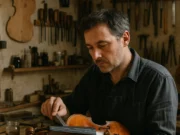
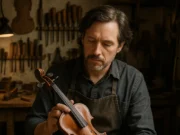
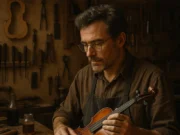
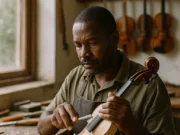
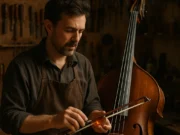


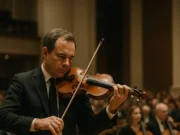
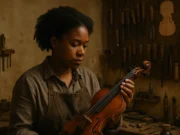
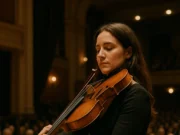
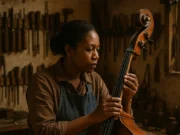

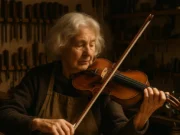
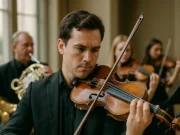
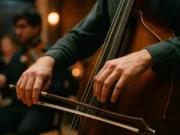
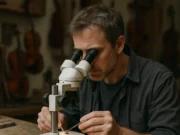
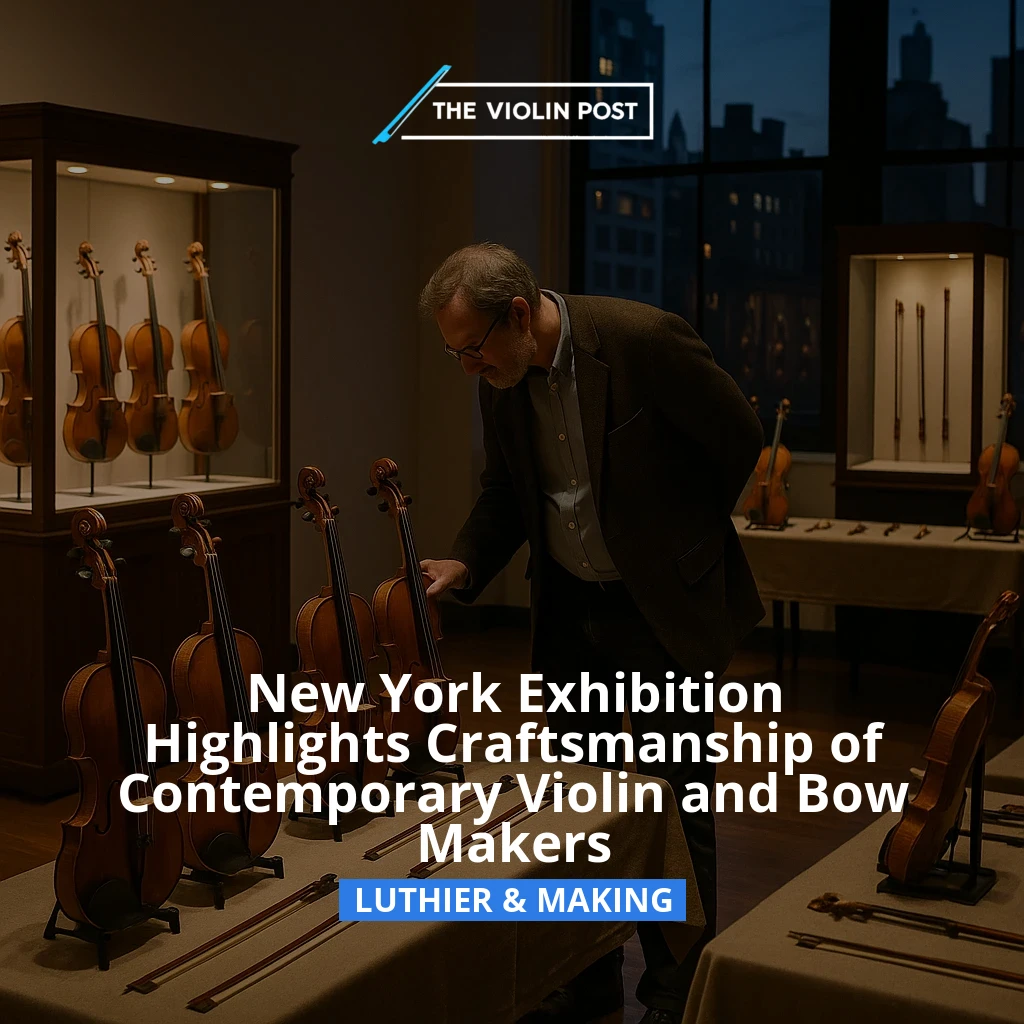
Violin and bow making remain vital crafts within the classical music world, blending tradition with innovation. In New York, an exhibition dedicated to contemporary makers convened a diverse group of artisans who build and refine these essential instruments. This event offered visitors an uncommon opportunity to explore the intricate process and aesthetic considerations driving today’s luthiers and bow makers.
The exhibition featured a curated selection of works from a range of contemporary craftsmen, highlighting both the technical skill and creative vision involved. Visitors could observe the meticulous handwork, wood selection, varnishing techniques, and the subtle balancing acts required to produce instruments of exceptional tone and playability. The event underscored how these makers build upon centuries-old traditions while incorporating modern insights and materials into their work.
The significance of such exhibitions extends beyond mere display. They foster connections between makers, performers, collectors, and educators, strengthening a network essential to the ongoing vitality of string instrument craftsmanship. For musicians, access to contemporary instruments can influence their sound palette and artistic expression. For collectors and institutions, these works represent both cultural heritage and living art forms deserving support and preservation.
As the classical music landscape continues to evolve, the role of contemporary violin and bow makers remains crucial. Exhibitions like this not only celebrate the artisanal craft but also stimulate dialogue about instrument innovation and preservation. They encourage emerging makers to sustain high standards while exploring new possibilities in design and acoustics.
Why this matters
- This exhibition spotlights the enduring relevance of violin and bow making as living crafts in the 21st century.
- It provides musicians, luthiers, and collectors with insight into contemporary techniques and artistic approaches.
- The event fosters collaboration and knowledge exchange within the classical music ecosystem.
- It supports the visibility and commercial sustainability of modern makers, contributing to cultural preservation.
- Attendees and observers can anticipate evolving instrument designs and sound qualities influenced by these contemporary artisans.
— The Violin Post Editorial Staff