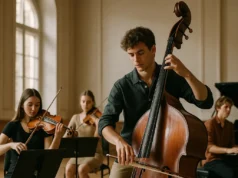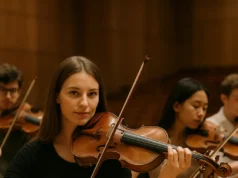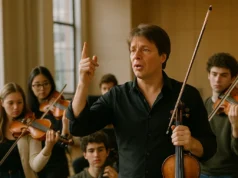

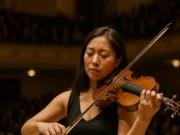
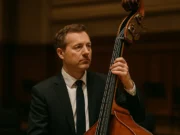
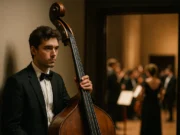
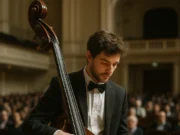

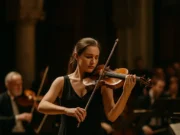
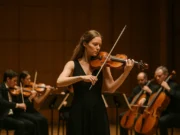
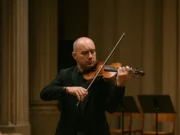
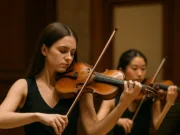
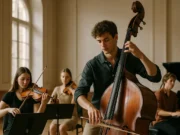
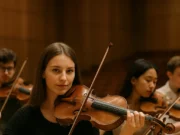
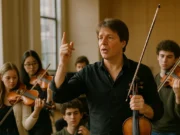
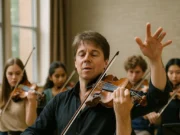

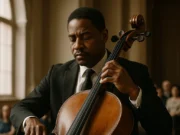
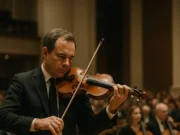
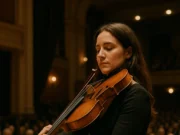
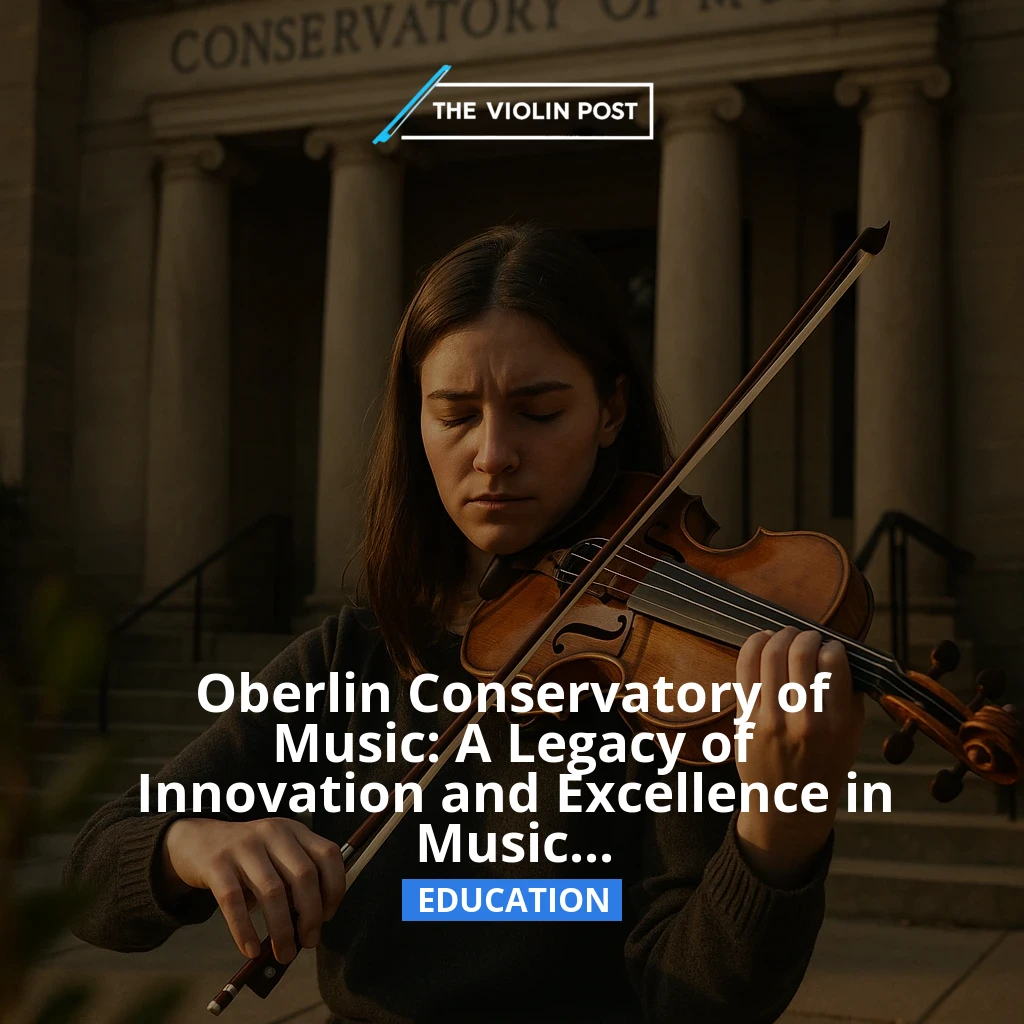
Oberlin Conservatory of Music stands as one of the foremost institutions dedicated to the advancement of classical music education in the United States. Founded in 1865, it carries a tradition that intertwines rigorous musical training with a broad liberal arts education, fostering versatile musicians and leaders in the arts.
The Conservatory’s curriculum spans an impressive range of disciplines, including performance, composition, historical and contemporary musicology, and innovative cross-genre collaborations. This comprehensive approach prepares students not only as skilled performers but also as creative thinkers and educators who are well equipped to navigate the evolving demands of the musical profession.
Among its distinctive features is the integration of conservatory and college studies, enabling students to pursue dual degrees. This unique structure nurtures intellectual breadth alongside artistic depth, creating musicians who are conversant both on stage and in wider cultural conversations.
Oberlin’s commitment to artistic innovation is complemented by its dedication to social engagement. Students and faculty actively contribute to community music-making, outreach programs, and initiatives that address the cultural and educational dimensions of music. Such involvement enriches the Conservatory’s environment and extends its impact beyond campus boundaries.
Furthermore, Oberlin maintains a tradition of excellence through world-class faculty, a broad spectrum of performance opportunities, and resources that include historical instrument collections and specialized research facilities. These elements combine to create an environment that supports both emerging and established musicians in their artistic journeys.
Looking ahead, Oberlin Conservatory continues to adapt and evolve its programs, fostering an environment where innovation meets tradition. As classical music faces new challenges and opportunities in the 21st century, Oberlin’s role in shaping future musicians remains pivotal.
Why this matters
- Oberlin Conservatory influences contemporary classical music through training musicians with both technical mastery and broad intellectual perspectives.
- Its dual-degree model impacts students seeking comprehensive educational experiences that blend music with liberal arts, shaping versatile careers.
- The Conservatory’s emphasis on social engagement ensures that music education remains connected to community and cultural relevance.
- Oberlin’s resources and faculty development serve as a model for other institutions aiming to balance tradition with innovation.
- As the classical music landscape changes, Oberlin’s adaptive approach could shape emerging trends in education, performance, and audience engagement.
— The Violin Post Editorial Staff