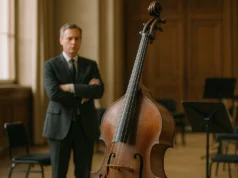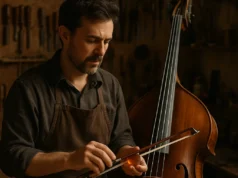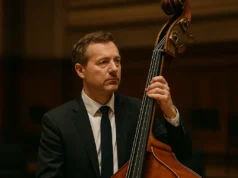


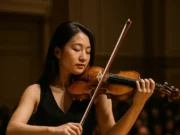



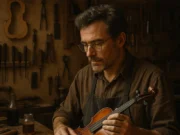
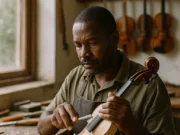
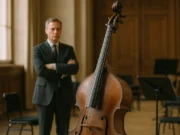
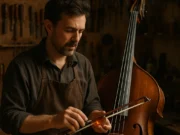
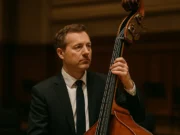
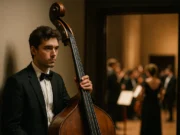


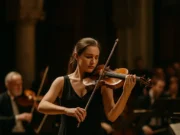
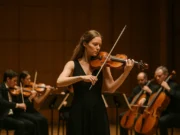
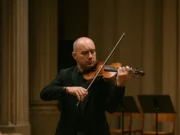
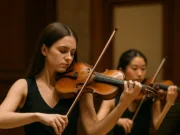
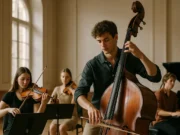



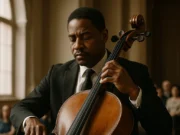
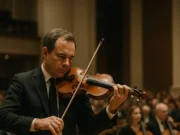
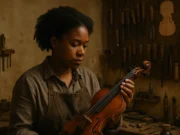
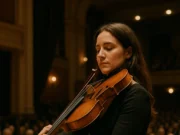
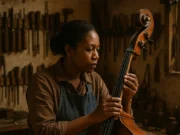

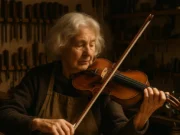
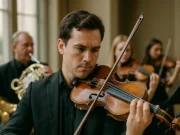
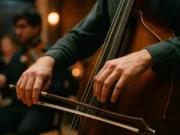

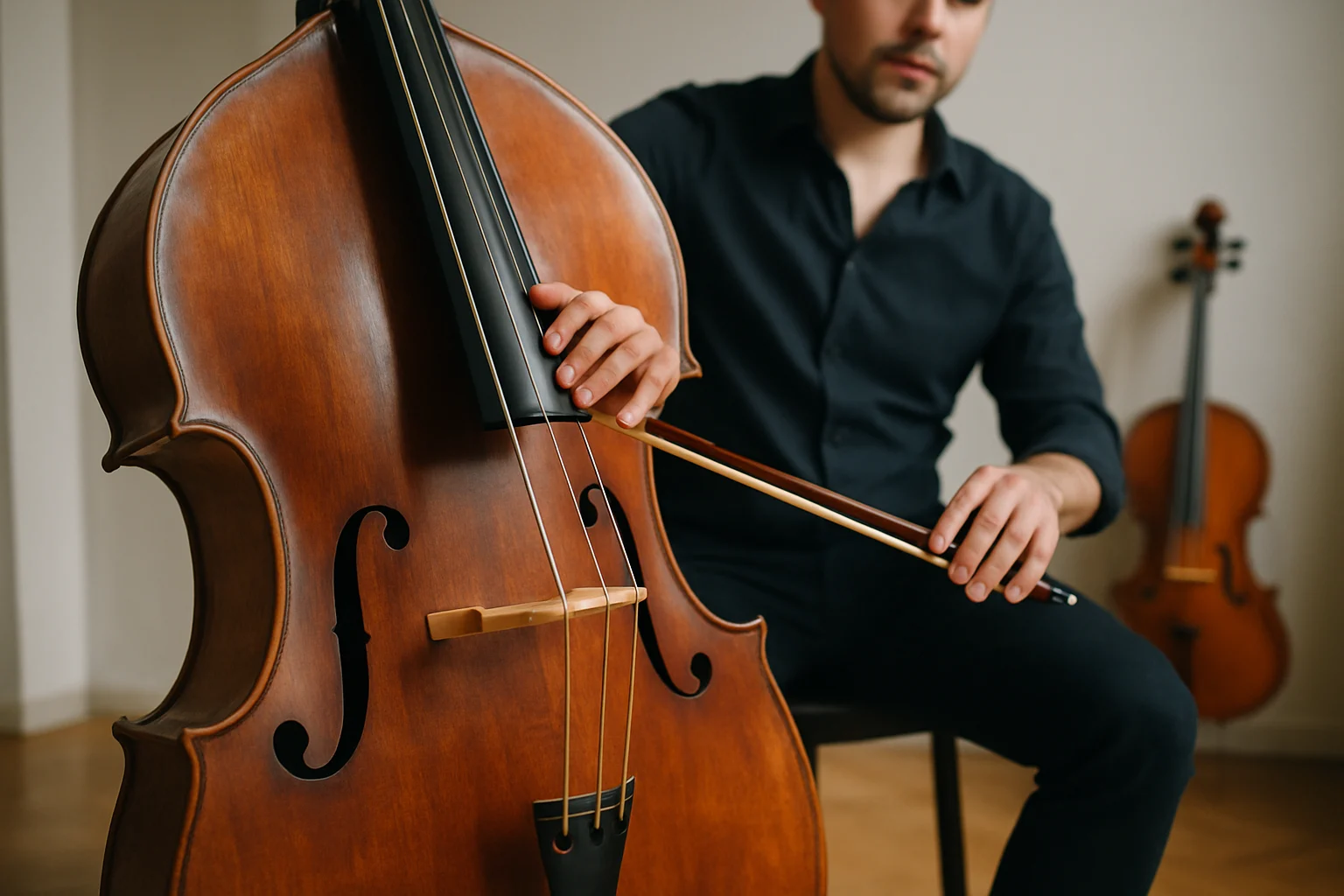
The violin family, comprising the violin, viola, cello, and double bass, represents a core group of stringed instruments essential to Western classical music. Each instrument serves a distinct tonal and functional role, together forming the backbone of many orchestral and chamber ensembles.
Overview of the Violin Family in Stringed Instruments – Instruments
Originating in the Renaissance and Baroque periods, these instruments have undergone significant evolution in design and construction to meet the expressive demands of composers and performers. Their shared characteristics, including the use of a bow and a fingerboard, as well as their tuning systems, allow for a cohesive blend of timbres across registers.
This topic is relevant to professional string players, educators, students, luthiers, and scholars interested in performance practice and instrument history. Understanding the violin family’s construction, repertoire, and role enhances interpretative insights and informs pedagogical approaches.
Within the classical music ecosystem, the violin family serves as a primary medium for melodic and harmonic expression. Its influence extends beyond orchestral playing, encompassing solo repertoire, chamber music, and crossover genres. The instruments’ versatility and technical capabilities continue to inspire composers and performers worldwide.
Overall, studying the violin family offers valuable perspectives on instrumental technique, ensemble interaction, and the historical development of stringed instruments, contributing to a broader appreciation of classical music traditions.
— The Violin Post Editorial Staff