
“A Cultural History of the Violin in Nineteenth-Century London: From Instrument to Art” offers a detailed exploration of the violin’s status and symbolic meaning in London throughout the 19th century. The book examines how the violin evolved from a mere musical instrument to an object of artistic and cultural significance within the city’s vibrant musical scene.
Review: ‘A Cultural History of the Violin in Nineteenth-Century London: From Instrument to Art’ – History
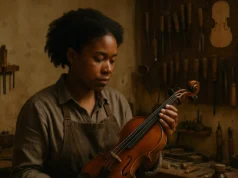
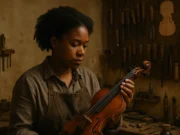
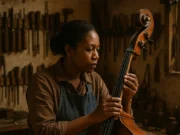
This work situates the violin within the broader social, economic, and artistic contexts of Victorian London, tracing developments in instrument making, performance practice, and public perception. It sheds light on the roles played by performers, instrument makers, music patrons, and critics in shaping the violin’s elevated status during this period.
The subject is particularly relevant for musicians, historians, and scholars interested in historical performance practice, instrument craftsmanship, and the cultural history of music. Understanding the violin’s past helps contemporary performers and educators appreciate the instrument’s evolving identity and informs interpretative choices.
Within the classical music ecosystem, historical studies such as this contribute to a nuanced understanding of musical instruments not simply as tools but as cultural artifacts that interact with social trends and artistic movements. Competitions, education, and performance today benefit from this heritage, as knowledge of historical contexts enriches the interpretative framework within which musicians operate.
Published reviews of the book acknowledge its thorough research and contribution to musicological scholarship. As the role of historical inquiry continues to expand in classical music studies, this work provides a significant case study of one instrument’s journey from functional apparatus to revered art object in a major cultural center.
The exploration of London’s 19th-century violin culture serves as a reminder of how musical instruments carry with them narratives that extend beyond sound, encompassing craftsmanship, societal values, and artistic trends. For the classical music community, such scholarship deepens the collective understanding of the violin’s multifaceted heritage.
— The Violin Post Editorial Staff