
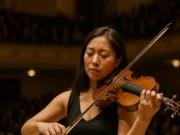





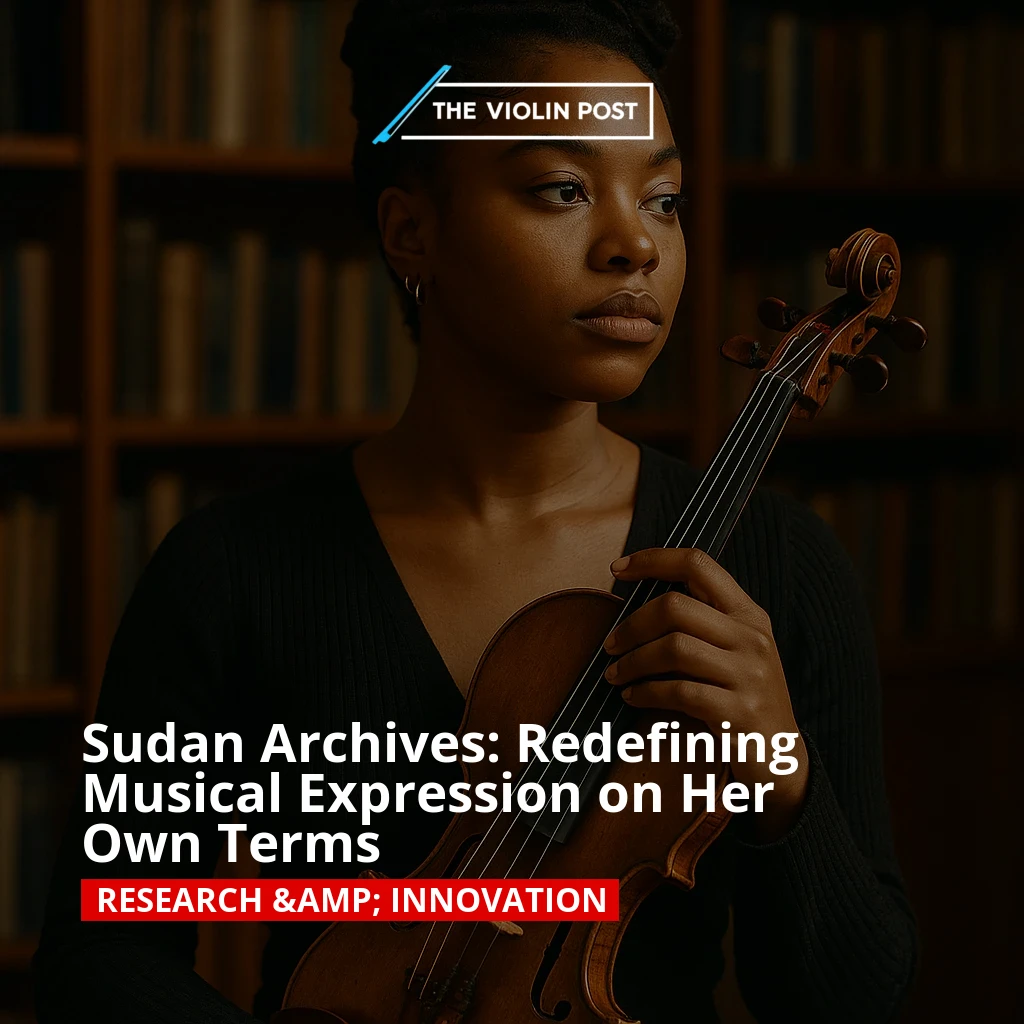
Sudan Archives, a violinist and singer known for her boundary-pushing fusion of classical instrumentation with electronic and R&B influences, is steadily attracting attention for her distinctive approach to music. Rather than adhering to traditional tempos or genres, she crafts compositions that flow organically, reflecting personal rhythms and experimental textures.
Emerging from a scene where classical violinists often follow strict stylistic conventions, Sudan Archives rejects such limitations. Her music synthesizes elements from diverse cultural backgrounds, including African rhythms and electronic beats, layered with her energetic and emotive violin work. This hybrid style marks a departure from orthodox violin performance, showcasing the instrument’s versatility beyond classical contexts.
Her artistry challenges prevailing notions of tempo and structure, opting instead for fluid pacing that mirrors natural movement rather than metronomic precision. This approach invites listeners to engage with the music on a more intuitive level, creating an immersive experience that prioritizes emotional resonance over technical rigidity.
Sudan Archives’s work exemplifies a broader contemporary trend in classical and world music intersections, where artists reimagine traditional instruments to forge fresh sonic identities. By integrating violin techniques with modern production, she expands the audience for string music and inspires both emerging musicians and composers to explore cross-genre experimentation.
The significance of Sudan Archives’s trajectory lies not only in her innovative sound but also in her role as an artist who navigates and redefines the possibilities of classical instrumentation within modern music landscapes. Her success highlights evolving cultural dialogues about identity, genre, and the dynamic nature of musical tradition.
Why this matters
- Sudan Archives’s work repositions the violin beyond classical confines, influencing how musicians approach the instrument today.
- Her blending of styles impacts composers, luthiers, and educators interested in expanding musical boundaries and repertoire.
- Listeners are exposed to new forms of musical expression that challenge conventional tempo and genre expectations.
- This development encourages orchestras and institutions to rethink programming and embrace cross-genre collaborations.
- Watching Sudan Archives’s evolving career offers insights into the future intersections of classical technique and contemporary music culture.
— The Violin Post Editorial Staff