
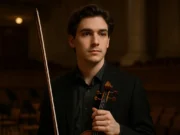
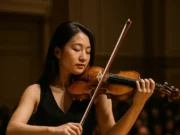
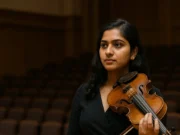
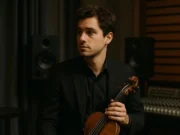
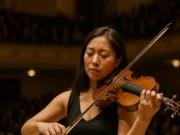
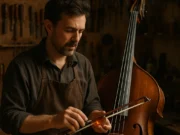
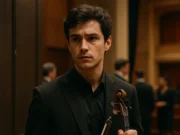
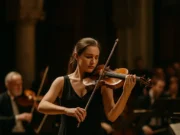
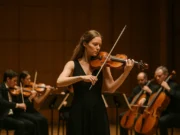
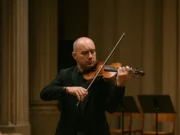
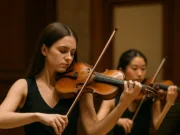
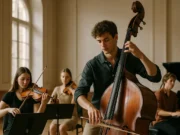
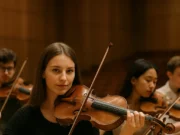
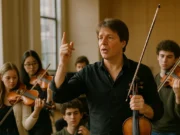
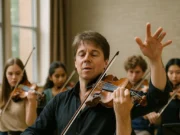
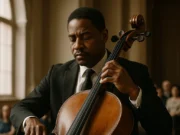
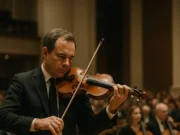
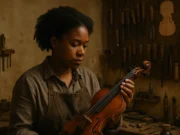
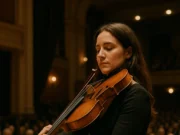
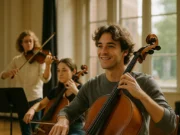
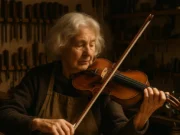
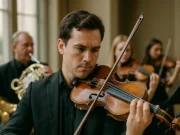
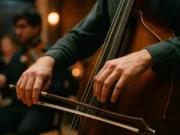

The Oasis Senior Center recently welcomed a visiting violin ensemble whose performance offered a fresh and engaging interpretation of winter holiday music. Known for their ability to blend technical skill with approachable programming, the ensemble curated a lighthearted program honoring a diverse mix of holiday traditions.
Founded to foster community engagement through chamber music, the ensemble has built a repertoire that balances classical works with culturally inclusive pieces. Their recent appearance at the Oasis Senior Center—a vital hub for the community’s older adults—highlighted a repertoire designed to evoke both joy and reflection, tailored to the rich cultural fabric of the audience.
During the event, the musicians skillfully navigated a selection of melodies that encompassed well-known winter tunes alongside less familiar pieces rooted in various holiday traditions celebrated at this time of year. This inclusive approach to programming underscores a growing trend in classical music circles toward honoring diverse cultural expressions and expanding beyond conventional canon.
Attendees responded warmly, with many expressing appreciation for the ensemble’s thoughtful consideration of cultural pluralism in their musical choices. Such performances serve not only to entertain but also to foster a sense of community among diverse groups, especially in settings like the Oasis Senior Center, which serves a demographic that spans multiple generations and backgrounds.
From the ensemble’s perspective, events like this represent an opportunity to reaffirm classical music’s relevance while embracing inclusivity. The group plans to continue programming concerts that celebrate cultural variety, aiming to perform at venues that serve underrepresented or diverse audiences.
Why this matters
- This event exemplifies classical music’s potential to embrace and celebrate multicultural holiday traditions, broadening its appeal and social relevance.
- It impacts senior community members and local audiences by providing culturally resonant programming in accessible venues.
- For musicians and ensembles, it models thoughtful, inclusive programming that respects and reflects audience diversity.
- Such performances can inspire other cultural institutions to rethink traditional programming, promoting broader inclusion in classical music events.
- Looking ahead, this approach may foster community connections and encourage younger generations to engage with classical music through a lens of cultural inclusivity.
— The Violin Post Editorial Staff