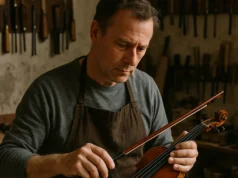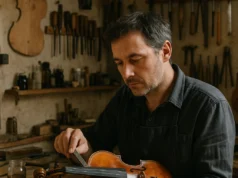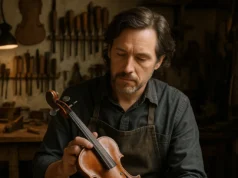






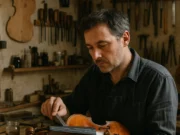
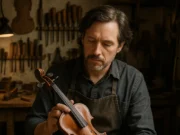
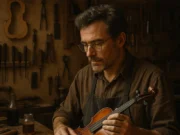
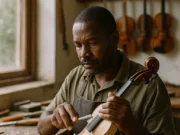







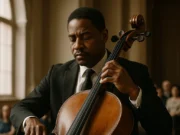
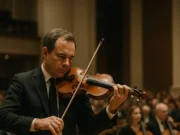
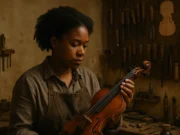

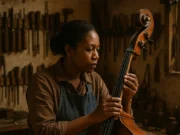


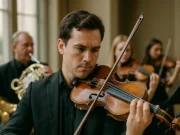
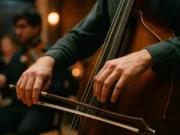
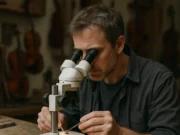
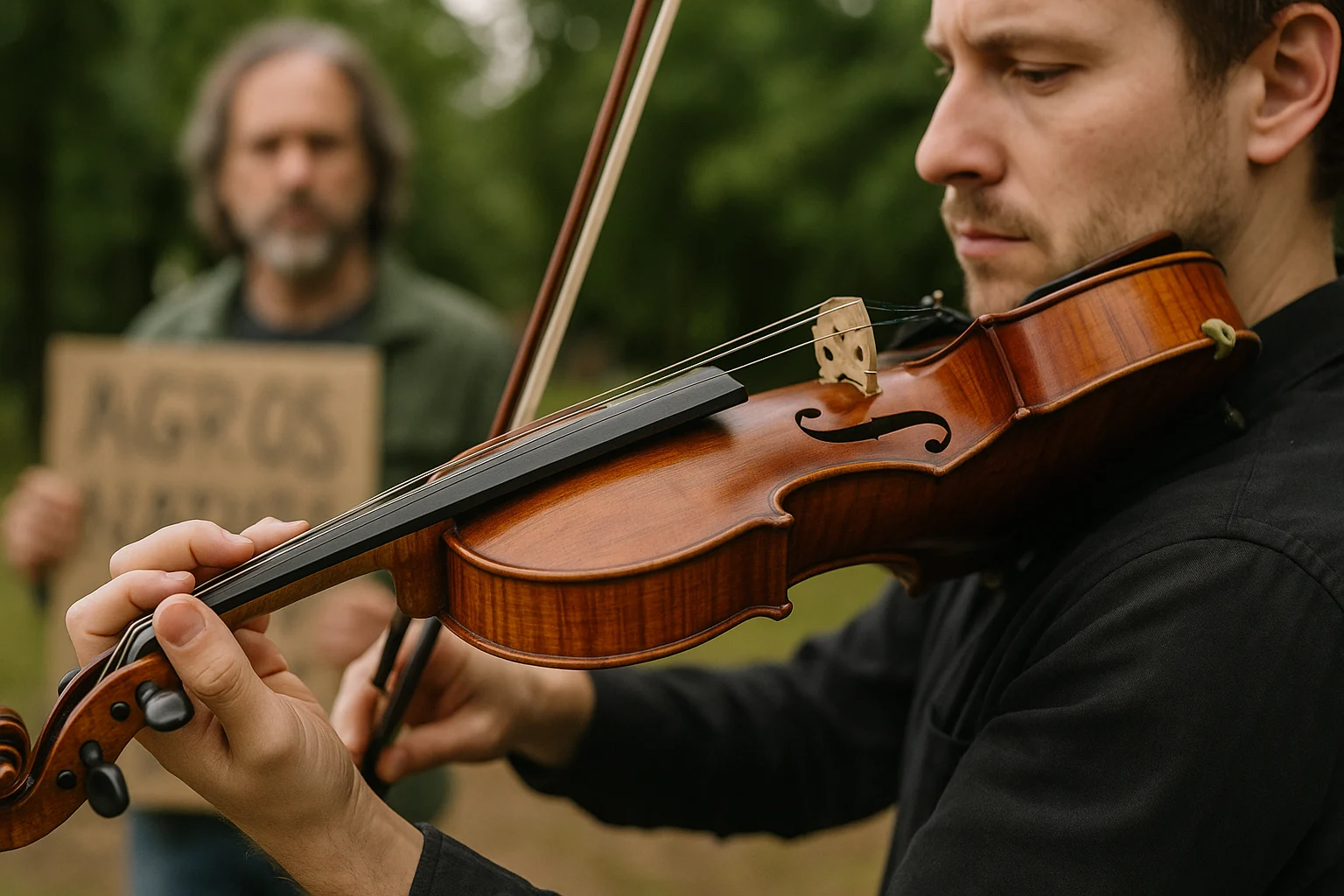
Within the closely intertwined worlds of classical music and lutherie, a contentious debate has arisen surrounding the use of a rare type of wood traditionally favored in violin making. For centuries, specific woods have been integral to crafting instruments revered for their sound quality and aesthetic appeal. Yet, as environmental awareness intensifies, sourcing these rare woods has drawn scrutiny, igniting tensions between musicians, makers, and environmentalists.
Violinists and luthiers value the particular wood for its unique density and resonance characteristics, which contribute significantly to the instrument’s tonal palette. However, this coveted material comes from a tree species now classified as rare and protected due to habitat loss and overharvesting. Conservationists argue that continued demand puts significant pressure on fragile ecosystems, calling for stricter regulations or outright bans on its commercial use.
The clash highlights a broader dilemma: how to balance artistic tradition with ecological responsibility. Instrument makers emphasize that sourcing practices have become more sustainable, often involving certified suppliers and careful forest management. Meanwhile, environmental groups maintain that the rarity of the wood necessitates exploring alternative materials, advocating for innovation that does not compromise biodiversity.
Notably, this debate has polarised stakeholders. Leading violinists, who often perform on instruments made from such wood, express concerns about potential restrictions limiting access to quality instruments essential for their artistry. At the same time, some musicians have begun to endorse the use of modern, eco-friendly materials, recognizing the imperative for conservation. The lutherie community faces the challenge of preserving centuries-old craftsmanship while adapting to contemporary ecological standards.
Looking ahead, resolving this conflict will require collaborative efforts among musicians, makers, environmentalists, and regulatory bodies. The industry may see increased investment in sustainable forestry initiatives and research into alternative tonewoods that can meet artistic demands without environmental cost. Moreover, educational outreach can foster greater awareness among musicians and consumers regarding the origins and impacts of materials in instrument construction.
Why this matters
- This issue underscores the tension between cultural heritage and environmental sustainability in classical music instrument making.
- It directly affects violinists, luthiers, conservationists, and suppliers involved in the production and use of fine string instruments.
- Potential shifts in material sourcing could transform lutherie practices and influence the acoustic qualities of future instruments.
- Developing sustainable alternatives may inspire innovation and new standards within the field.
- Monitoring the outcomes of this dispute will shed light on how the classical music world negotiates ecological responsibility amid artistic tradition.
— The Violin Post Editorial Staff