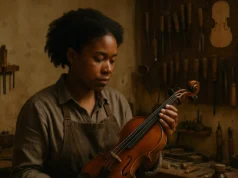


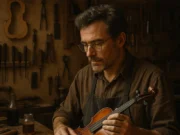
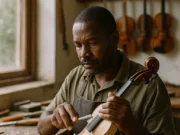
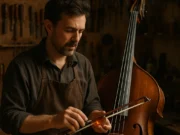
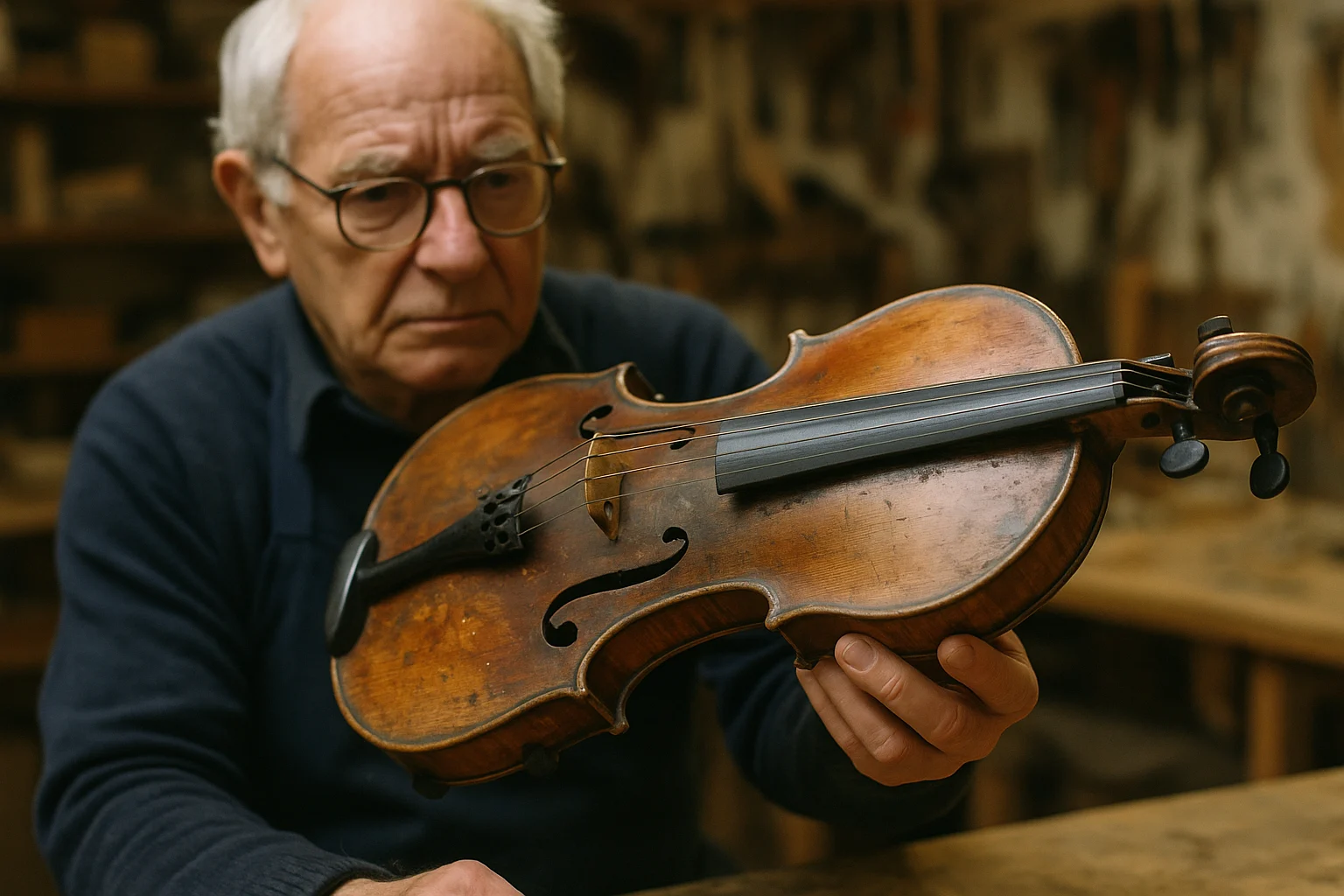
The Repair Shop, a program known for responsibly restoring historical musical instruments, recently highlighted a violin dating back to World War II that carries a sorrowful provenance and presents significant challenges for restoration.
World War II Violin with Troubling History Raises Restoration Concerns at The Repair Shop – History
The instrument’s complex background includes associations that evoke the difficult historical context of the Second World War. Experts expressed apprehension about how best to preserve the violin’s physical integrity and historical significance while undertaking any necessary repairs. The ‘sad history’ referenced pertains to the instrument’s connection to that era, a factor that calls for a sensitive and informed approach to restoration.
This news holds particular relevance for musicians, students, and professionals engaged in the fields of classical string instruments, conservation, and performance practice. It underscores the importance of approaching historic instruments not only as tools for music-making but also as cultural artifacts carrying narratives beyond their physical form.
Within the broader classical music ecosystem, the care and restoration of instruments with notable histories are vital for preserving cultural heritage and enabling future generations to connect with these objects in both musical and educational contexts. Instruments that originate from periods of conflict often require specialized knowledge about materials, historical usage, and ethical considerations in intervention decisions.
The challenges faced in restoring this World War II violin exemplify the careful balance needed between preservation and usability. While restoration aims to return instruments to playable condition, it must also respect their historical context and the stories embedded within them.
As such, initiatives like The Repair Shop play an essential role by combining craftsmanship with historical awareness, fostering a dialogue between music, history, and conservation. This case serves as a reminder of the multiple roles that musical instruments occupy—as artistic tools and as witnesses to history.
— The Violin Post Editorial Staff