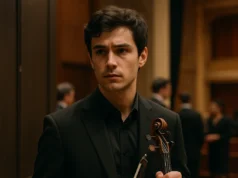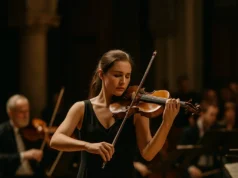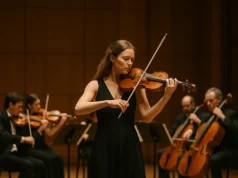

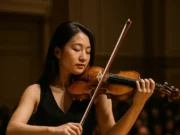
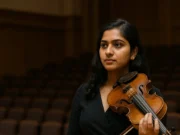
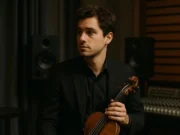
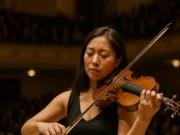
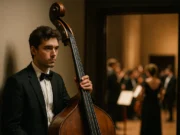
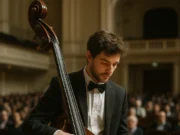
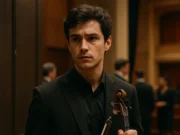
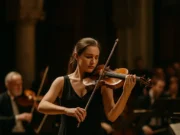
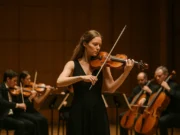
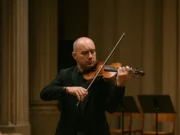
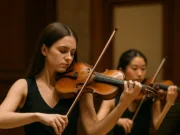
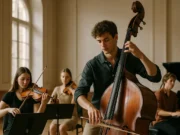
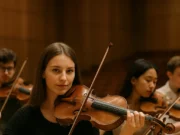
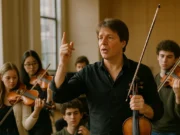
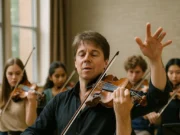
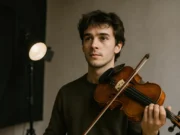
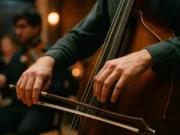


Established in 1963, Concerto Budapest has earned a reputation for dynamic programming and commitment to nurturing musical excellence. The orchestra’s latest initiative, the Violin Festival, marks a significant addition to its artistic offerings and reflects its dedication to fostering dialogue between generations of violinists.
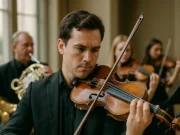
The Violin Festival centers around a curated series of concerts, masterclasses, and collaborative projects, highlighting both emerging talents and established performers within the violin world. This event aims to explore the instrument’s diverse repertoire, ranging from classical mainstays to contemporary compositions, thereby underscoring the violin’s evolving role in modern concert life.
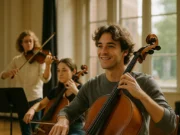
Through live performances and educational sessions, the festival offers unique opportunities for young violinists to engage with seasoned professionals. This interaction is designed to inspire artistic growth, promote technical excellence, and provide mentorship, which has become increasingly integral to career development in classical music.
Feedback from participants and audiences indicates the festival’s immediate impact within the community. Attendees appreciate the blend of performance and pedagogy, noting how such formats encourage a deeper appreciation of the violin’s expressive capabilities. Critics have also lauded the orchestra’s initiative for broadening access to high-caliber violin artistry in a festival setting that balances tradition and innovation.
Looking ahead, Concerto Budapest’s Violin Festival is poised to become a recurring event, contributing to the orchestra’s mission of cultural enrichment and education. Its model could inspire similar programs internationally, enhancing collaborative networks among violinists, educators, and ensembles. The festival’s success may also encourage composers and arrangers to contribute new works, expanding the violin repertoire further.
Why this matters
- The festival addresses contemporary needs for mentorship and professional development among violinists, crucial in today’s classical music landscape.
- Musicians—especially students and emerging artists—gain valuable performance experience and expert guidance, strengthening their artistic identities.
- Institutions and orchestras can look to this model when devising educational outreach programs that bridge performance and pedagogy.
- The event enriches audiences by presenting varied violin repertoire, promoting an understanding of both historical and contemporary works.
- Long term, such festivals contribute to sustaining the classical tradition while fostering innovation, ensuring vibrancy in the violin community globally.
— The Violin Post Editorial Staff