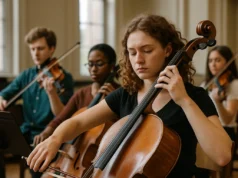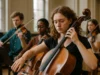

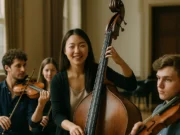
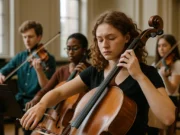
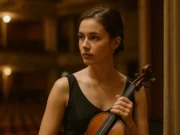
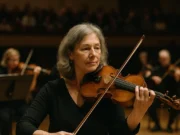
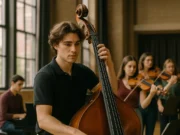
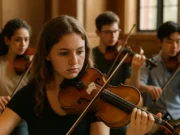
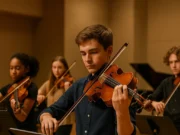
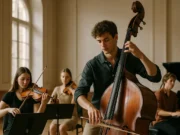
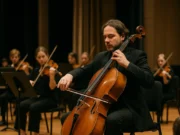
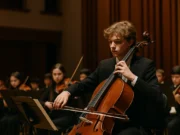
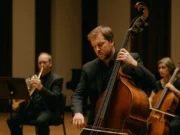
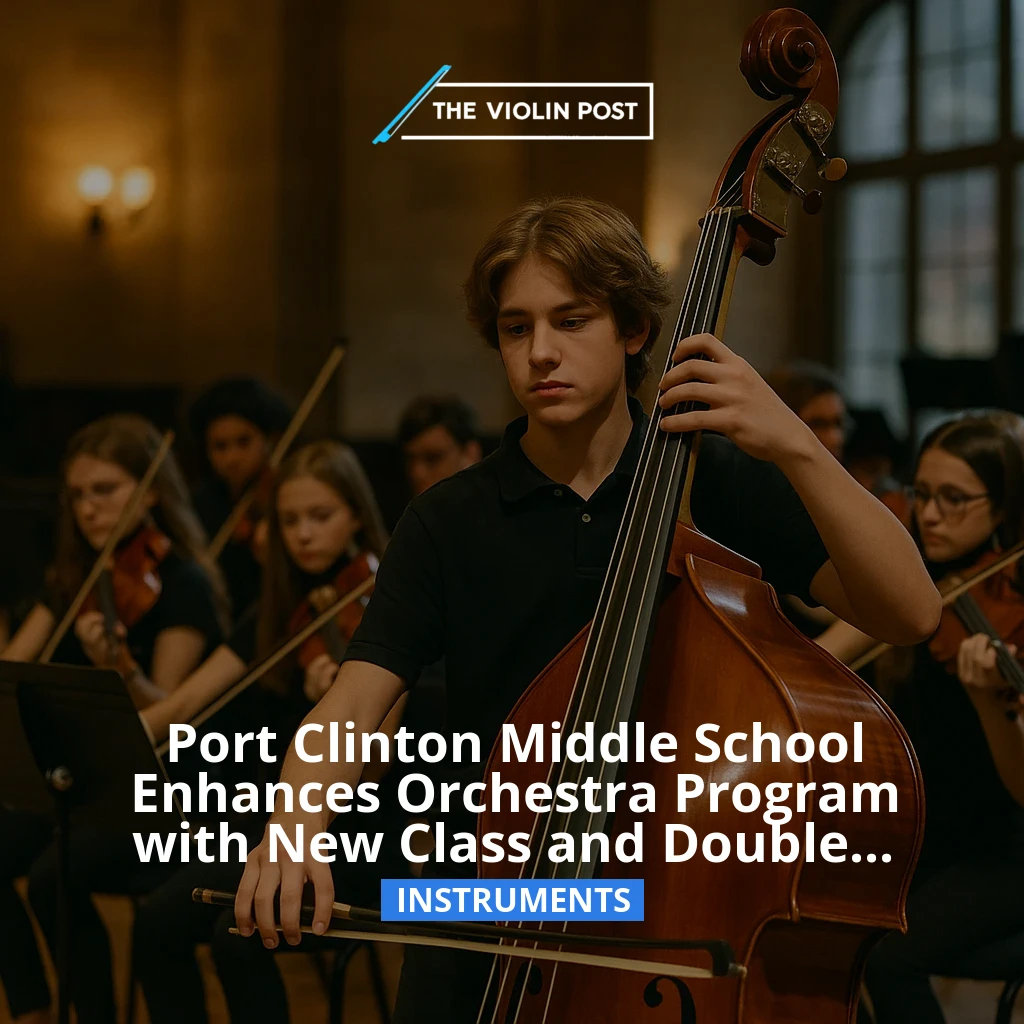
At Port Clinton Middle School, the orchestra program—already a favorite among students—has recently seen significant enhancements. The school has introduced a new orchestra class to its curriculum and incorporated the double bass into its ensemble. This development not only broadens the range of instruments students can experience but also deepens the musical complexity and educational value of the program.
Building a Comprehensive Music Curriculum
Expanding music education offerings at the middle school level plays a critical role in shaping young musicians’ skills and interests. The addition of a dedicated orchestra class at Port Clinton Middle School creates a structured, focused environment where students can engage regularly with string instruments, orchestral repertoire, and collaborative performance. This move reflects an understanding that fostering early orchestral experiences helps lay the foundation for future musical pursuits—whether in advanced school ensembles, private lessons, or even careers in music.
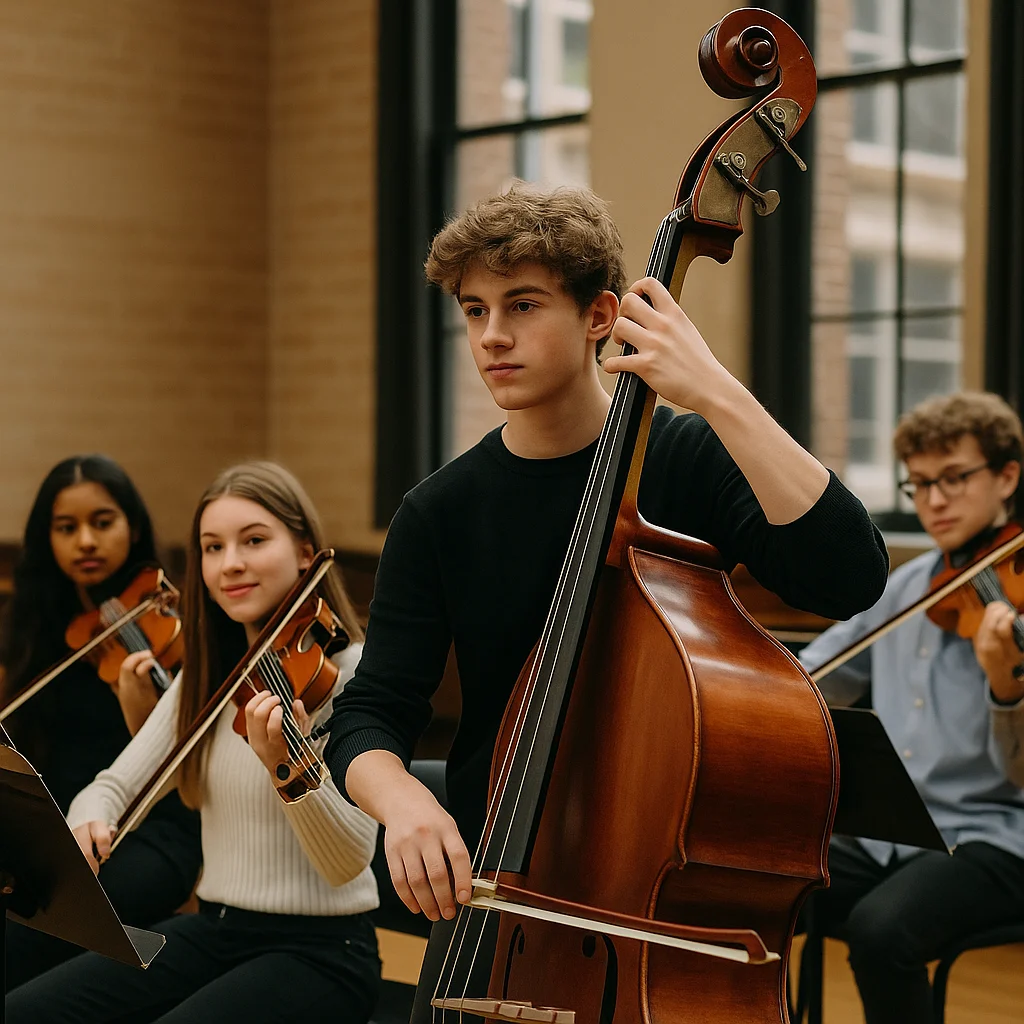
Orchestras often serve as an effective platform for teaching discipline, teamwork, and musicianship. The structured class format ensures consistent instruction and rehearsal time, allowing students to develop technical proficiency and ensemble awareness within a supportive peer group. For many middle school musicians, this is the stage where abstract musical concepts begin to take shape through practice and performance.
Introducing the Double Bass: Expanding Sonic Horizons
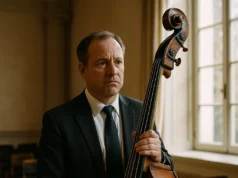
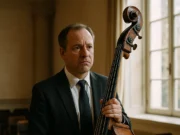
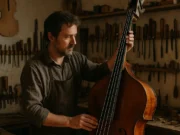
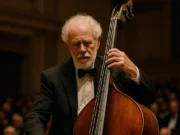
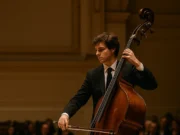
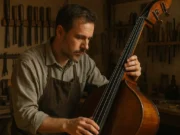
The inclusion of the double bass is particularly noteworthy. Frequently underrepresented in school orchestras at this level, the double bass provides foundational support in orchestral music through its rich, low register. Introducing this instrument to the middle school program not only diversifies the ensemble’s sonic palette but also offers students exposure to an instrument that requires distinct technique and physical engagement.
For students, learning the double bass opens new avenues of expression and can be especially appealing to those interested in the larger-scale orchestral sound or jazz and contemporary genres where the instrument is prominent. For the school’s music educators, incorporating the double bass provides opportunities to teach varied bowing and fingering techniques, enhance sectional rehearsals, and tackle a broader orchestral repertoire.
Implications for Students and the Local Musical Ecosystem
This growth in Port Clinton Middle School’s orchestra program carries implications beyond the classroom. For student performers, these changes mean greater choice, enriched educational content, and improved preparation for high school and beyond. Those considering participation in county or regional youth orchestras will benefit from the added instrumental diversity and solidified ensemble skills.
Lutherie enthusiasts and instrument suppliers might also see a ripple effect, as demand for double basses and related accessories could rise in the region, highlighting the community’s musical vitality.
Moreover, expanding orchestral education contributes to sustaining local classical music culture. Early orchestral involvement often correlates with lifelong appreciation and support of classical music institutions, such as symphony orchestras and chamber groups, forming a vital link in the cultural ecosystem.
Looking Ahead
While there are no specifics announced regarding further expansions or additional instrument sections, the commitment demonstrated by Port Clinton Middle School serves as a beacon for other educational institutions. Continued investment in music education at formative ages is essential to nurture the next generation of musicians, audiences, and advocates for the arts.
As the school year progresses, the orchestra’s performances can be expected to reflect these enhancements, offering audiences richer harmonies and fuller textures that the double bass helps create. Educators, parents, and community supporters will likely watch closely for the impact these program changes have on student engagement and achievement.
Why this matters
- Introduces the double bass at the middle school level, enriching orchestral sound and educational scope.
- Provides structured orchestra instruction, enhancing student musicianship and ensemble experience.
- Supports early musical development, feeding into the broader classical music community and ecosystem.
- Affects students, educators, and local cultural institutions by promoting sustained engagement with orchestral music.
- Signals a community-driven commitment to comprehensive music education amid educational and budgetary challenges.
Related topics
- How early orchestral experiences shape long-term musician development
- The role of double bass in youth orchestras and its pedagogical challenges
- Impact of school music programs on local classical music culture and audiences
Editorial Commentary
Instrument-centered articles are valuable because they connect sound, materials, construction, and performance practice. For specialists and enthusiasts alike, they provide insight into the physical objects that stand at the heart of musical interpretation.
Read in a broader way, this type of story helps explain why the history and evolution of the $instrument_label still matter today to makers, performers, collectors, educators, and serious listeners.
About The Violin Post
The Violin Post is an international editorial platform dedicated to violin making, classical performance, competitions, instruments, and the wider culture of the string world.
Its coverage connects news reporting with specialist context for readers interested in performers, makers, educators, institutions, and musical heritage.
Related Articles
- Pietro Giovanni Guarneri: A Legacy Within the Guarneri Violin-Making Tradition
- The Significance of German Style Bass Bow Screws in String Instrument Maintenance
- The Presence of Guarneri Inspirations in Canterbury’s Musical Landscape
— The Violin Post Editorial Staff