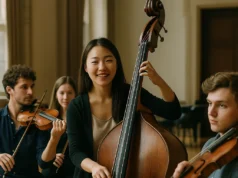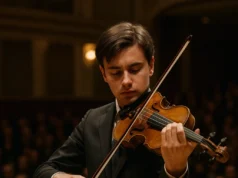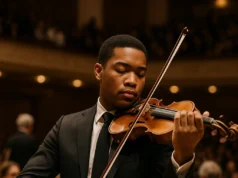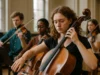

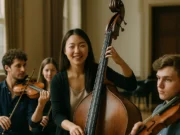
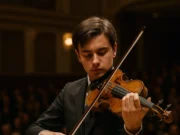
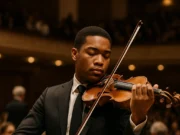
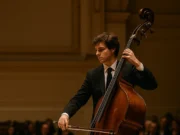
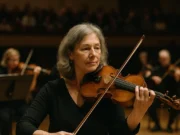
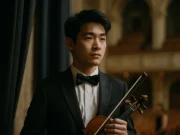
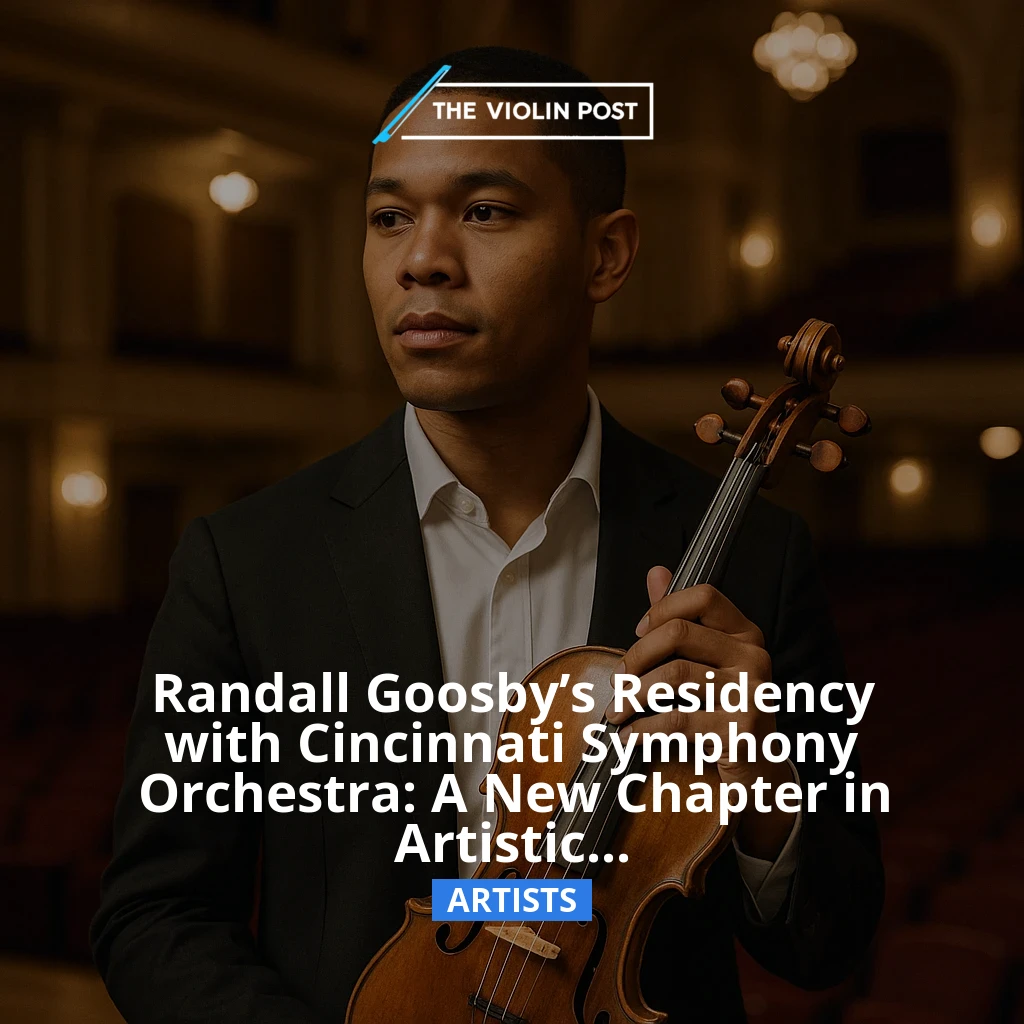
The Cincinnati Symphony Orchestra has recently welcomed violinist Randall Goosby as its new artist-in-residence, marking an important development for the orchestra and the violinist’s evolving career. This collaboration is poised to enhance the cultural fabric of the ensemble’s programming, offering fresh interpretative voices and fostering deeper community engagement.
Context: Artist Residencies in the Contemporary Classical Landscape
Artist residencies within symphony orchestras have become crucial platforms for both established and emerging musicians. These roles often involve solo performances, chamber music collaborations, educational outreach, and participation in various artistic initiatives. For an orchestra, an artist-in-residence can provide continuity beyond individual concert appearances, creating opportunities for sustained artistic dialogue and innovation.
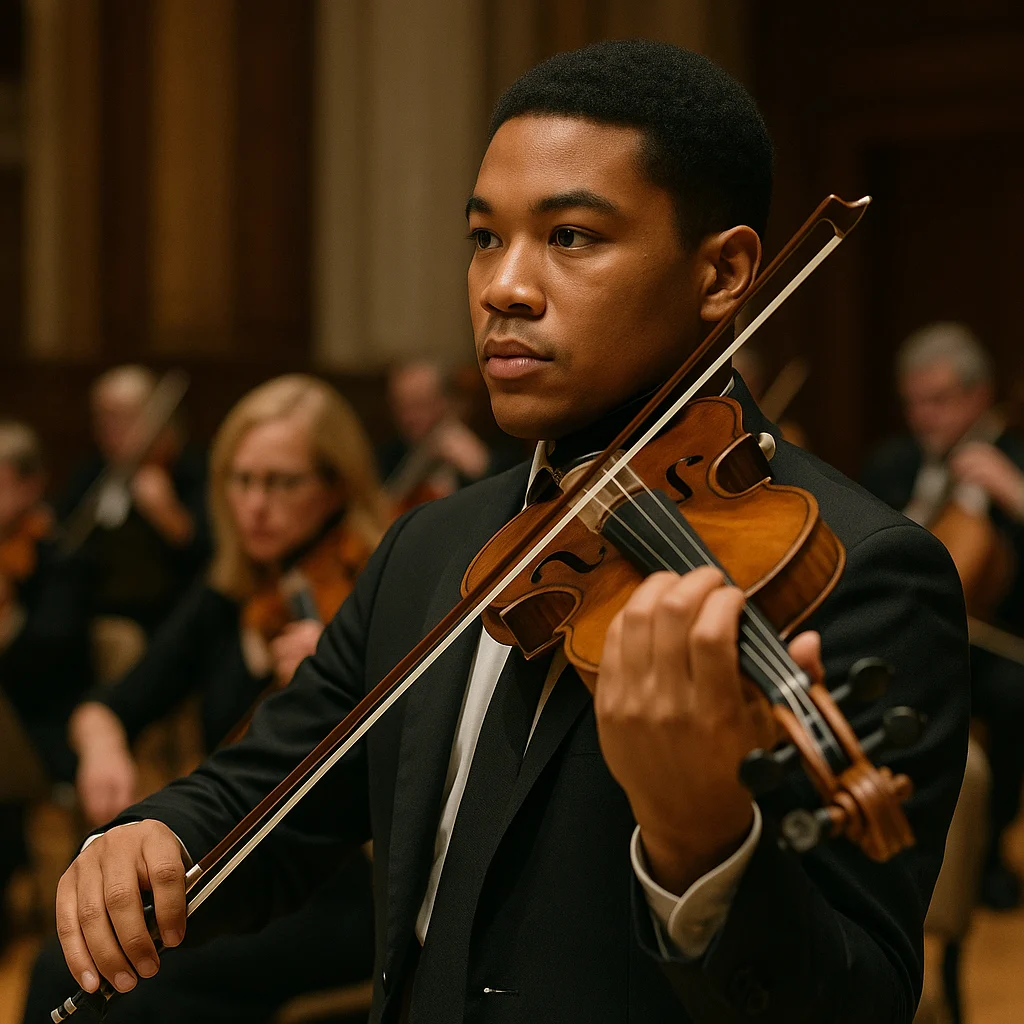
Randall Goosby, known for his expressive artistry and technical finesse, steps into this role at a moment when orchestras are actively seeking to diversify their offerings and deepen their connections with audiences. Residencies help orchestras nurture talent and cultivate multi-faceted relationships that go beyond concert stages, embracing community involvement and educational missions.
The Significance of Goosby’s Role with the Cincinnati Symphony Orchestra
Goosby’s residency aligns with the Cincinnati Symphony Orchestra’s commitment to presenting compelling violin repertoire and championing rising talents. His presence brings a vital interpretative perspective to the orchestra’s programming, providing audiences with nuanced renditions of standard and contemporary works alike.
For performers and students, having access to an artist-in-residence of Goosby’s caliber offers inspiration and mentorship. It enhances the local music ecosystem by encouraging young musicians to engage with a practicing soloist actively involved in the orchestral community. Furthermore, these residencies often include educational workshops and outreach activities, broadening the orchestra’s impact beyond traditional concert halls.
The residency also reflects broader trends in classical music where cross-generational collaboration and active community engagement are increasingly emphasized. It offers both Goosby and the orchestra a laboratory for artistic experimentation and audience development at a time when cultural institutions are recalibrating their roles within society.
Looking Ahead: Potential Impacts and Future Directions
As Goosby settles into his residency, the Cincinnati Symphony Orchestra and its audiences can anticipate a series of programs that showcase the violinist’s versatility and commitment to artistic exploration. This partnership may also serve as a model for other orchestras seeking to integrate residencies into their artistic frameworks, reinforcing the importance of sustained artist engagement in a competitive cultural marketplace.
Moreover, the residency underscores the evolving pathways for violinists today, where collaborations with orchestras extend beyond guest solo appearances to involve broader artistic contributions. For collectors, educators, and classical music enthusiasts, such arrangements suggest a continuing evolution in how musical careers and orchestral identities are shaped.
Why this matters
- Residencies like Goosby’s offer orchestras an extended platform for artistic growth and audience connection beyond standard engagements.
- The appointment impacts performers, students, and local communities by fostering mentorship and educational outreach.
- It reflects contemporary shifts in classical music towards integrated artist roles that combine performance with community involvement.
- Opportunities arising from such residencies influence career trajectories for emerging soloists in a changing musical landscape.
- Observers should watch for how this collaboration shapes programming choices and audience engagement strategies at the Cincinnati Symphony Orchestra.
Related topics
- The role of artist residencies in sustaining orchestral innovation and relevance
- Mentorship and educational outreach as components of modern classical music careers
- Balancing tradition and experimentation in violin repertoire programming
Editorial Commentary
Artist-focused coverage is especially valuable because careers in the string world are built not only through performances, but through repertoire choices, collaborations, educational paths, and the ability to connect with audiences over time.
Seen from that perspective, this story helps readers place the featured musician within a broader professional and artistic conversation that matters to performers, presenters, students, and listeners alike.
About The Violin Post
The Violin Post is an international editorial platform dedicated to violin making, classical performance, competitions, instruments, and the wider culture of the string world.
Its coverage connects news reporting with specialist context for readers interested in performers, makers, educators, institutions, and musical heritage.
Related Articles
- Christian Li’s Play-Conducting of Vivaldi Marks a Remarkable Moment in Classical Performance
- Classic FM Highlights 30 Emerging Classical Musicians Under 30 for 2025
- Sirena Huang’s Zankel Hall Debut: A New Chapter in a Flourishing Violin Career
— The Violin Post Editorial Staff