
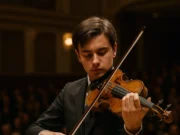
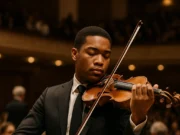
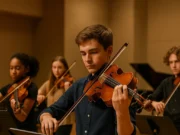
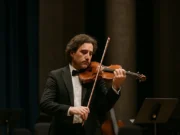
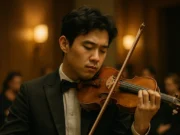
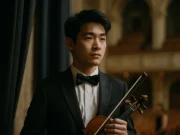
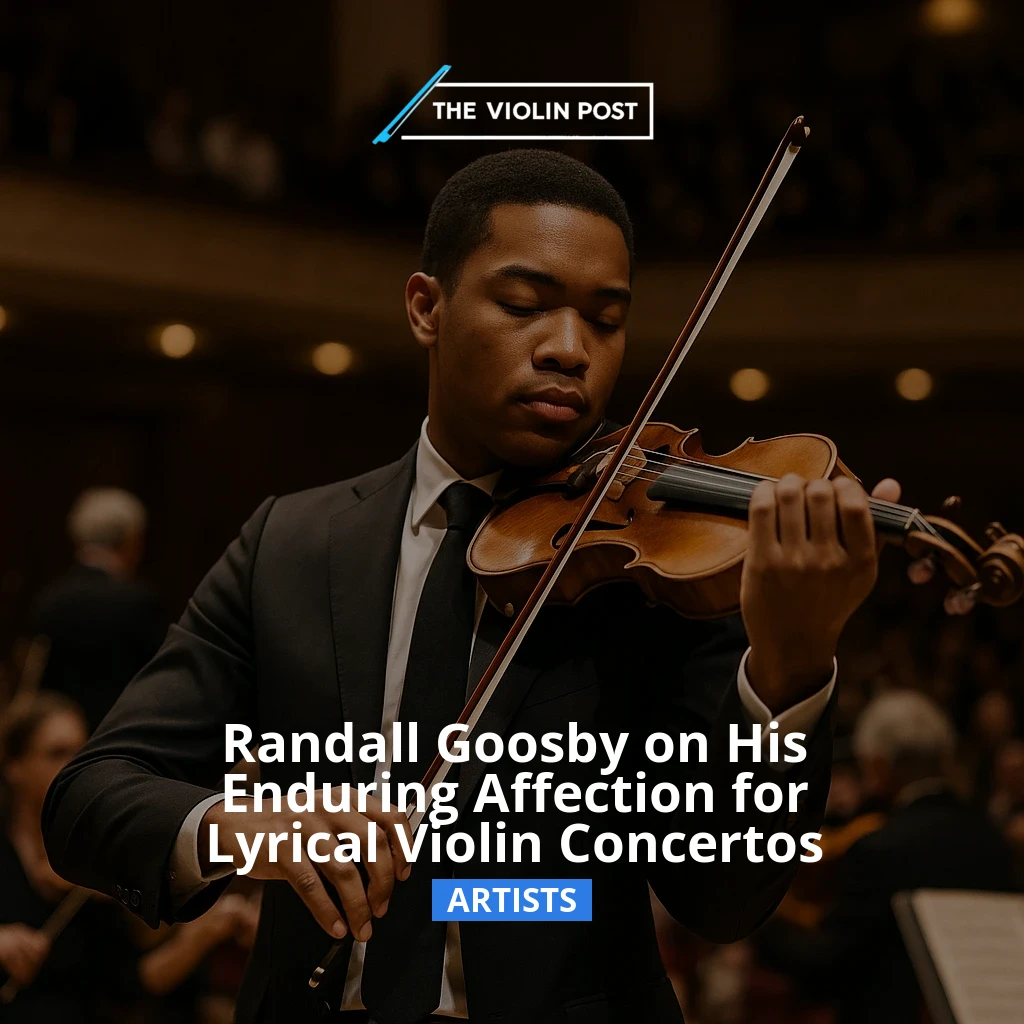
Randall Goosby, a violinist celebrated for his emotive playing and rising presence on concert stages, has expressed a heartfelt affinity for violin concertos that emphasize lyrical and beautiful melodies. This preference, shared recently in an interview with San Francisco Classical Voice, offers insight into the musical values that shape his artistic identity.
A Dedication to Lyricism
Goosby’s statement, “I’m a sucker for anything lyrical and beautiful,” underscores a consistent pursuit of expressive depth in his performances. For Goosby, the allure of a violin concerto lies not merely in technical prowess or virtuosic flair, but in the capacity of the music to sing—conveying emotion through long, singing lines and rich tonal colors.
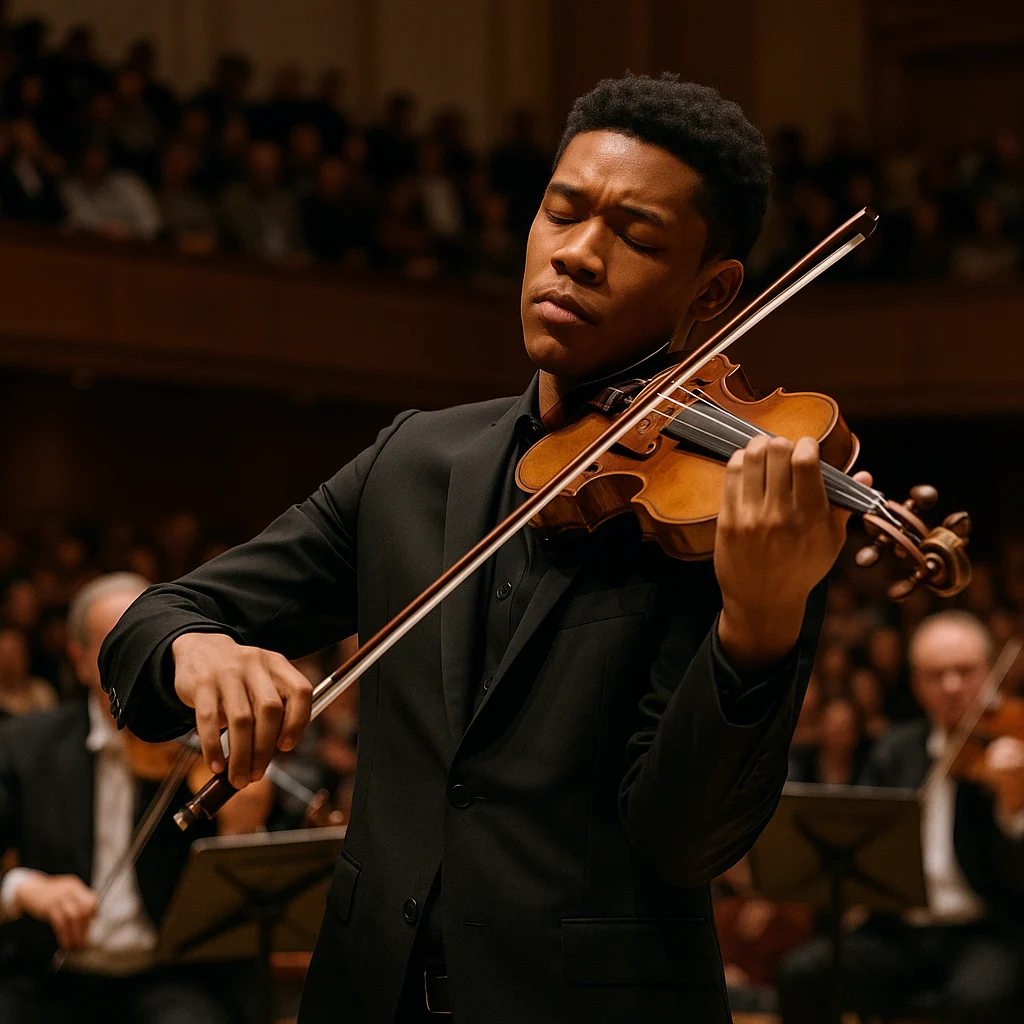
This allegiance to lyricism situates Goosby within a lineage of violinists who prioritize narrative and emotional resonance over sheer technical spectacle. Such an approach calls audiences to listen beyond dazzling passages to the heart of the music’s melodic expressiveness.
Context and Impact in the Contemporary Violin Scene
In a contemporary landscape often driven by dazzling display and contemporary innovations, Goosby’s emphasis on beautiful, lyrical music points to an enduring core in violin performance—the communicative power of melody. His perspective encourages performers, students, and audiences alike to reengage with the emotional narratives that have long been central to the violin concerto repertoire.
For luthiers, concert programmers, and educators, Goosby’s viewpoint reinforces the significance of balancing technical demands with musicality in both instrument crafting and repertoire choices.
Why this matters
- The emphasis on lyricism highlights a timeless element essential to violin artistry, emphasizing music’s emotional communication.
- Performers and students can find inspiration in Goosby’s approach as a model that values expressive depth alongside technical skill.
- Concert presenters and institutions might reconsider programming choices to include works that resonate through melodic beauty, appealing to broad audiences.
- The perspective aids luthiers and instrument makers in understanding the nuances desirable in instruments favored for lyrical playing.
- Following Goosby’s career offers insights into how contemporary violinists balance tradition with modernity in repertoire and interpretation.
Related topics
- The role of lyrical expression in shaping violin performance practice.
- How contemporary violinists navigate traditional and modern repertoire choices.
- Choosing instruments and bows to optimize tonal beauty and singing qualities.
Editorial Commentary
Artist-focused coverage is especially valuable because careers in the string world are built not only through performances, but through repertoire choices, collaborations, educational paths, and the ability to connect with audiences over time.
Seen from that perspective, this story helps readers place the featured musician within a broader professional and artistic conversation that matters to performers, presenters, students, and listeners alike.
About The Violin Post
The Violin Post is an international editorial platform dedicated to violin making, classical performance, competitions, instruments, and the wider culture of the string world.
Its coverage connects news reporting with specialist context for readers interested in performers, makers, educators, institutions, and musical heritage.
Related Articles
- IMG Artists Adds Violinist Chloe Chua to Its Management Roster
- Sanah: The Resonance of a New Voice in Contemporary Polish Music
- Violinist ALL’N Bridges Classical Technique and K-pop with Debut Single “We Up”
— The Violin Post Editorial Staff