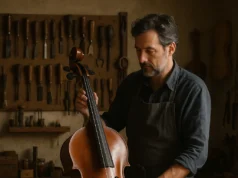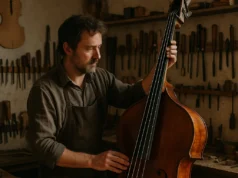





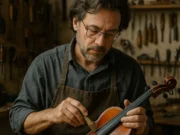













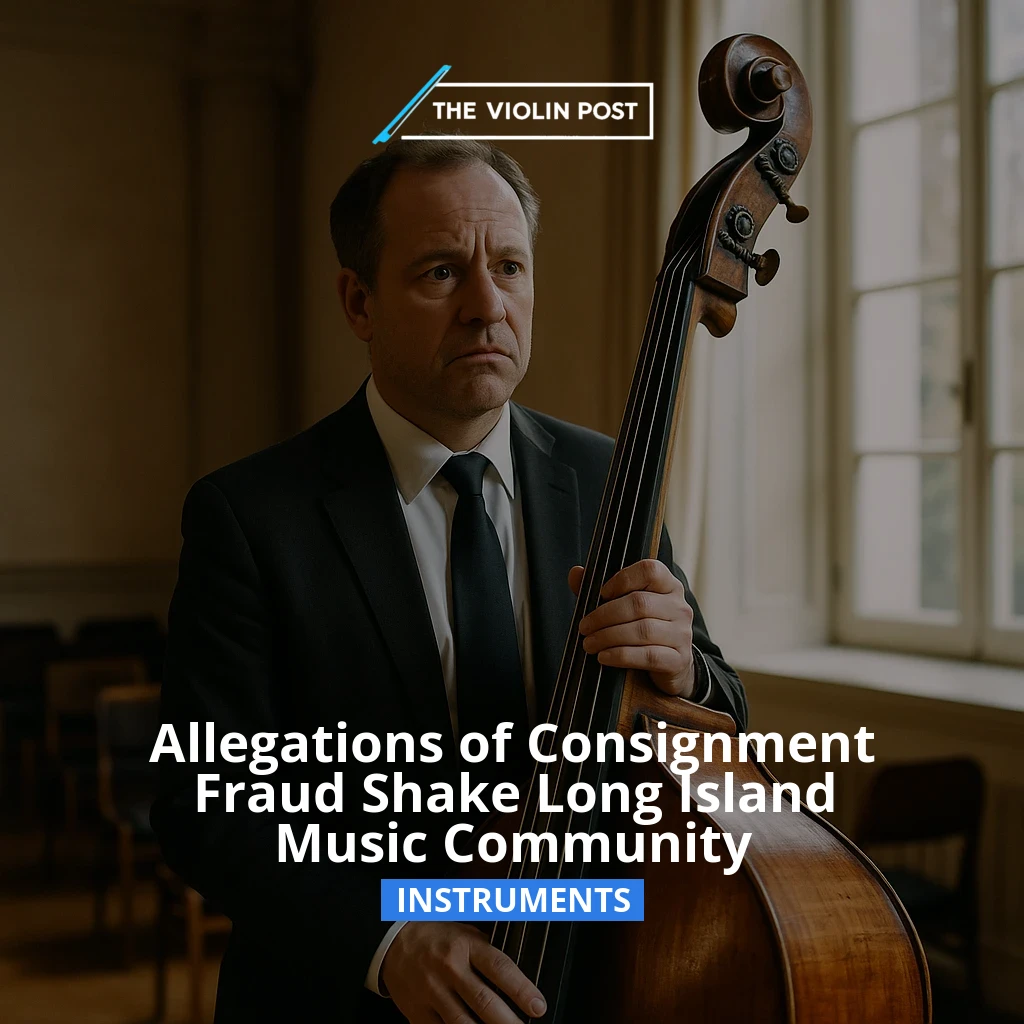
A Long Island music store is at the center of serious allegations following claims that it cheated owners by mishandling the sale of consigned instruments totaling over $700,000 in value. These accusations highlight vulnerabilities in the consignment process and reverberate strongly within the classical string instrument community.
Details of the Allegations
According to reports, multiple owners entrusted their valuable instruments to this local shop under consignment agreements, expecting professional handling and fair sale conditions. Instead, it is alleged that the shop failed to act transparently, potentially withholding proceeds or misrepresenting sales details. The cumulative value is said to exceed $700,000, underscoring the serious financial and emotional impact on the affected musicians, collectors, and luthiers who placed trust in the establishment.
Context Within the String Instrument Ecosystem
Consignment arrangements are crucial in the classical music world, especially for instruments like violins, violas, cellos, and double basses. Musicians often rely on reputable dealers to handle sales, as these instruments represent not just financial investment but also essential professional tools and often sentimental value.
Trust is paramount in transactions involving high-caliber instruments. The alleged misconduct threatens to undermine confidence between owner-consignors and dealers, complicating the market dynamics for both emerging and established artists, as well as collectors and makers who depend on transparent, ethical business practices.
Who Is Most Affected?
The principal victims here are the individual owners whose instruments were consigned in good faith. For performers, this could mean a significant financial loss affecting their ability to maintain, upgrade, or insure their instruments. Collectors and investors in fine instruments may also face doubts about using consignment sales as a pathway to liquidate assets.
Furthermore, reputable music shops and luthiers in the region might feel the ripples of reduced trust among their clientele, especially if the wider community begins to question dealer integrity as a result. Institutions that circulate instruments via consignment or manage collections could also become more cautious, potentially complicating the secondary instrument market.
Broader Implications and the Need for Oversight
This case underscores the need for clearer safeguards, professional standards, and perhaps more rigorous oversight in the consignment and resale of high-value string instruments. As the market grows increasingly complex and lucrative, ensuring transparent transactions remains critical to preserving the health and vibrancy of the classical music ecosystem.
For students and young professionals, reliable instrument access often hinges on brokers and shops acting with ethical rigor. For collectors and performers alike, preserving trust means safeguarding the historical and cultural legacy carried by these unique instruments.
Why this matters
- It exposes potential vulnerabilities in consignment dealings that affect musicians, collectors, and luthiers.
- Trust and transparency are essential for the circulation and maintenance of fine instruments within the classical music community.
- The reputational risk impacts not just the accused but the wider ecosystem of dealers and musicians reliant on consignment sales.
- Raises questions about applying stronger consumer protections and professional standards in musical instrument commerce.
- Alerts readers to the importance of due diligence and cautious engagement when consigning valuable instruments.
Related topics
- How consignment sales function in the classical instrument market
- Ethics and regulations governing musical instrument dealers
- Impact of market trust on the viability of private collections and instrument circulation
Editorial Commentary
Instrument-centered articles are valuable because they connect sound, materials, construction, and performance practice. For specialists and enthusiasts alike, they provide insight into the physical objects that stand at the heart of musical interpretation.
Read in a broader way, this type of story helps explain why the history and evolution of the $instrument_label still matter today to makers, performers, collectors, educators, and serious listeners.
About The Violin Post
The Violin Post is an international editorial platform dedicated to violin making, classical performance, competitions, instruments, and the wider culture of the string world.
Its coverage connects news reporting with specialist context for readers interested in performers, makers, educators, institutions, and musical heritage.
Related Articles
- Decoding the Charm of Golden Age String Instruments
- Gary Karr Reflects on Common Misunderstandings About the Double Bass
- Unraveling Musical Mastery: Exploring the Most Challenging Instruments
— The Violin Post Editorial Staff