




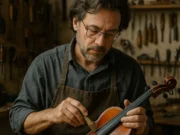

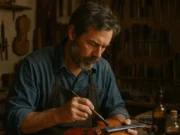
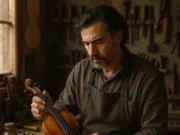
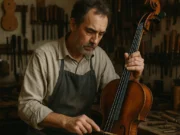
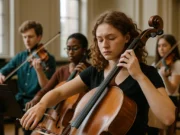
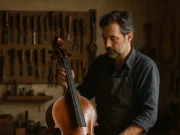
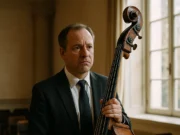
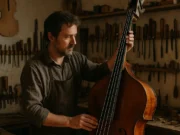

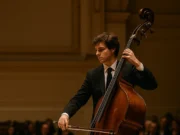


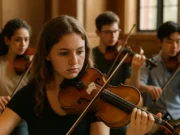
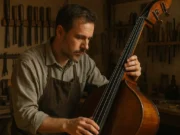
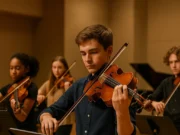
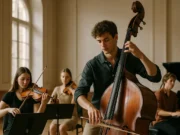




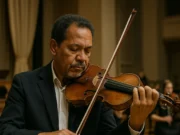
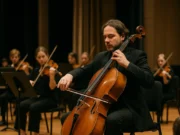
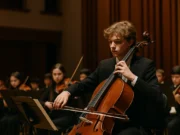
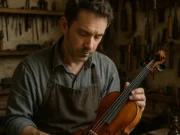


Extreme temperature and humidity variations can pose serious threats to the integrity and performance of string instruments. As summer months bring intensified heat and moisture, musicians and instrument makers face the challenge of preserving delicate woods, varnishes, and structural stability. Recognizing and mitigating these environmental risks has become an essential part of instrument care within the classical music community.
The Impact of Heat and Humidity on String Instruments
String instruments such as violins, violas, cellos, and double basses are crafted from sensitive woods that respond dynamically to atmospheric conditions. Elevated heat can cause wood to expand slightly, potentially loosening seams, compromising glue joints, and altering tonal qualities. Conversely, humidity fluctuations may introduce moisture into the wood fibers, leading to swelling or contraction, cracks in varnish, changes in the action, and warping of the neck. The cumulative effect can impair sound production and playability.
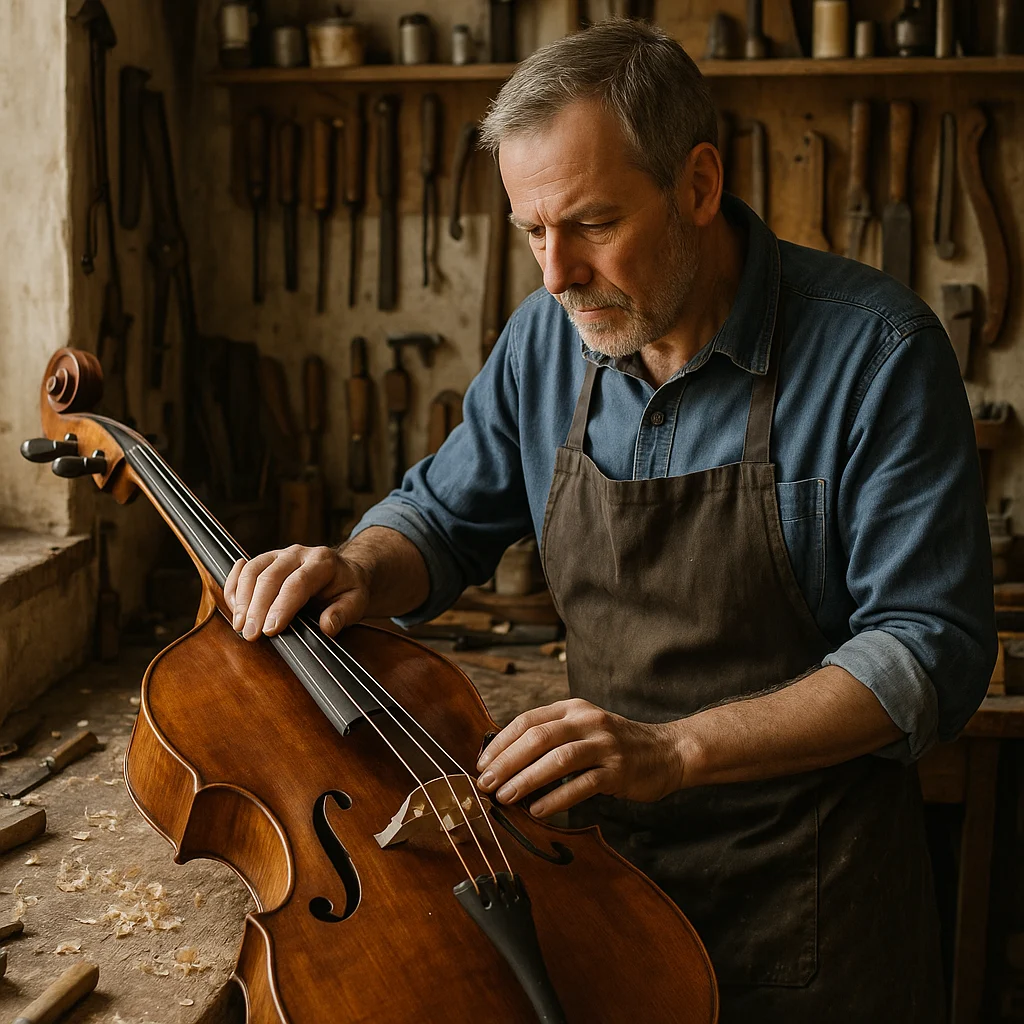
For professional performers, these variations affect not only their instrument’s longevity but also their ability to produce a reliable, expressive tone. Conservators and luthiers often warn that consistent care is necessary to prevent costly repairs or irreparable damage. This is particularly critical for rare and historic instruments whose structural integrity is paramount.
Strategies for Protection and Maintenance
Musicians are advised to monitor humidity levels with digital hygrometers and employ humidifiers or dehumidifiers as needed within cases or practice spaces. Cases with built-in humidity control or vapor capsules prove valuable during travel or performances in climates prone to instability. Avoiding direct exposure to sunlight and heat sources helps reduce rapid temperature changes.
Regular inspections by experienced luthiers can detect early signs of weather-related stress. Seasonal maintenance, including adjustment of the instrument’s setup and application of suitable polishes or protective agents, can enhance resilience. Moreover, educational outreach and shared expertise among performers and makers reinforce a culture of vigilance and preventive care.
Climatic considerations are also influencing contemporary instrument storage and exhibition in museums and conservatories around the world, underscoring the broader significance of environmental control in musical heritage preservation.
Why this matters
- The vulnerability of string instruments to heat and humidity is an ongoing concern, intensified by climate variability and touring demands.
- Musicians, luthiers, instrument collectors, and institutions must collaborate to maintain optimal conditions and ensure instrument integrity.
- This knowledge supports both daily instrument care and the safeguarding of historical artifacts, enriching the cultural ecosystem.
- Attention to environmental factors enhances performers’ ability to deliver consistent, quality sound to audiences.
Related topics
- The role of hygrometers and environmental sensors in modern instrument care
- Challenges of preserving historic string instruments in variable climates
- Effects of travel and transportation on instrument stability and sound quality
Editorial Commentary
Instrument-centered articles are valuable because they connect sound, materials, construction, and performance practice. For specialists and enthusiasts alike, they provide insight into the physical objects that stand at the heart of musical interpretation.
Read in a broader way, this type of story helps explain why the history and evolution of the $instrument_label still matter today to makers, performers, collectors, educators, and serious listeners.
About The Violin Post
The Violin Post is an international editorial platform dedicated to violin making, classical performance, competitions, instruments, and the wider culture of the string world.
Its coverage connects news reporting with specialist context for readers interested in performers, makers, educators, institutions, and musical heritage.
Related Articles
- Allegations of Consignment Fraud Shake Long Island Music Community
- Decoding the Charm of Golden Age String Instruments
- Gary Karr Reflects on Common Misunderstandings About the Double Bass
— The Violin Post Editorial Staff