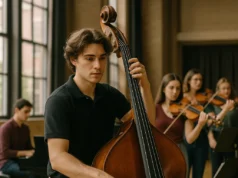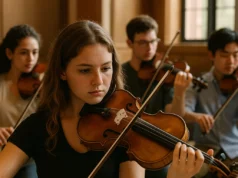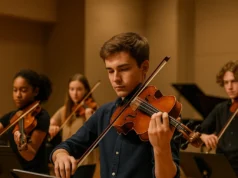

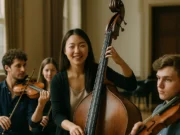
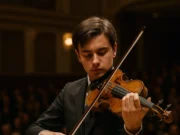
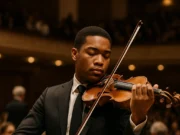
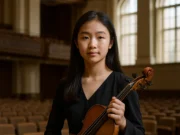
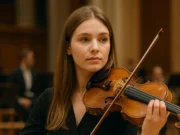
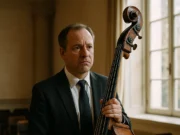
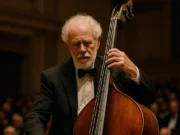
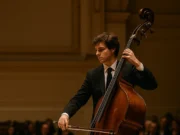
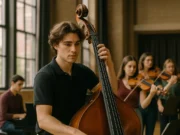
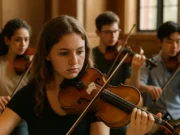
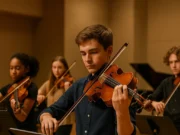
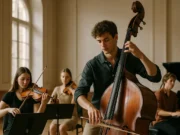
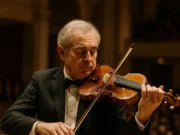
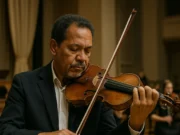
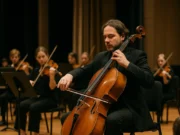
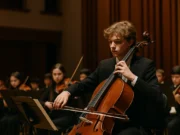

Canada’s vibrant classical music scene is supported not only by its concert halls and conservatories but also by a network of summer music camps that cultivate the next generation of performers. Each summer, these specialized camps bring together young violinists, violists, cellists, and double bassists in immersive environments tailored to enhance technique, musicianship, and ensemble skills.
Diverse Programs Foster Artistic Growth
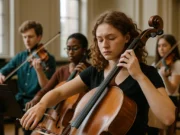
Canadian summer music camps vary widely in their focus, size, and pedagogical approaches. Some prioritize orchestral experience, enabling participants to engage in full symphonic repertoire under the guidance of seasoned conductors. Others emphasize chamber music coaching, offering intimate settings that hone collaboration and interpretative sensitivity among small ensembles. Many camps blend rigorous individual lessons with masterclasses led by renowned guest artists, ensuring that young musicians receive personalized instruction alongside broader artistic perspectives.
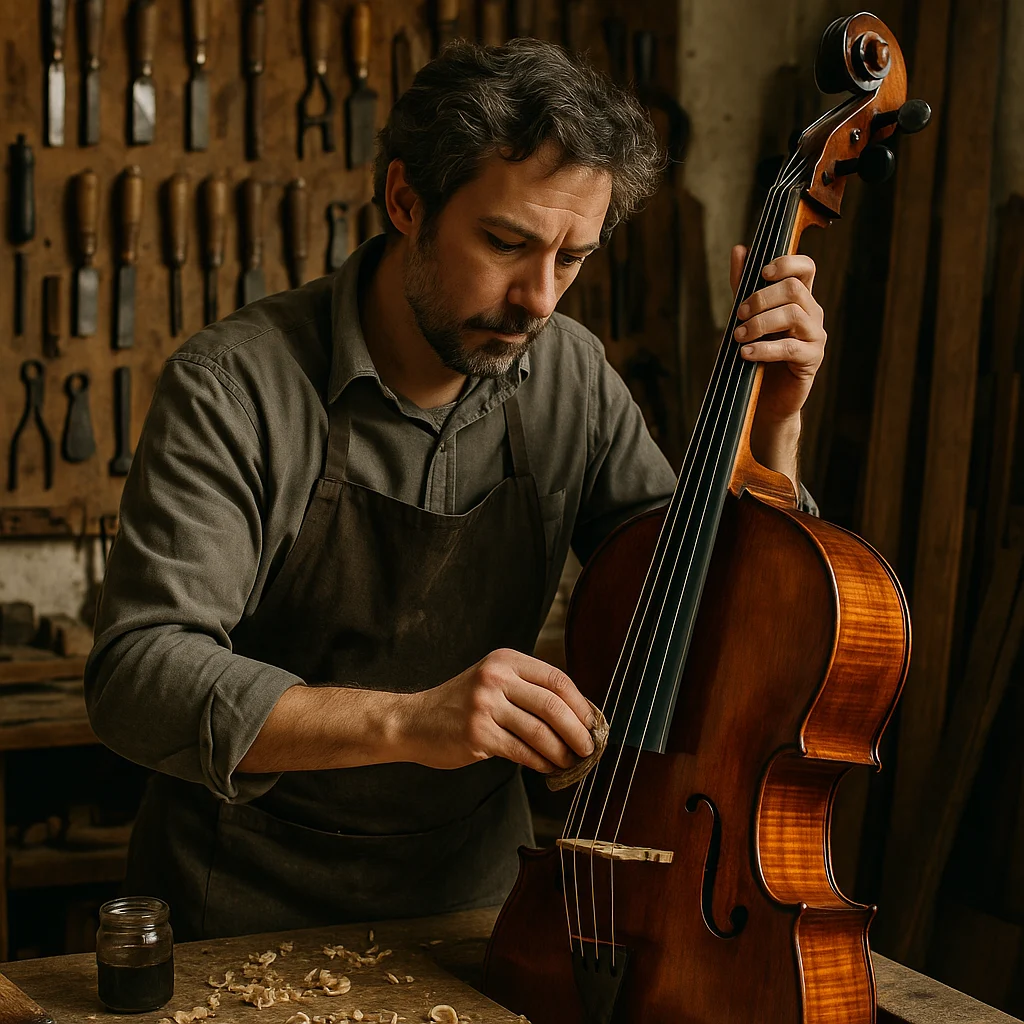
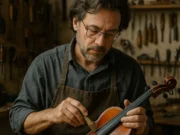
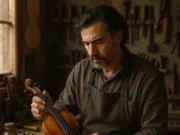
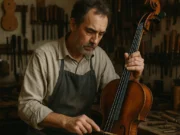
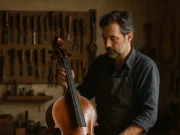
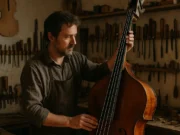
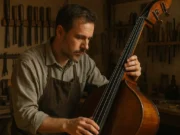
This diversity affords students the flexibility to find a program that aligns with their developmental needs and musical goals. For instance, some camps dedicate particular attention to early-stage players seeking foundational skills, while others cater to advanced pre-professionals preparing for conservatory auditions or orchestral careers. The presence of luthiers and instrument-making workshops at select camps also enriches participants’ understanding of their instruments, deepening their connection to the tradition of string craftsmanship.
Impact on Musicians and the Classical Ecosystem
The significance of these summer programs extends beyond individual advancement. They serve as vital hubs for community-building, allowing young artists from different regions to connect, exchange ideas, and inspire one another. This networking is crucial in a vast country like Canada, where geography can limit frequent in-person interactions.
Moreover, summer music camps contribute to the health of the classical music ecosystem by reinforcing the pipeline that feeds orchestras, chamber ensembles, and teaching institutions. The intensive training and performance experience provided during these camps bolster technical proficiency and artistic maturity, traits essential for aspiring professionals navigating a competitive landscape.
Institutions and families often weigh the cost, location, and educational philosophy of summer camps carefully, reflecting their integral role in music education. The camps’ ability to adapt to evolving pedagogical trends and incorporate new repertoire or interdisciplinary approaches will likely influence their continued relevance.
Looking Ahead
As Canada’s musical landscape evolves, summer music camps remain a foundational component nurturing excellence and passion among young string players. Their role in bridging formal education and professional careers will continue to be pivotal, especially with increased attention to diversity, accessibility, and innovative teaching methods. Observing how these programs respond to the changing needs of students and the classical music world at large will offer insights into the future shape of Canadian string artistry.
Why this matters
- Summer music camps are essential for the technical and artistic development of young string players across Canada.
- They serve as critical meeting points for community and networking among emerging musicians and educators.
- The camps support the broader classical music infrastructure by preparing candidates for higher education and professional engagements.
- Understanding the variety and focus of these camps helps families and institutions make informed choices about musical training.
- Tracking the evolution of these programs offers perspectives on trends impacting the future of classical string performance in Canada.
Related topics
- How music education summer programs influence audition success for conservatories
- Trends in chamber music coaching and its impact on young performers
- The role of lutherie workshops in fostering instrument appreciation among young musicians
Editorial Commentary
Educational developments deserve attention because training environments often determine the future health of the classical music sector. The opportunities available to students today shape the artistic standards, professional habits, and creative ambitions of tomorrow.
For teachers, families, institutions, and emerging performers, stories in this area provide context on how learning, mentorship, and access continue to influence the evolution of the string community.
About The Violin Post
The Violin Post is an international editorial platform dedicated to violin making, classical performance, competitions, instruments, and the wider culture of the string world.
Its coverage connects news reporting with specialist context for readers interested in performers, makers, educators, institutions, and musical heritage.
Related Articles
- Little Rock Music Academy’s Enduring Appeal Through Expert Instruction and Performance Platforms
- Festival Academy Budapest Marks a Decade of Nurturing Classical Music Talent
- Ana Labazan Brajša and the International Music School Upbeat: A Violinist’s Insight into Contemporary Music Education
— The Violin Post Editorial Staff