


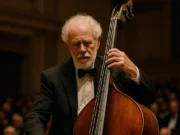
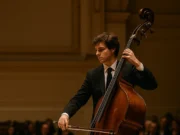
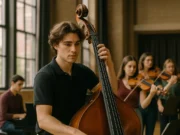
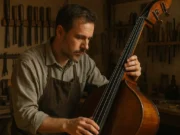
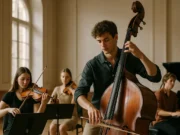
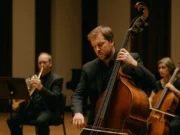
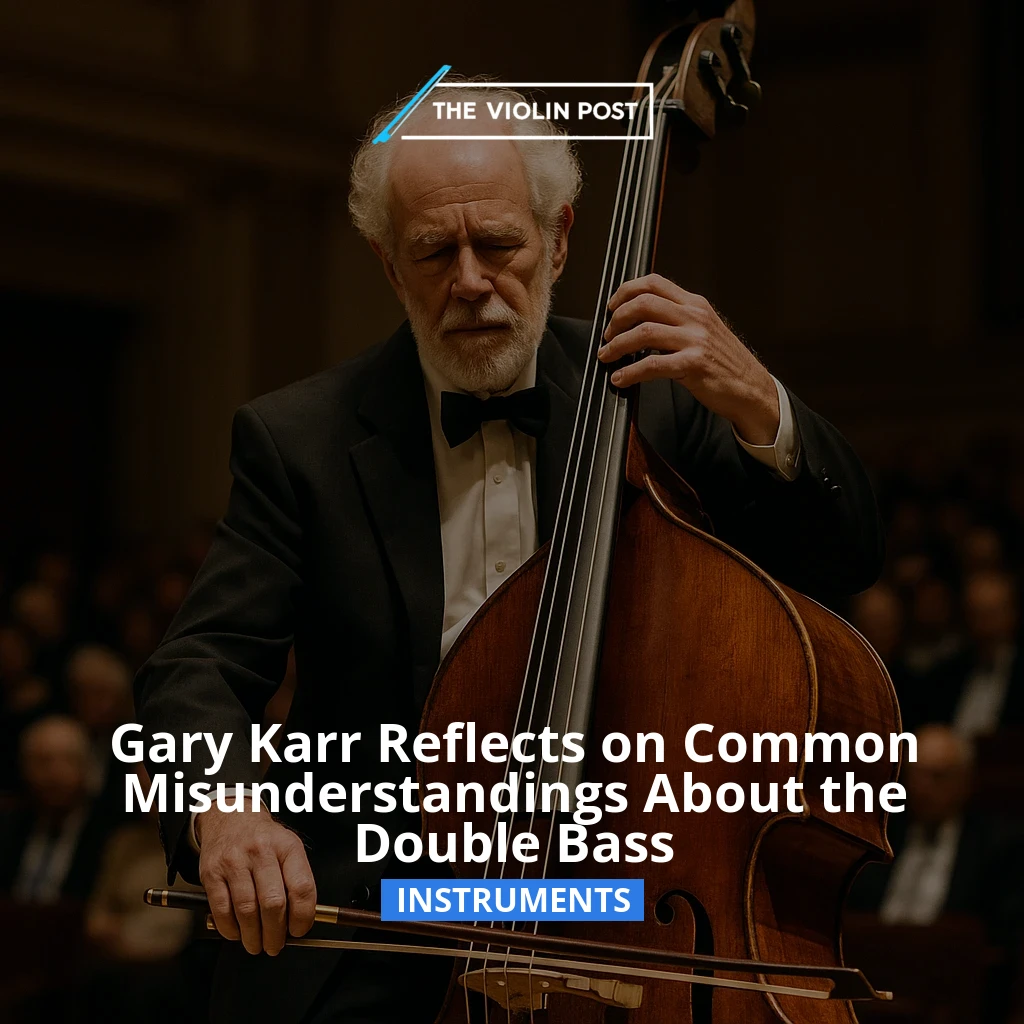
The double bass, often overshadowed by its smaller string family counterparts, remains a subject of persistent misunderstandings within classical music circles. Gary Karr, widely regarded as one of the foremost soloists and advocates for the instrument, offers a candid commentary on these misconceptions, inviting a reevaluation of the double bass’s identity and artistic potential.
Context: A Longstanding Challenge in Bass Perception
The double bass’s reputation has historically been tethered to its supporting role within orchestral and ensemble settings. Unlike the violin or cello, it rarely captures the spotlight as a solo instrument, often leading to stereotypes about its technical limitations and musical expressiveness. These views have influenced not only audience expectations but also educational approaches and repertoire development.
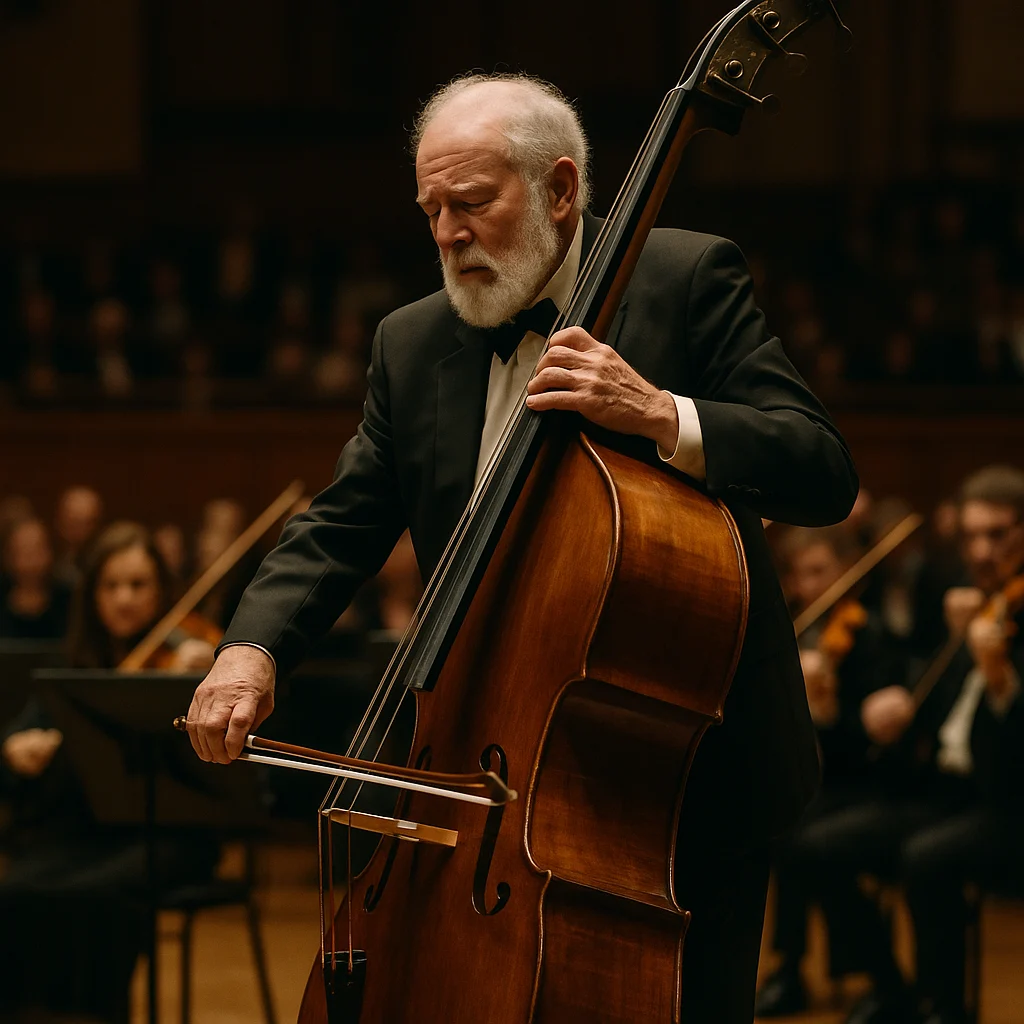
Gary Karr’s career has been instrumental in expanding the instrument’s horizons. His performances and pedagogy have challenged the notion that the bass is merely a foundation for harmony and rhythm. Instead, he champions its unique voice and capacity for nuanced, lyrical expression.
Insights into the ‘Bass-ic’ Misunderstandings
Karr highlights several key misunderstandings surrounding the bass. One is the perception of the instrument as cumbersome or limited in agility, which can discourage aspiring soloists and influence programming choices. Another misconception is the underestimated emotional range the bass can convey, often thought less capable of subtlety compared to higher-pitched strings.
These misunderstandings contribute to a lack of visibility for bass repertoire in concert halls and a scarcity of compositions that fully exploit the instrument’s capabilities. They also affect students, who may feel confined by conventional notions of the bass’s role, and luthiers, whose innovations can be overlooked if demand for varied instruments and setups is muted.
Broader Implications for the Classical Music Ecosystem
Addressing these misconceptions is crucial for a more inclusive and diverse classical music culture. Recognizing the double bass’s full range invites composers, performers, and educators to enrich the instrument’s repertoire and teaching materials. It positions the bass not just as accompaniment but as a compelling solo voice.
Orchestras and institutions stand to benefit by programming works that feature the bass as a lead instrument, thus expanding concertgoers’ auditory palate. Collectors and makers might also find new interest in instruments tailored for soloistic clarity and projection, sparking innovation in lutherie.
Looking Forward: Advancing Bass Appreciation
Gary Karr’s reflections serve as a call to action to broaden understanding and appreciation of the double bass. As performers continue to push boundaries and as educators nurture a new generation of bassists, the instrument’s role in classical music can be further redefined.
Fostering greater awareness and challenging entrenched stereotypes will elevate not only the double bass but also the richness of ensemble and solo music overall.
Why this matters
- It addresses persistent stereotypes limiting the double bass’s artistic role and potential.
- Performers, educators, composers, and audiences are directly impacted by these perceptions.
- Broadening appreciation encourages repertoire growth and educational innovation.
- The conversation influences programming decisions within orchestras and institutions.
- It highlights the intersection between musical technique, instrument design, and cultural recognition.
Related topics
- How solo double bass careers reshape classical music narratives
- The impact of pedagogy on string instrument evolution
- Challenges and opportunities in contemporary bass repertoire development
Editorial Commentary
Instrument-centered articles are valuable because they connect sound, materials, construction, and performance practice. For specialists and enthusiasts alike, they provide insight into the physical objects that stand at the heart of musical interpretation.
Read in a broader way, this type of story helps explain why the history and evolution of the $instrument_label still matter today to makers, performers, collectors, educators, and serious listeners.
About The Violin Post
The Violin Post is an international editorial platform dedicated to violin making, classical performance, competitions, instruments, and the wider culture of the string world.
Its coverage connects news reporting with specialist context for readers interested in performers, makers, educators, institutions, and musical heritage.
Related Articles
- Unraveling Musical Mastery: Exploring the Most Challenging Instruments
- Reimagining Grieg: The Cello Sonata Transcribed for Double Bass
- Georgia Tech Identifies Finalists for Its Innovative Musical Instrument Competition
— The Violin Post Editorial Staff