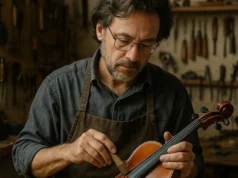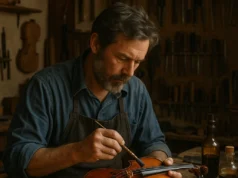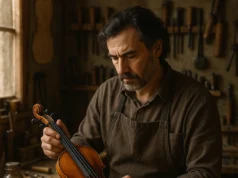

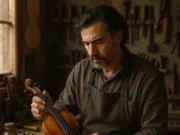
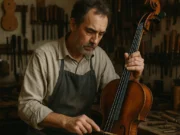
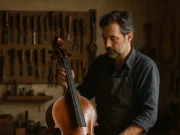



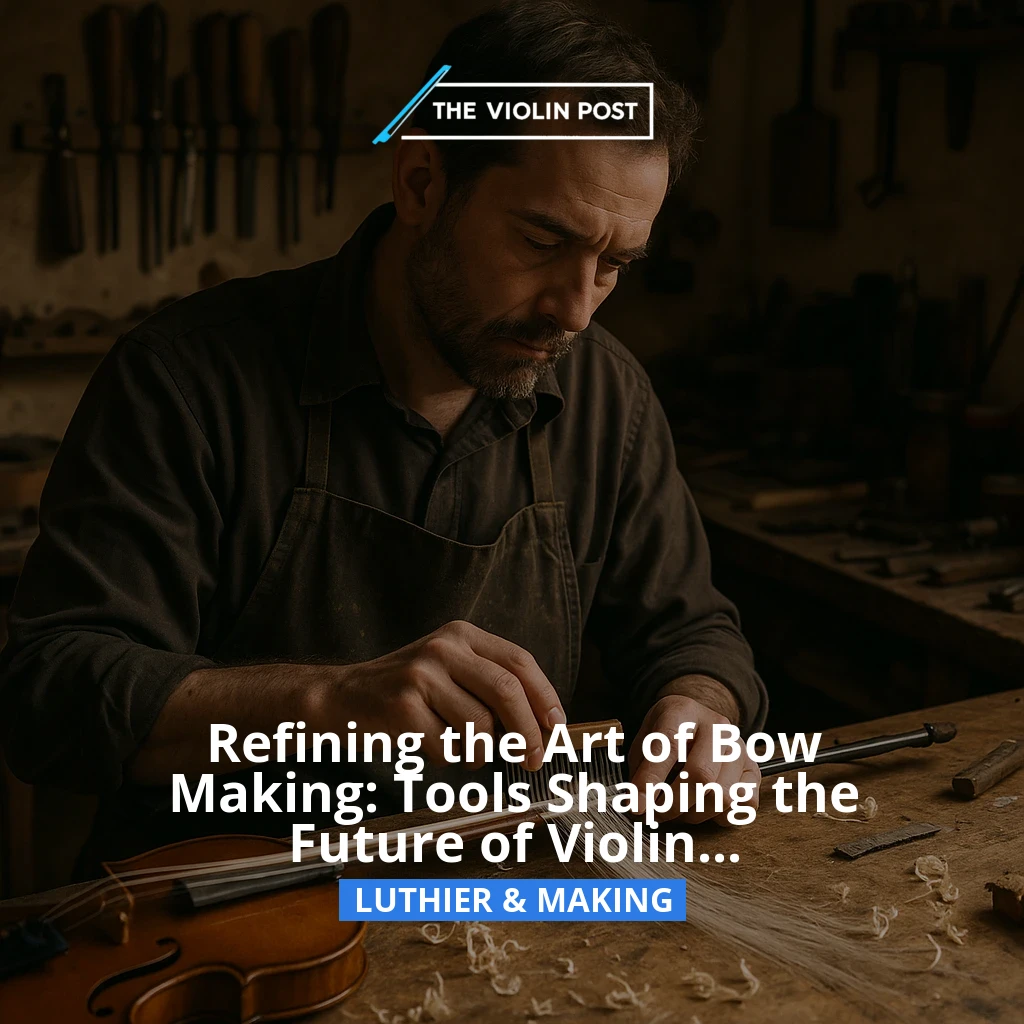
Bow hair preparation remains one of the most delicate and essential stages of violin bow making and maintenance. The quality of hairing directly influences a bow’s playability and the quality of sound it produces. Recently, a set of professional horse hair combs has emerged as a noteworthy tool for luthiers who specialize in bow making, highlighting the ongoing relationship between tool innovation and the preservation of traditional craftsmanship.
Tools Tailored for a Timeless Craft
Violin bow hair, traditionally sourced from horse tails, requires careful combing to remove impurities and ensure each strand lies parallel without tangling. This step is fundamental to crafting a bow that responds predictably under the musician’s fingers and interacts optimally with the violin strings. The introduction of specialized combs created for this purpose reflects both a dedication to fine craftsmanship and the evolving needs of contemporary bow makers.
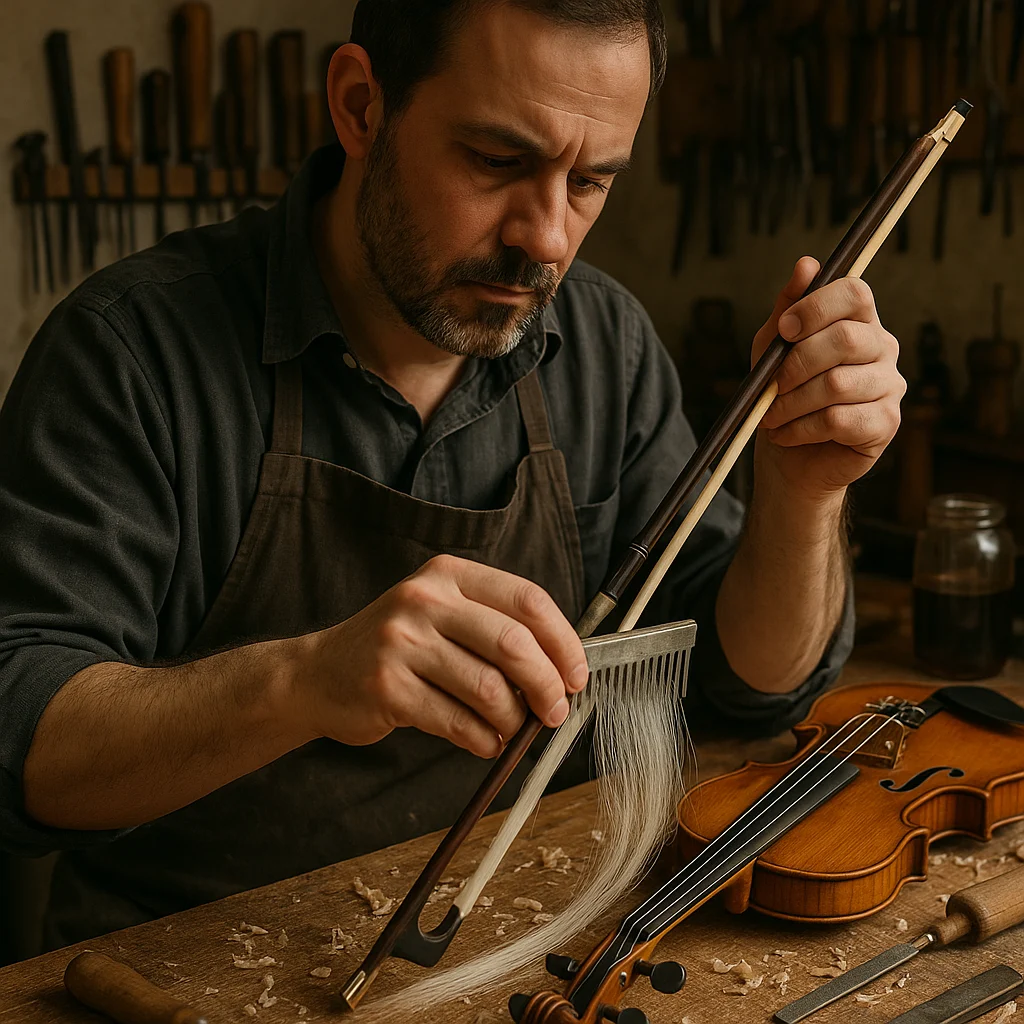
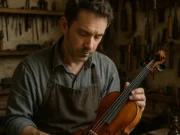
Such tools allow luthiers and repair specialists to work with precision, facilitating the delicate task of aligning horse hairs before they are secured onto the bow. Fine combs designed specifically for horse hair offer a higher degree of control than generic grooming tools, accommodating the distinct texture and fragility of bow hair. By enabling a more uniform hairing process, these combs contribute to the overall consistency of bow performance.
Who Benefits from Enhanced Bow Hair Preparation?
For performers, the benefits of superior bow hair preparation are felt immediately. A bow with well-prepared hair produces clearer tones, better articulation, and improved responsiveness. Students and professionals alike may notice the difference in their daily playing, often reliant on the subtle nuances that a finely made bow imparts.
Luthiers and restorers, the stewards of violin traditions, find in these tools an aid that respects their craft’s exacting standards. By employing instruments that facilitate meticulous hairing, they bolster their capability to deliver bows that meet the expectations of demanding musicians and collectors.
Moreover, the broader classical music community—encompassing orchestras, chamber ensembles, and soloists—depends heavily on the reliability and quality of bows. Improvements in bow making technologies and tools thus have a ripple effect, indirectly influencing performance quality across institutions and concert halls worldwide.
Broader Implications Within the Violin Ecosystem
The development and adoption of such specialized comb sets underscore how even subtle innovations in lutherie tools can support the ongoing vitality of the string instrument tradition. While the violin family has a deeply rooted history, the instruments’ continued relevance depends on the artisans’ ability to fuse traditional knowledge with practical enhancements.
Tools tailored to the specific challenges of bow hair preparation are a reminder that craftsmanship is not static; it evolves in concert with the needs of musicians and the materials available. This dialogue between preservation and innovation ensures that violin playing remains an art form supported by the finest possible equipment.
Why this matters
- Enhancing bow hair preparation directly improves the quality of sound and playability for violinists and other string players.
- Luthiers and instrument restorers benefit from specialized tools that enable precision and uphold craftsmanship standards.
- Musical institutions and audiences indirectly gain from improvements in performance reliability and tonal clarity.
- This tool innovation reflects the dynamic balance between tradition and modernization in classical string instrument maintenance.
- It encourages further exploration into how subtle enhancements in lutherie methods support the broader classical music ecosystem.
Related topics
- The critical role of bow hair quality in string instrument performance
- How modern tools shape classical instrument restoration practices
- The ongoing dialogue between traditional bow making and contemporary craftsmanship
Editorial Commentary
Coverage related to violin making is important because instruments are never separate from the musical culture around them. Craftsmanship, tonal research, restoration practice, and workshop traditions all influence how performers experience and present sound.
In this context, stories connected to makers and workshops help readers see how the legacy of the $instrument_label is preserved, interpreted, and renewed through the work of contemporary luthiers and institutions.
About The Violin Post
The Violin Post is an international editorial platform dedicated to violin making, classical performance, competitions, instruments, and the wider culture of the string world.
Its coverage connects news reporting with specialist context for readers interested in performers, makers, educators, institutions, and musical heritage.
Related Articles
- Crafting Violins by Traditional Methods in Northern Wisconsin
- Honoring a Unique Convergence of Cultural Scholarship and Violin Craftsmanship at Cal Poly Humboldt
- Remembering Michael Jaumann: German Violin Maker and Expert Restorer (1966–2025)
— The Violin Post Editorial Staff