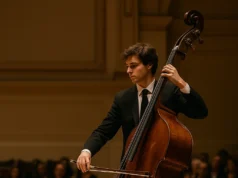



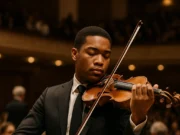
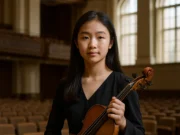
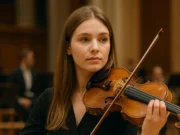



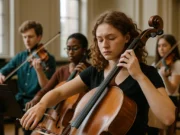


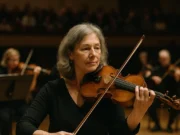
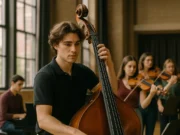
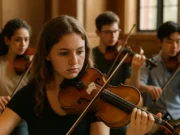

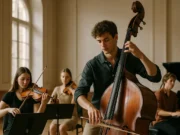
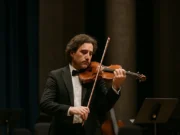



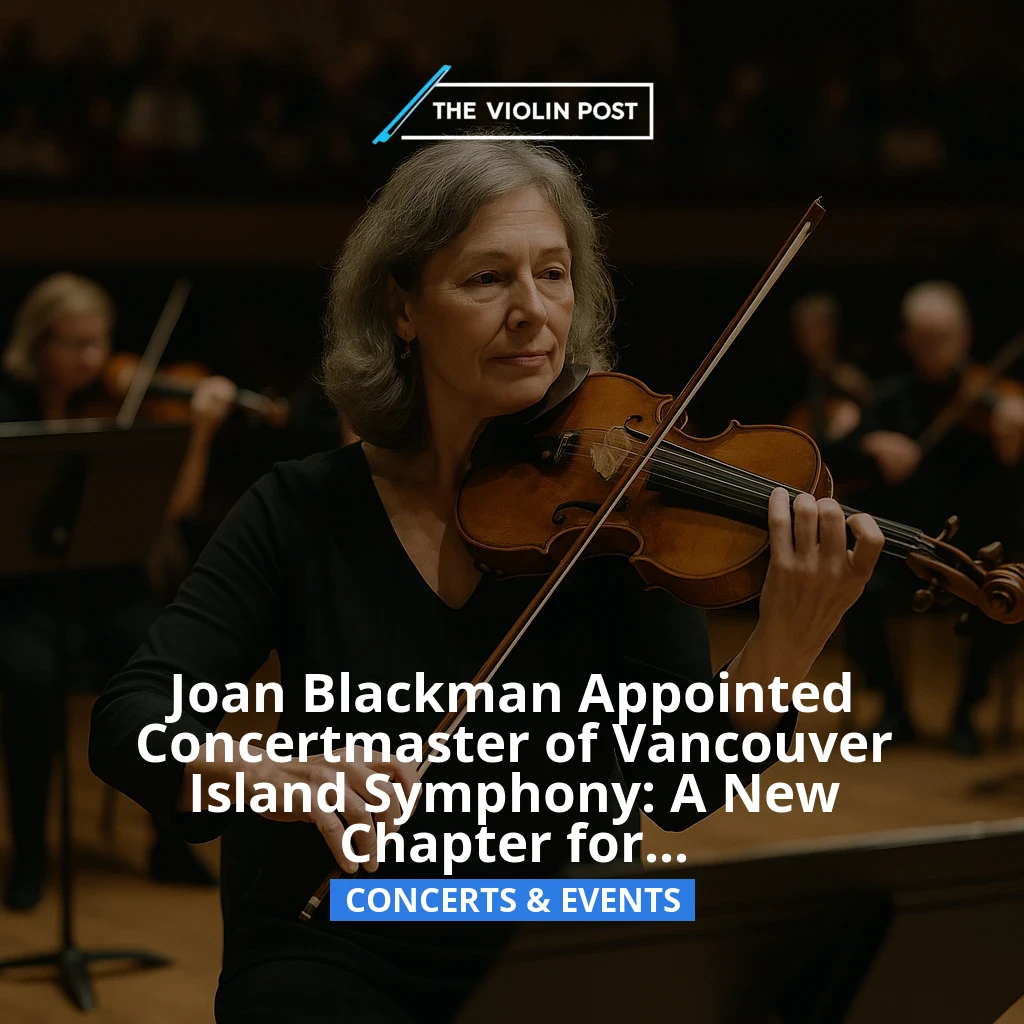
The Vancouver Island Symphony, based in Nanaimo, has recently appointed Joan Blackman as its new concertmaster, marking a significant development for the orchestra’s artistic direction. This appointment entrusts Blackman with the leadership of the violin section and a key role in shaping the performance dynamics of one of Vancouver Island’s foremost classical ensembles.
Joan Blackman’s Role and Expertise
As concertmaster, Blackman assumes responsibilities that extend beyond leading the first violins. She acts as a primary liaison between the conductor and orchestra members, influencing nuances of phrasing, intonation, and ensemble cohesion. This position demands not only technical excellence but also leadership skills and interpretive insight, qualities that Blackman brings to the Vancouver Island Symphony.
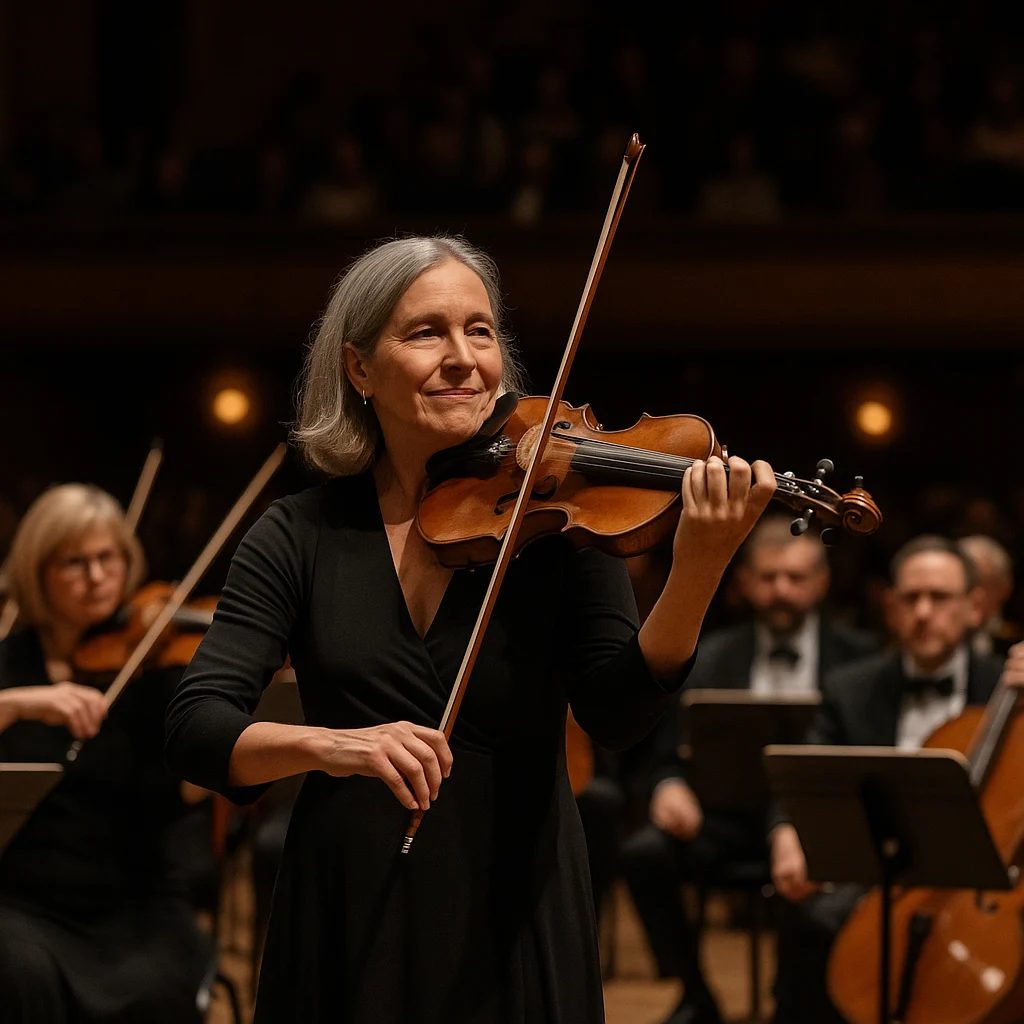
While specific details about Blackman’s previous engagements or career milestones are limited in the announcement, her selection speaks to her established reputation within the regional or broader classical music community. Concertmasters play an indispensable role, often serving as ambassadors for their orchestras and contributing to outreach activities and educational endeavors.
Impact on the Vancouver Island Symphony and the Local Music Ecosystem
The Vancouver Island Symphony holds an important position in the cultural life of Nanaimo and the surrounding areas. As a professional ensemble, it guides local audiences through popular orchestral repertoire while also supporting community engagement with classical music traditions. Blackman’s leadership at the violin section will likely influence the orchestra’s stylistic direction and performance caliber.
Her appointment may also have ripple effects for aspiring violinists and music students in the region, who often look up to concertmasters as role models and mentors. Additionally, such leadership changes can affect the orchestra’s programming choices and collaborations with visiting soloists or composers.
The role of a concertmaster in a regional symphony involves balancing artistic excellence with community accessibility. Blackman’s tenure could thus shape the Vancouver Island Symphony’s evolving relationship with its audiences amid the changing cultural landscape.
Looking Ahead: Challenges and Opportunities
Assuming this leadership role during a period when many orchestras worldwide are redefining their missions presents both challenges and opportunities for Blackman. Navigating audience expectations, artistic innovation, and educational outreach are part of a concertmaster’s remit in today’s classical music environment.
Her appointment reminds us of the continuing importance of strong, visionary leadership within orchestral institutions, particularly outside major metropolitan centers. The Vancouver Island Symphony’s choice reflects confidence in Blackman’s ability to foster artistic growth and contribute significantly to the orchestra’s future endeavors.
Why this matters
- Joan Blackman’s new role highlights the vital position of concertmaster within orchestral leadership affecting artistic direction and ensemble cohesion.
- The appointment is significant for regional musicians, students, and audiences engaged with Vancouver Island’s classical music scene.
- Leadership changes in orchestras can influence programming, community engagement, and the broader cultural ecosystem.
- Concertmasters help shape how orchestras respond to contemporary challenges in classical music presentation and education.
Related topics
- The evolving responsibilities of concertmasters in modern orchestras
- Regional orchestras as hubs for local cultural enrichment and musician development
- The interplay between orchestral leadership and community engagement initiatives
Editorial Commentary
Concert reporting matters because live performance remains the place where interpretation, repertoire, audience response, and artistic identity meet most visibly. For the string community, events like this also reveal how institutions and local scenes help sustain musical culture.
Beyond the single occasion, this kind of article helps readers understand programming choices, community engagement, and the evolving role of concerts in keeping the repertoire of the violin family present and relevant.
About The Violin Post
The Violin Post is an international editorial platform dedicated to violin making, classical performance, competitions, instruments, and the wider culture of the string world.
Its coverage connects news reporting with specialist context for readers interested in performers, makers, educators, institutions, and musical heritage.
Related Articles
- Lyon International Chamber Music Competition Reveals 2026 Finalists
- Delving Into the Rich Repertoire for Two Violins
- Amadeus Symphony Orchestra Collaborates with European Virtuosos in Jakarta
— The Violin Post Editorial Staff