
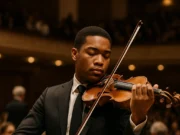
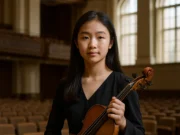
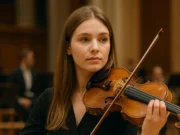
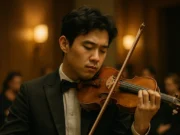
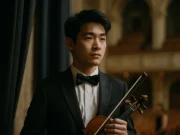
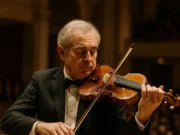
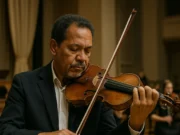
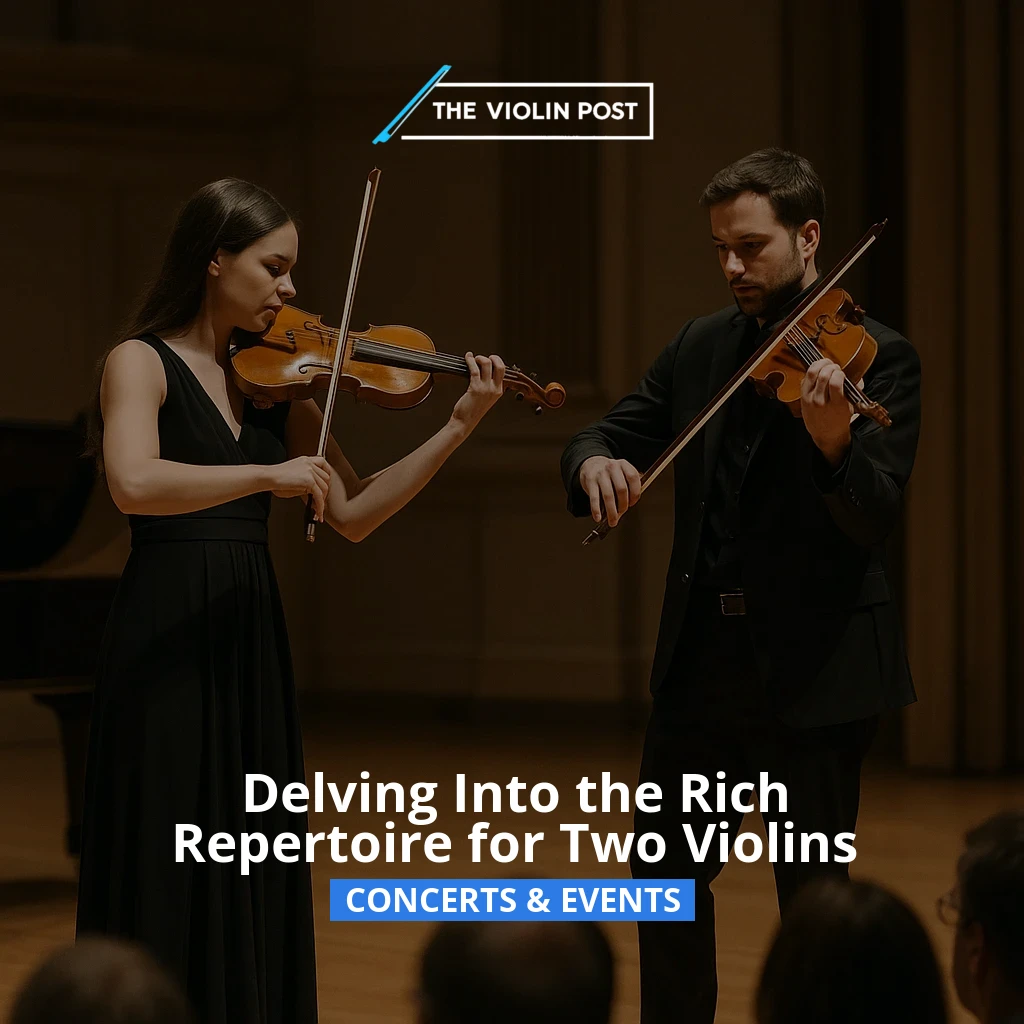
The repertoire for two violins occupies a distinctive niche in the classical music landscape, offering a canvas for intricate interplay and expressive dialogue absent of harmonic support from other instruments. This chamber format, while less common than string quartets or solo violin works, presents both technical and interpretative challenges that attract performers seeking a purer, more transparent musical conversation. Understanding this repertoire sheds light on its historical development and contemporary relevance for performers, students, and audiences alike.
Historical Foundations of Two-Violin Music
Two violins as a duet formation have roots reaching back to Baroque and Classical eras, when composers often explored the textural possibilities of equal voices engaging in contrapuntal and melodic interplay. The works from composers like Corelli and Vivaldi emphasized the dialogic potential of such pairings, allowing two instruments to converse and contrast. Moving into the Classical and Romantic periods, the repertoire expanded to include virtuosic displays and emotional depth, albeit remaining less explored compared to solo violin repertoire or larger ensembles.
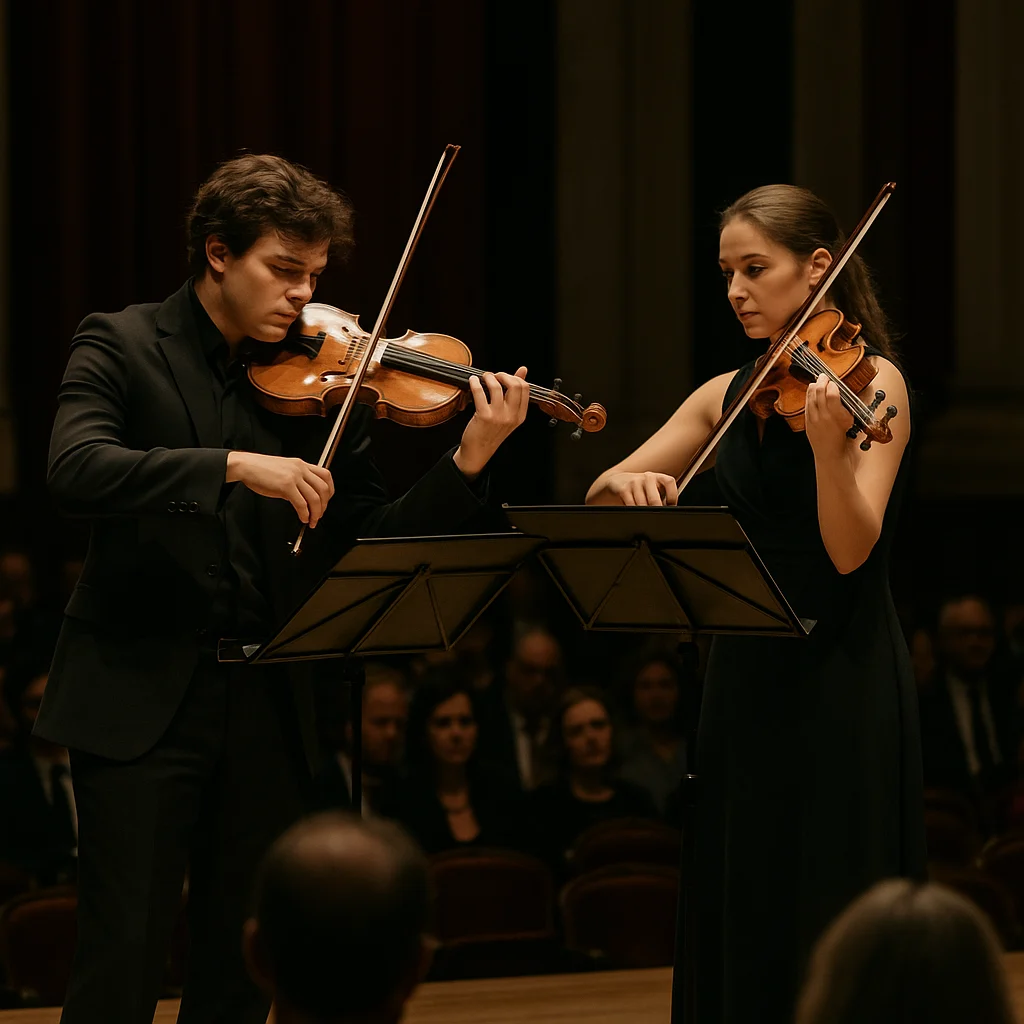
This setting’s intimacy requires a sensitivity to balance and phrasing, as each violinist must maintain independence while blending seamlessly. The limited harmonic palette—restricted to the two melodic instruments without accompaniment—challenges players to imply harmony and texture through their mutual interaction. This aspect has inspired composers to experiment with polyphony, imitation, and harmonic exploration within this restrictive but creatively stimulating framework.
The Vigour and Challenges for Performers Today
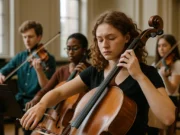
In modern performance practice, two-violin repertoire offers distinctive opportunities for artistic expression and technical development. For performers, duets provide a setting that demands heightened listening, flexibility, and cooperation. Without a harmonic backbone or rhythmic support from continuo or additional instruments, the violinists must establish rhythmic precision and harmonic clarity through their combined efforts.
From advanced students to seasoned professionals, engaging with two-violin pieces deepens ensemble skills and enriches interpretative insight. Moreover, such repertoire often appears in chamber music festivals, masterclasses, and competitions, encouraging interaction between violinists and fostering artistic partnerships that can lead to broader chamber music ventures.
Audiences, too, find in these performances a rare transparency and immediacy. The focus on two melodic lines creates an intensely personal listening experience, stripped of richer textures but enriched by intricacy and nuance. This subtlety often reveals aspects of violin tone and technique that might be obscured within larger ensembles.
Implications for the Broader String Community and Music Education
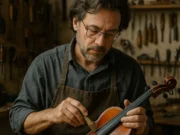
For luthiers and instrument makers, the demands of two-violin repertoire underscore the importance of tonal balance and projection. Instruments must respond with clarity in soloistic and duet contexts, highlighting craftsmanship that supports dynamic range and nuanced expression.
Within educational environments, incorporating two-violin works enhances pedagogical approaches by promoting chamber skills early in a player’s development. It encourages musical dialogue without the safety net of accompaniment, cultivating independence and interpretive decision-making.
The engagement with this repertoire also enriches classical music programming by diversifying concert offerings and spotlighting less familiar repertoire. It invites renewed attention to composers who have contributed to this genre and inspires commissions for new works, ensuring the tradition continues to evolve.
Why this matters
- The exploration of two-violin repertoire uncovers a unique and intimate chamber music tradition often overshadowed by larger ensembles.
- Performers and educators benefit from the technical and interpretative challenges posed by the duet format.
- Audiences gain access to subtle, transparent musical dialogues highlighting the expressive capabilities of the violin.
- Luthiers consider the specialized demands of duet repertoire in their craft, influencing instrument design and setup.
- The continued interest may stimulate programming diversification and the commission of new works for two violins.
Related topics
- The role of chamber music in developing ensemble skills among string players
- Historical perspectives on violin duet compositions across musical eras
- How contemporary composers approach writing for two violins
Editorial Commentary
Concert reporting matters because live performance remains the place where interpretation, repertoire, audience response, and artistic identity meet most visibly. For the string community, events like this also reveal how institutions and local scenes help sustain musical culture.
Beyond the single occasion, this kind of article helps readers understand programming choices, community engagement, and the evolving role of concerts in keeping the repertoire of the violin family present and relevant.
About The Violin Post
The Violin Post is an international editorial platform dedicated to violin making, classical performance, competitions, instruments, and the wider culture of the string world.
Its coverage connects news reporting with specialist context for readers interested in performers, makers, educators, institutions, and musical heritage.
Related Articles
- Amadeus Symphony Orchestra Collaborates with European Virtuosos in Jakarta
- Chesapeake International Chamber Music Competition Identifies New Voices in Ensemble Performance
- 2026 Singapore International Violin Competition Announces Its Winners
— The Violin Post Editorial Staff