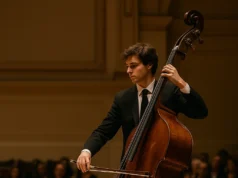










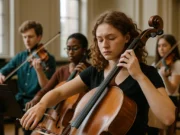






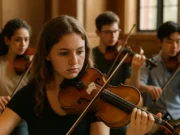


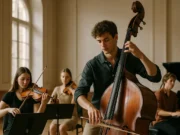




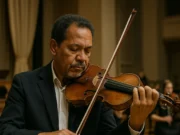
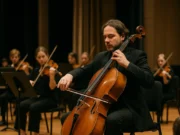
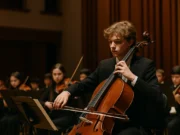

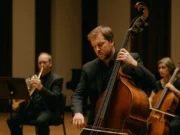


The Chesapeake International Chamber Music Competition has unveiled its winners, marking the conclusion of a highly competitive event that draws attention to ensembles dedicated to chamber music performance. The announcement signals a pivotal moment for the selected groups, offering them enhanced visibility and opportunities within the classical music community.
A Platform Elevating Emerging Chamber Ensembles
Since its inception, the Chesapeake International Chamber Music Competition has aimed to nurture and promote the finest of chamber music ensembles, fostering artistic growth and professional advancement. Participants typically comprise dynamic groups at various stages of their careers, united by a commitment to the nuanced and intimate art of chamber performance. Success at this competition often serves as a significant milestone, opening doors to concert engagements, festival invitations, and increased recognition by critics and audiences alike.
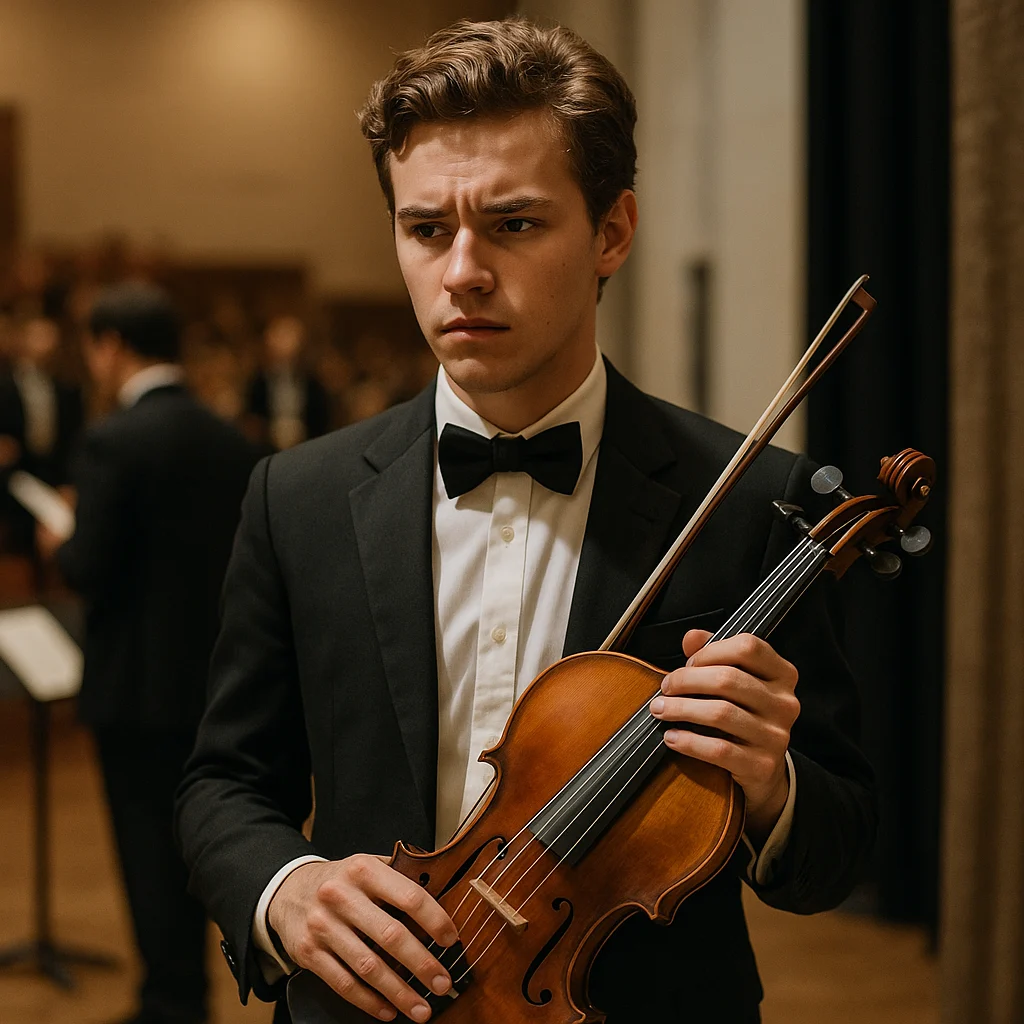
By focusing explicitly on chamber formations rather than solo artists, the competition underscores the collaborative essence of chamber music — a genre that remains vital to both performers and listeners for its blend of personal expression and collective interpretation. The process demands not only individual virtuosity but also an acute sensitivity to ensemble unity and interplay, qualities which the jurors meticulously assess.
Impact on Performers and the Broader Chamber Music Ecosystem
The importance of such competitions extends beyond the laureates themselves. For performing artists, especially younger ensembles or those seeking to establish a professional profile, the Chesapeake competition represents a valuable arena for benchmarking their artistry against international standards. Successful participants often benefit from the prestige associated with the competition, which can enhance their prospects for management contracts and recording opportunities.
Moreover, the classical music community, including presenters, educators, and audiences, look to competitions like Chesapeake to discover fresh talents and new interpretative insights into the chamber repertoire. The event reinforces the vitality of chamber music as a living tradition, essential to the sustenance of cultural heritage and innovation.
Instrument makers and luthiers may also find indirect relevance in the outcomes, as increased performance activity by winning ensembles may lead to higher demand for quality instruments and setups, ultimately influencing the craftsmanship sector.
Why this matters
- It highlights emerging chamber ensembles poised to influence the future of chamber music performance.
- Young musicians, educators, and presenters gain insights into evolving performance practices and potential collaborations.
- The competition reinforces the significance of chamber music within the classical music ecosystem, fostering its continuity and innovation.
- Success at such events can substantially impact the careers of participating musicians, affecting management, recording, and concert opportunities.
- Recognition of chamber music excellence encourages audience engagement, sustaining interest in this vital genre.
Related topics
- The role of international competitions in shaping chamber music careers.
- Collaborative dynamics: how ensemble interaction influences interpretation.
- Chamber music’s place in modern concert programming and music education.
Editorial Commentary
Concert reporting matters because live performance remains the place where interpretation, repertoire, audience response, and artistic identity meet most visibly. For the string community, events like this also reveal how institutions and local scenes help sustain musical culture.
Beyond the single occasion, this kind of article helps readers understand programming choices, community engagement, and the evolving role of concerts in keeping the repertoire of the violin family present and relevant.
About The Violin Post
The Violin Post is an international editorial platform dedicated to violin making, classical performance, competitions, instruments, and the wider culture of the string world.
Its coverage connects news reporting with specialist context for readers interested in performers, makers, educators, institutions, and musical heritage.
Related Articles
- 2026 Singapore International Violin Competition Announces Its Winners
- Lucas Chiche to Feature at North Shore Chamber Music Festival
- Dover Quartet Brings Energized Closure to Winter Chamber Fest
— The Violin Post Editorial Staff