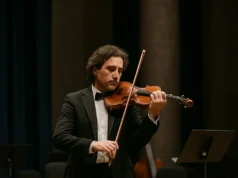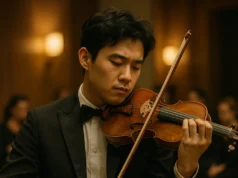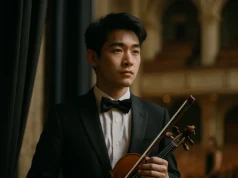

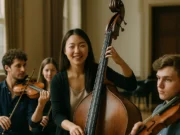
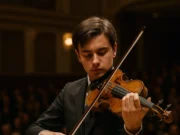
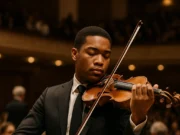
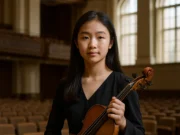
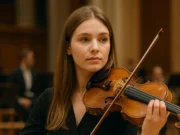
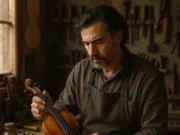
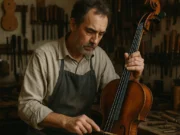
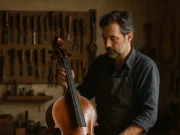
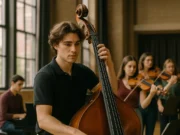
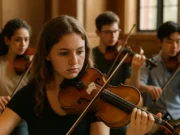
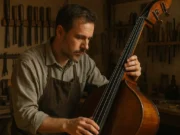
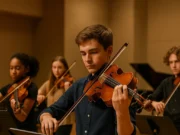
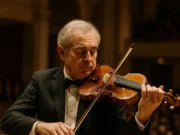
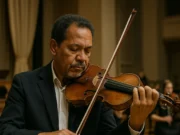

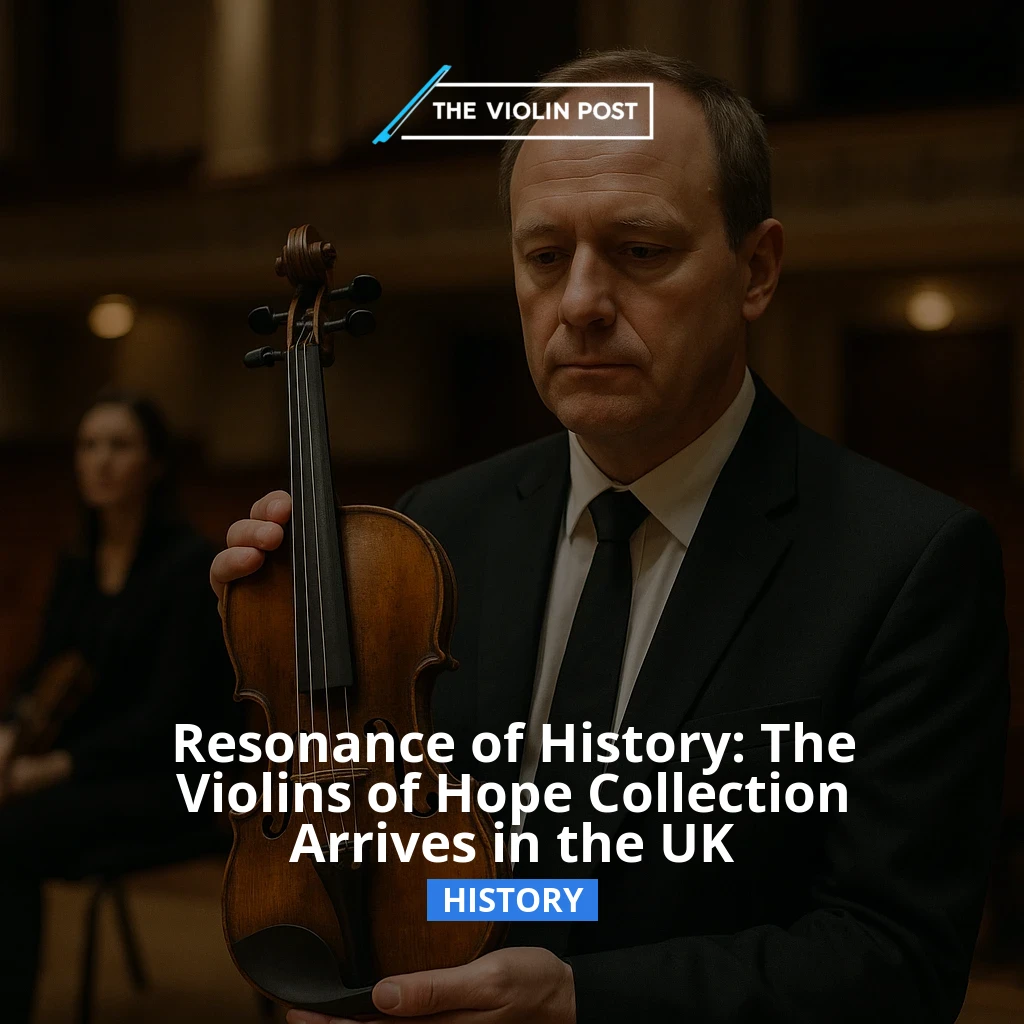
Musical instruments are often thought of as objects of art and craftsmanship, tools for performance and expression. Yet, some carry histories far beyond their physical form, resonating with stories of endurance, loss, and resilience. The recent arrival of the Violins of Hope collection in the United Kingdom is one such moment — a profound convergence of history and music housed in a collection of restored violins once owned by Jewish victims and survivors of the Holocaust.
A Collection Steeped in Memory
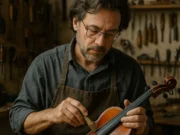
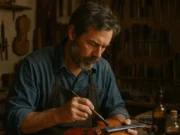
The Violins of Hope, assembled by Israeli luthier Amnon Weinstein and his son Avshalom, comprises an extraordinary array of string instruments linked directly to the horrors of the Holocaust. Each violin has been painstakingly restored not only to playable condition but also as a tangible witness to lives affected by Nazi persecution. These instruments have been silent through decades of suffering and loss; their strings, once stilled, now sing anew as they tour international venues.
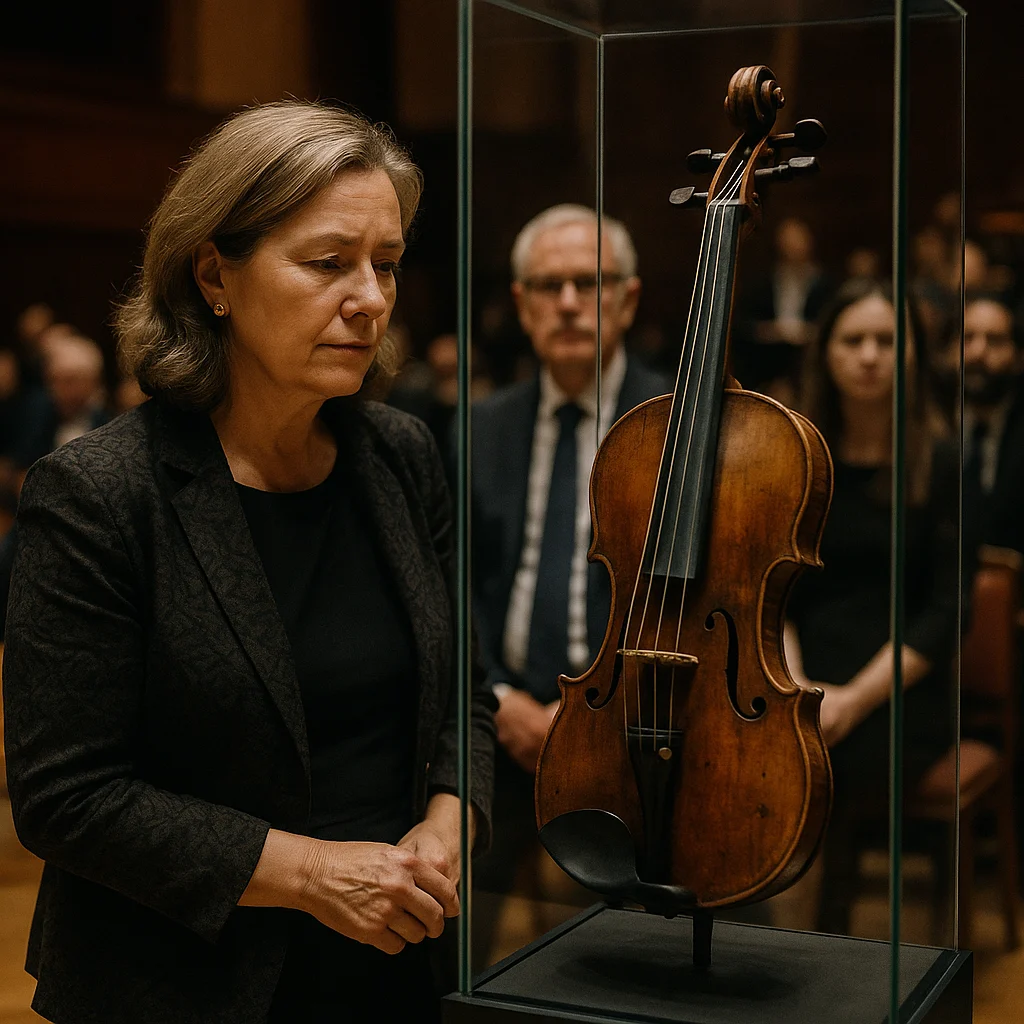
Their UK debut is more than an exhibition of rare violins; it is an evocative educational tool, illuminating the stories of those silenced during one of history’s darkest chapters. The collection has been exhibited in major cultural and educational institutions worldwide, fostering deep reflection through concerts, workshops, and lectures that intertwine the history of the Holocaust with the universal language of music.
Reverberations Across the Classical Music Community
For performers, educators, and audiences in the UK, the Violins of Hope offer a particularly poignant opportunity. The instruments provide a direct link to the past, enabling musicians to engage with layers of history embedded within their timbres. For students and educators, the collection serves as a living resource that bridges music, history, and remembrance, encouraging dialogue about resilience, identity, and the role of art in healing.
Luthiers and collectors also encounter in the Violins of Hope a reminder of the profound cultural heritage intertwined with violin craftsmanship. These are not only instruments of exceptional quality but carriers of stories which continue to inspire commitment to preservation and respectful stewardship of historical artifacts.
Furthermore, the collection’s presence in the UK supports broader intercultural exchange within the classical music ecosystem. It emphasizes the power of music as a connector across communities and generations, underscoring the importance of safeguarding musical heritage against the erasure wrought by conflict and discrimination.
As the Violins of Hope tour unfolds across the UK, it beckons the classical music world and the wider public alike to listen beyond the notes — to hear echoes of a past that informs our present cultural landscape.
Why this matters
- The collection brings Holocaust history into direct dialogue with musical artistry, enriching cultural understanding.
- It offers performers and educators a unique, tangible connection to historical narratives through instrument heritage.
- By reviving instruments silenced by persecution, it highlights the resilience of culture and the enduring power of music.
- The exhibition fosters awareness among audiences, encouraging remembrance and intercultural empathy.
- It underscores the vital role of luthiers and collectors in preserving instruments as historical and cultural artifacts.
Related topics
- The role of historic instruments in shaping contemporary performance practice
- Music as a medium for Holocaust education and remembrance
- Preservation challenges and ethical considerations in restoring cultural heritage violins
Editorial Commentary
Historical coverage is essential because the string world is built on continuity: repertories, techniques, schools of craftsmanship, and performance traditions all gain meaning when they are understood in relation to what came before.
Articles like this therefore do more than document the past; they help readers interpret the present through a stronger awareness of musical heritage and of the people and ideas that shaped it.
About The Violin Post
The Violin Post is an international editorial platform dedicated to violin making, classical performance, competitions, instruments, and the wider culture of the string world.
Its coverage connects news reporting with specialist context for readers interested in performers, makers, educators, institutions, and musical heritage.
Related Articles
- Flint’s Black History Month Celebrations: A Cultural Reflection Beyond Music
- Violins of Hope Bring Resonant Testimony to Sioux City
- Breaking Barriers: The Emergence of the First Recorded Black Female Violin Maker
— The Violin Post Editorial Staff