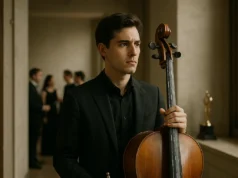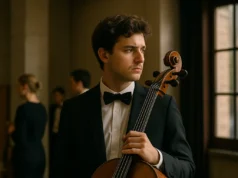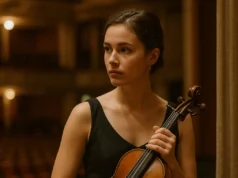

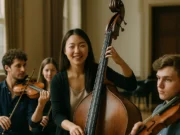
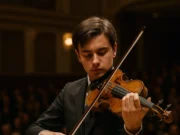
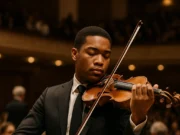
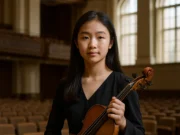





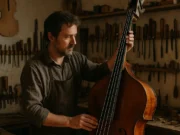
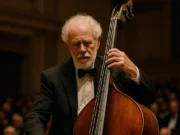
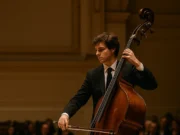
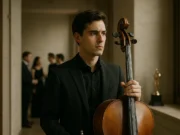
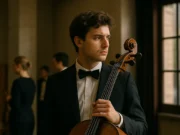
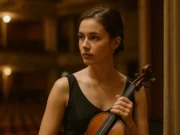
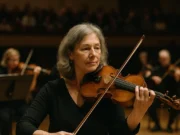
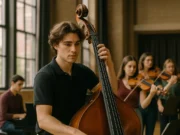




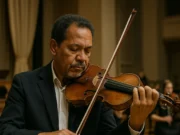
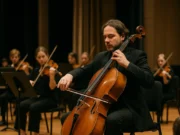
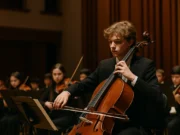

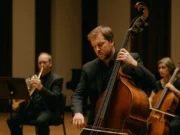

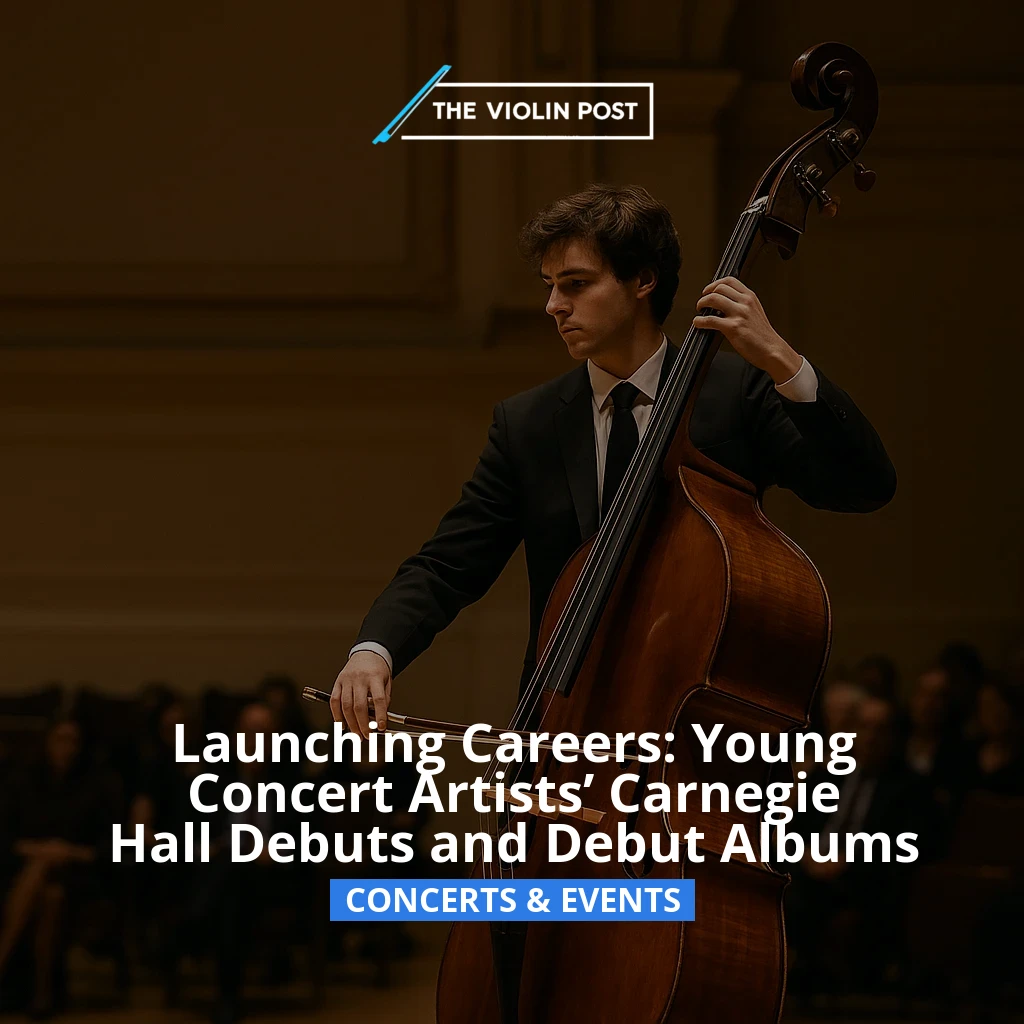
The debut recital at Carnegie Hall symbolizes a milestone for emerging classical musicians, marking a transition from gifted students to professional artists. This platform, coupled with the production of debut albums, plays a crucial role in shaping the careers of young performers in today’s competitive musical landscape.
Young Concert Artists’ Role in Fostering Talent
Founded with the mission to identify and promote exceptional young musicians, Young Concert Artists (YCA) has long been a pivotal organization in the classical music ecosystem. By selecting artists after rigorous auditions, YCA offers not only high-profile concert appearances but also management, career guidance, and recording opportunities. The recent announcement that YCA artists will perform debuts at Carnegie Hall and produce debut albums underscores the organization’s continued influence in nurturing early-career musicians.
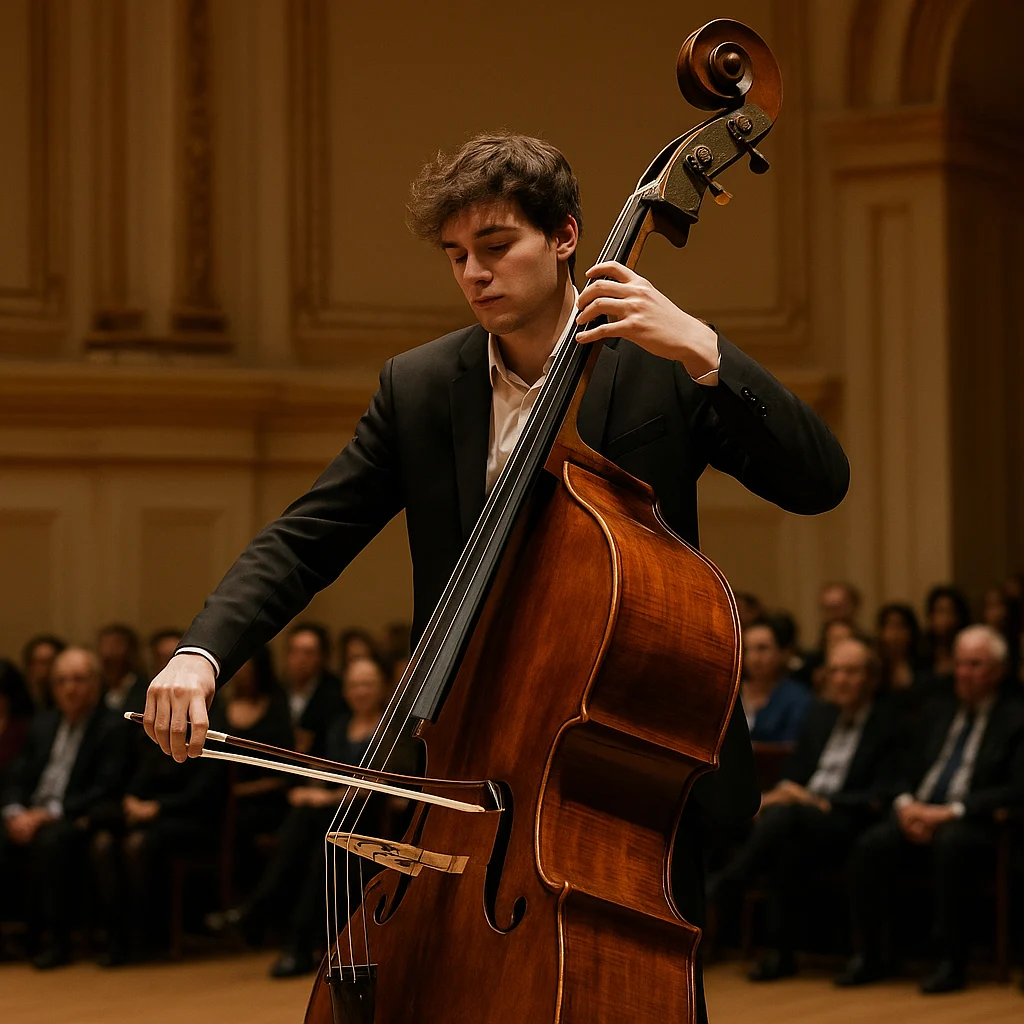
For young violinists, violists, cellists, double bassists, and other instrumentalists, such debuts serve as crucial exposure. Carnegie Hall’s prestigious reputation grants their performances immediate visibility among critics, industry professionals, and discerning audiences. The debut albums complement these live appearances, allowing artists to capture their interpretations and artistic identity for wider dissemination, reaching a global audience beyond concert halls.
Significance for Performers and Beyond
The journey from student to professional musician hinges on opportunities that showcase an artist’s unique voice and potential. Performing at Carnegie Hall, often regarded as a rite of passage, offers more than a venue; it confers critical validation. Simultaneously, debut albums provide tangible artifacts of an artist’s musicianship, essential in an era where recorded media coexist with live experiences.
These developments also reverberate through the broader classical music community. Orchestras and festival directors often look to organizations like YCA when scouting fresh talent. For luthiers, makers, and collectors, emerging artists represent the future custodians of fine instruments, shaping demand and innovations. Music educators and students can view these milestones as aspirational benchmarks, while audiences gain access to new interpretations and voices that enrich the repertoire.
Moreover, the process of preparing for such debuts demands maturational growth, technical refinement, and interpretative depth. The combination of performance and recording challenges young artists to develop resilience and adaptability, qualities necessary for sustainable careers.
Looking Ahead: The Evolving Landscape for Emerging Artists
As the classical music field evolves with digital advancements and shifting audience engagement, organizations like Young Concert Artists continue to bridge tradition and innovation. The commitment to both live debuts and album production suggests a holistic approach to career development, balancing the irreplaceable experience of live concerts with the enduring impact of recorded works.
Future artists emerging from YCA’s roster will likely navigate a landscape enriched by technology yet anchored by foundational milestones such as Carnegie Hall debuts. Their success can inspire institutions and industry leaders to sustain and expand support mechanisms that propel promising talent into the spotlight.
Why this matters
- Carnegie Hall debuts remain a defining career milestone, signaling a transition to professional artistry.
- Debut albums extend artists’ reach beyond live audiences, essential in a digitized music market.
- Performers, educators, and industry professionals observe these milestones as markers of emerging talent and future potential.
- These opportunities reinforce the role of arts organizations in nurturing the next generation of classical musicians.
- The integration of performance and recording experiences equips young artists with skills needed for evolving career demands.
Related topics
- How competitions shape young violin careers
- Why venue programming still matters in chamber music
- What this trend means for modern lutherie
Editorial Commentary
Concert reporting matters because live performance remains the place where interpretation, repertoire, audience response, and artistic identity meet most visibly. For the string community, events like this also reveal how institutions and local scenes help sustain musical culture.
Beyond the single occasion, this kind of article helps readers understand programming choices, community engagement, and the evolving role of concerts in keeping the repertoire of the violin family present and relevant.
About The Violin Post
The Violin Post is an international editorial platform dedicated to violin making, classical performance, competitions, instruments, and the wider culture of the string world.
Its coverage connects news reporting with specialist context for readers interested in performers, makers, educators, institutions, and musical heritage.
Related Articles
- 2026 Fischoff Chamber Music Competition Reveals Winners, Spotlighting Emerging Talent in Chamber Music
- The 2026 Chesapeake Chamber Music Competition: A Continuing Platform for Emerging Ensembles
- The 2026 Lyon International Chamber Music Competition: A New Chapter for Emerging Ensembles
— The Violin Post Editorial Staff