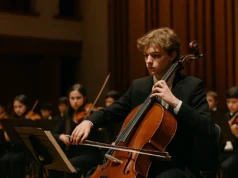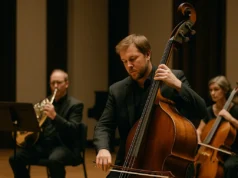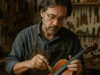

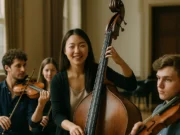
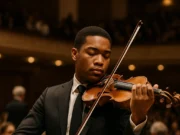
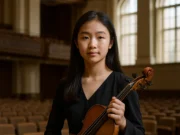
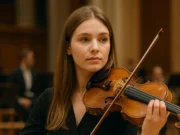
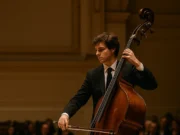
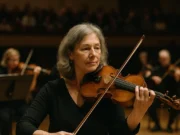
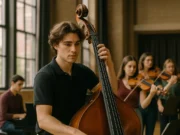
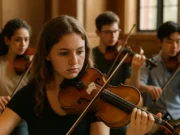
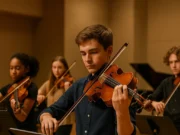
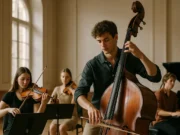
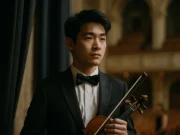
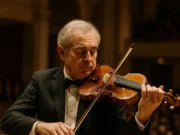
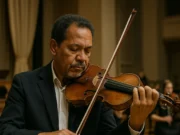
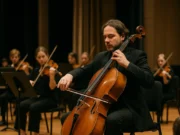
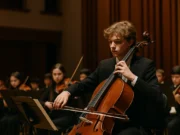
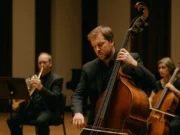
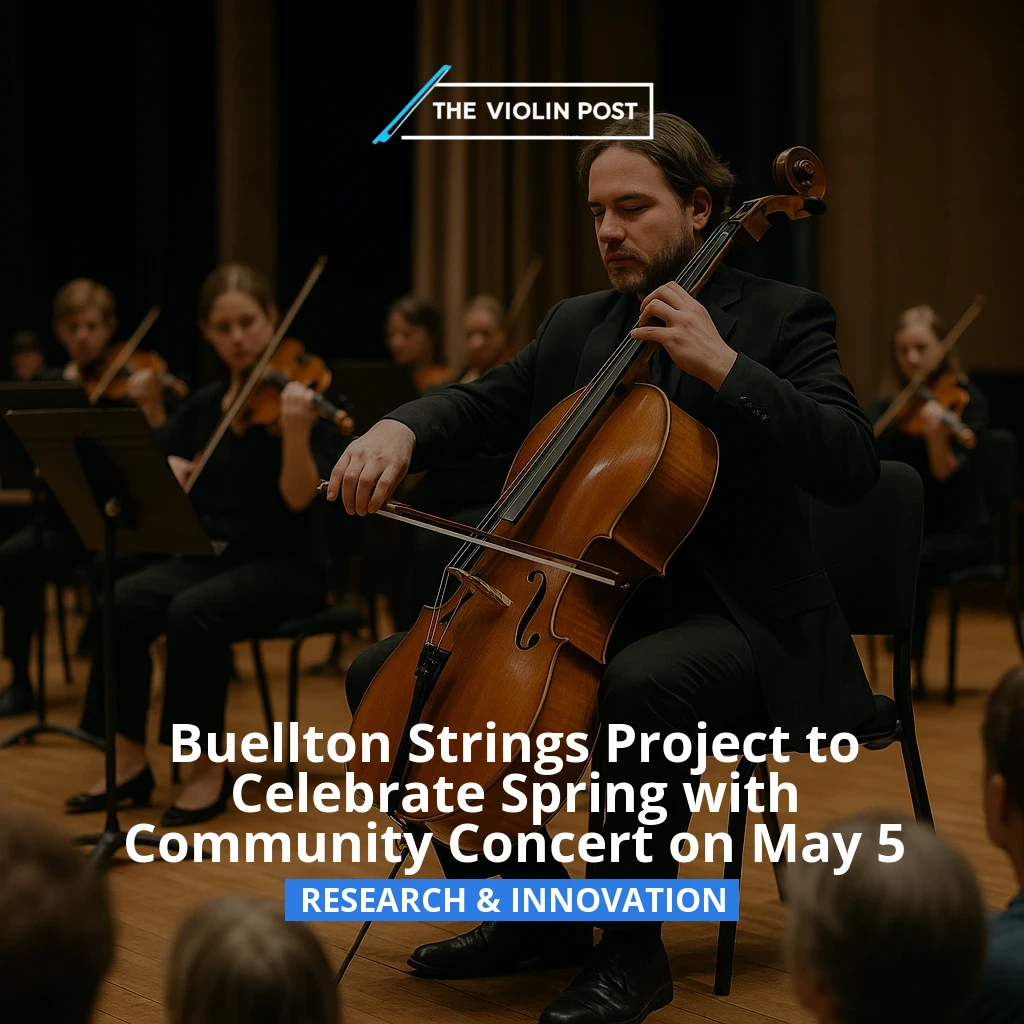
In the heart of California’s Central Coast, the Buellton Strings Project is preparing to present its annual spring concert on May 5, underscoring its ongoing commitment to nurturing string players and engaging classical music enthusiasts in the Santa Maria region and beyond.
A Platform for Emerging String Musicians
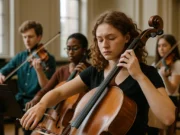
Since its inception, the Buellton Strings Project has aimed to bridge the gap between passionate string instrument students and seasoned professionals. This initiative provides a rare and invaluable platform where violinists, violists, cellists, and bassists can perform in an intimate chamber music setting. The spring concert serves as a culminating event for participants to showcase their developing artistry cultivated through mentorship, coaching, and collaborative rehearsals that the project facilitates throughout the year.
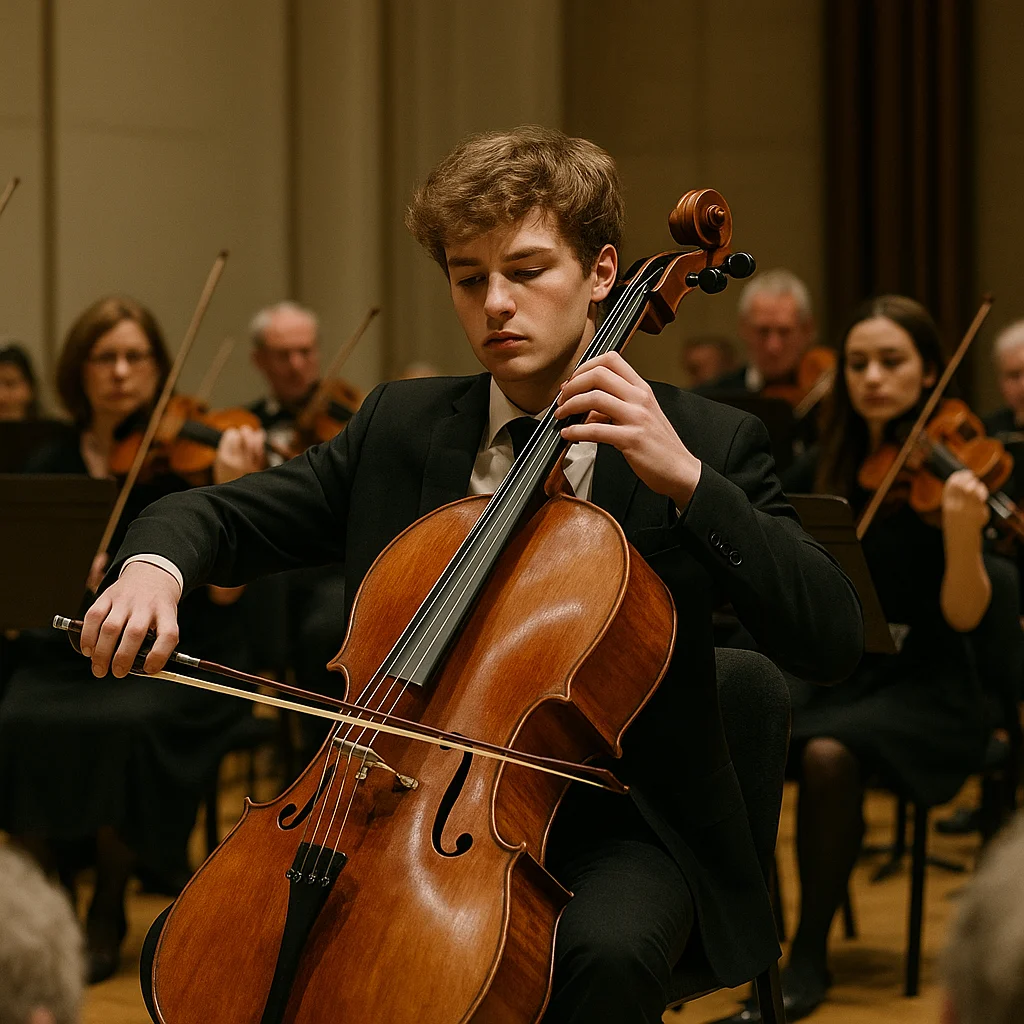
Performers benefit not only from performance experience but also from exposure to finely tuned ensemble playing, a cornerstone of classical music proficiency. The event thus supports the professional development of young musicians who aspire to deepen their interpretative skills and stage confidence, essential for future careers in orchestras, chamber groups, or solo endeavors.
Community Engagement and Cultural Enrichment
Beyond the musicians themselves, the Buellton Strings Project fosters strong community engagement by bringing classical music to local audiences who may have limited access to such performances. The spring concert is a cultural highlight for Santa Maria and surrounding areas, providing residents an opportunity to experience live chamber music in a welcoming setting.
This engagement nurtures an appreciation of the string repertoire among audiences and encourages lifelong support for classical music institutions and educational programs. Institutions and educators benefit as well, as such projects complement formal music education by offering real-world performance experiences.
In the broader ecosystem of classical music on the West Coast, initiatives like the Buellton Strings Project contribute to sustaining the pipeline of well-rounded string players. They exemplify how local efforts can enrich the international tradition of violin and string chamber music through grassroots development.
Looking Ahead
The upcoming concert on May 5 promises to be a meaningful occasion not only for the performers but also for families, educators, and classical music supporters. It remains a testament to how dedicated local projects can play a pivotal role in the cultural vitality and musical education of their communities.
As audiences anticipate the performances, the Buellton Strings Project looks toward continued growth, fostering future collaborations and expanding its reach among aspiring string musicians in the years ahead.
Why this matters
- The Buellton Strings Project cultivates emerging talent by providing vital performance and mentorship opportunities.
- It strengthens the cultural fabric of the Santa Maria region by making classical chamber music accessible to local audiences.
- Musicians, educators, and audiences alike gain from the project’s role in supplementing formal musical training with practical ensemble experience.
- Its efforts contribute to sustaining the classical string tradition within a vibrant community context.
- Readers should watch for future concerts and initiatives from this project as a barometer for grassroots classical music development.
Related topics
- The role of chamber music projects in shaping young string players’ careers
- Community-based classical music initiatives and their impact on audience development
- Connecting music education with public performance: Challenges and opportunities in regional settings
Editorial Commentary
Research and innovation stories matter because they reveal how the world of string instruments continues to evolve through acoustics, materials science, pedagogy, technology, and new forms of collaboration between artists and specialists.
For readers of a specialist publication, this broader perspective is useful in understanding which developments may influence the future of performance, instrument making, conservation, and audience experience.
About The Violin Post
The Violin Post is an international editorial platform dedicated to violin making, classical performance, competitions, instruments, and the wider culture of the string world.
Its coverage connects news reporting with specialist context for readers interested in performers, makers, educators, institutions, and musical heritage.
Related Articles
- Buellton Strings Project Gears Up for Spring Concert in Santa Ynez Valley
- MIT Develops Virtual Violin that Mimics Authentic Sound Characteristics
- Exploring the Resonant Blend of French Horn and Strings in New Mexico Tech’s Presidential Chamber Music Series
— The Violin Post Editorial Staff