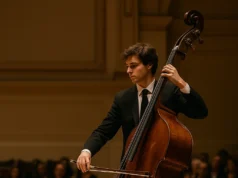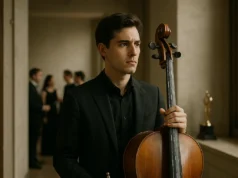




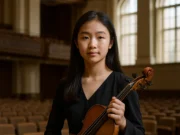






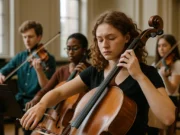










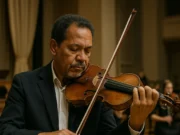
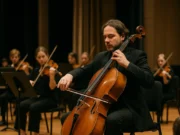
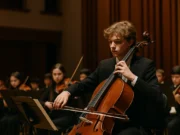

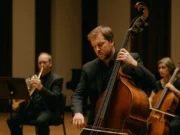

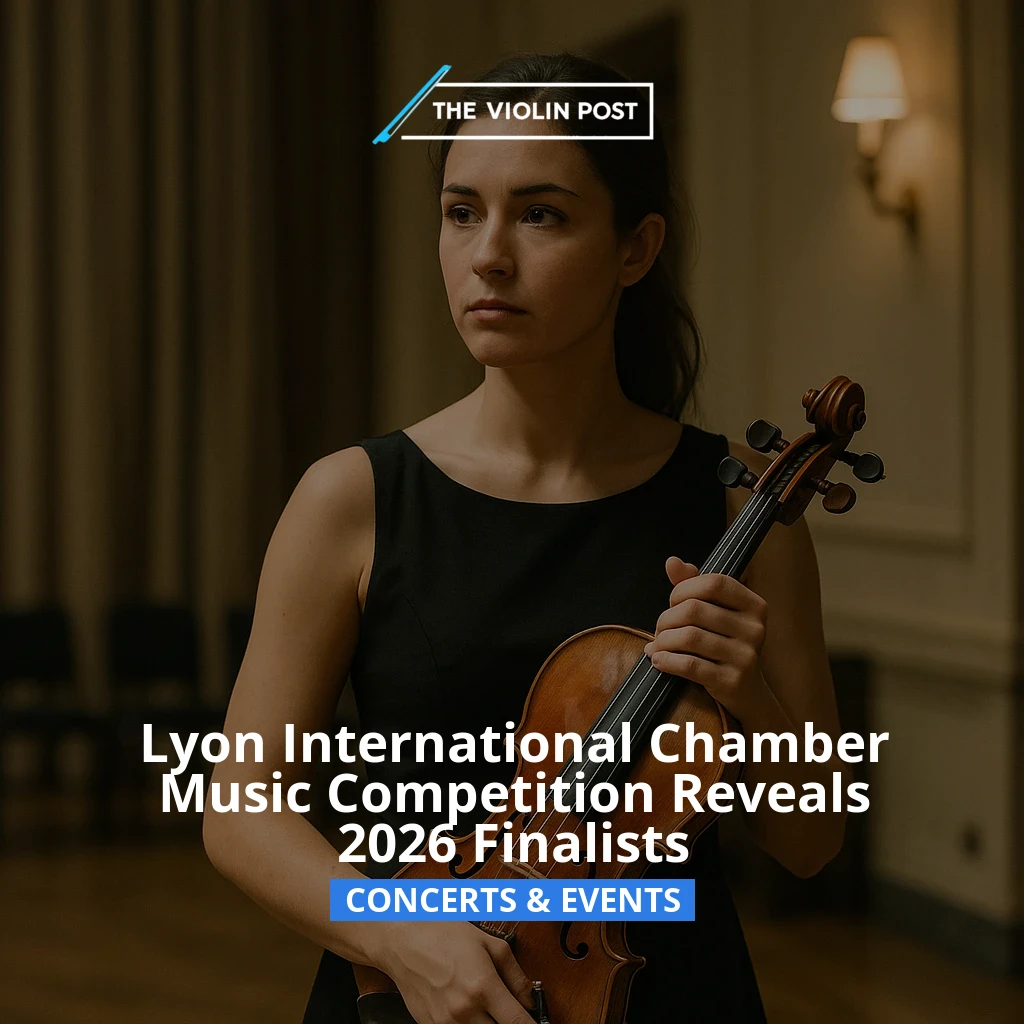
The Lyon International Chamber Music Competition, a prestigious event that spotlights exceptional chamber ensembles worldwide, has disclosed the list of finalists for its 2026 edition. This announcement marks a significant moment not only for the musicians selected to advance but also for the wider classical community invested in the future of chamber music performance and interpretation.
A Platform for Developing Chamber Ensembles
Since its inception, the Lyon Competition has served as a catalyst for rising chamber groups by providing critical exposure, intensive artistic exchange, and opportunities for professional growth. Entry into the finals reflects these ensembles’ mastery of both technical demands and expressive subtleties inherent to chamber repertoire. It is a testament to their cohesion, interpretative depth, and musicianship that judges recognize at this advanced stage of the contest.
For the participants, this represents a culmination of rigorous preparation and artistic ambition. The competition’s demands extend beyond flawless execution, challenging ensembles to convey profound narratives through repertoire that spans classical staples to contemporary works. The rigorous selection process that culminated in naming finalists underscores the competition’s role in identifying artists whose potential goes beyond technical proficiency alone.
Implications for Performers and the Musical Ecosystem
Finalists in such competitions often encounter new doors opening—from engagements with renowned festivals and orchestras to recording contracts and international touring opportunities. For chamber musicians, these platforms contribute indispensably to building sustainable careers in a highly competitive field. This particular competition’s standing in Europe ensures that finalists receive critical attention from impresarios, critics, and fellow musicians.
Institutions and audiences also stand to benefit. The competition’s rigorous standards and diverse repertoire choices stimulate programming innovation for concert presenters and contribute to the ongoing vitality of chamber music. For educators and students, observing the finalists’ performances offers insights into contemporary interpretive trends and the technical advancements shaping the art form’s evolution.
Looking Ahead
As the 2026 Lyon International Chamber Music Competition approaches its final stages, the musical community keenly anticipates how these ensembles will present their artistry. Beyond the immediate awards and recognitions, the event represents a moment where tradition meets innovation, reflecting chamber music’s enduring relevance.
The competition continues to embed itself within the classical music ecosystem as a meaningful venue where emerging talents reveal themselves, linking the historical lineage of chamber repertoire with fresh perspectives. The finalists’ journey embodies the aspirational path for many musicians devoted to this intimate and collaborative musical medium.
Why this matters
- The announcement signals an important milestone for promising chamber ensembles, marking their potential influence on the future soundscape of classical music.
- Performers, managers, educators, and audiences are directly impacted by the competition’s choices and outcomes, affecting programming and career development.
- It underscores ongoing vitality and renewal in chamber music, a genre at the heart of classical tradition and innovation.
- The competition highlights crucial platforms that support emerging artists beyond individual instruments to collective musical voices.
Related topics
- The role of competitions in shaping collaborative chamber music careers.
- Evolution of repertoire choices in contemporary chamber music events.
- How exposure from international competitions impacts audience engagement with chamber music.
Editorial Commentary
Concert reporting matters because live performance remains the place where interpretation, repertoire, audience response, and artistic identity meet most visibly. For the string community, events like this also reveal how institutions and local scenes help sustain musical culture.
Beyond the single occasion, this kind of article helps readers understand programming choices, community engagement, and the evolving role of concerts in keeping the repertoire of the violin family present and relevant.
About The Violin Post
The Violin Post is an international editorial platform dedicated to violin making, classical performance, competitions, instruments, and the wider culture of the string world.
Its coverage connects news reporting with specialist context for readers interested in performers, makers, educators, institutions, and musical heritage.
Related Articles
- Delving Into the Rich Repertoire for Two Violins
- Amadeus Symphony Orchestra Collaborates with European Virtuosos in Jakarta
- Chesapeake International Chamber Music Competition Identifies New Voices in Ensemble Performance
— The Violin Post Editorial Staff