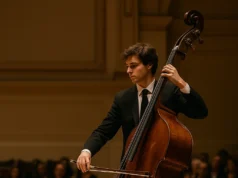









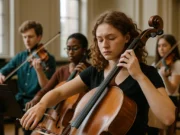
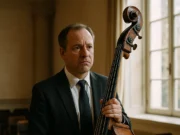
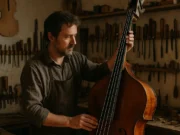
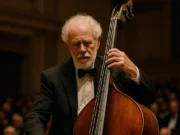
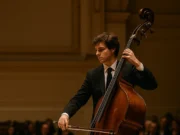
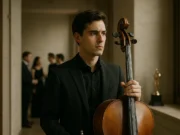

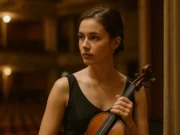

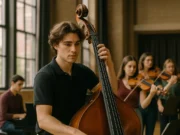
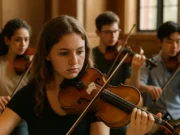

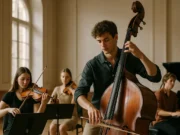
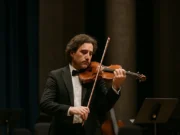
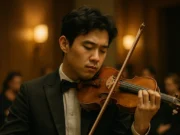

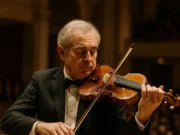
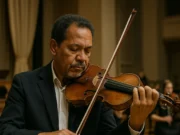
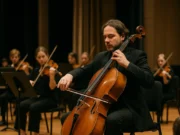
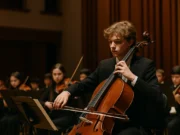

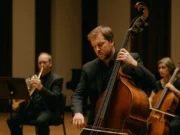

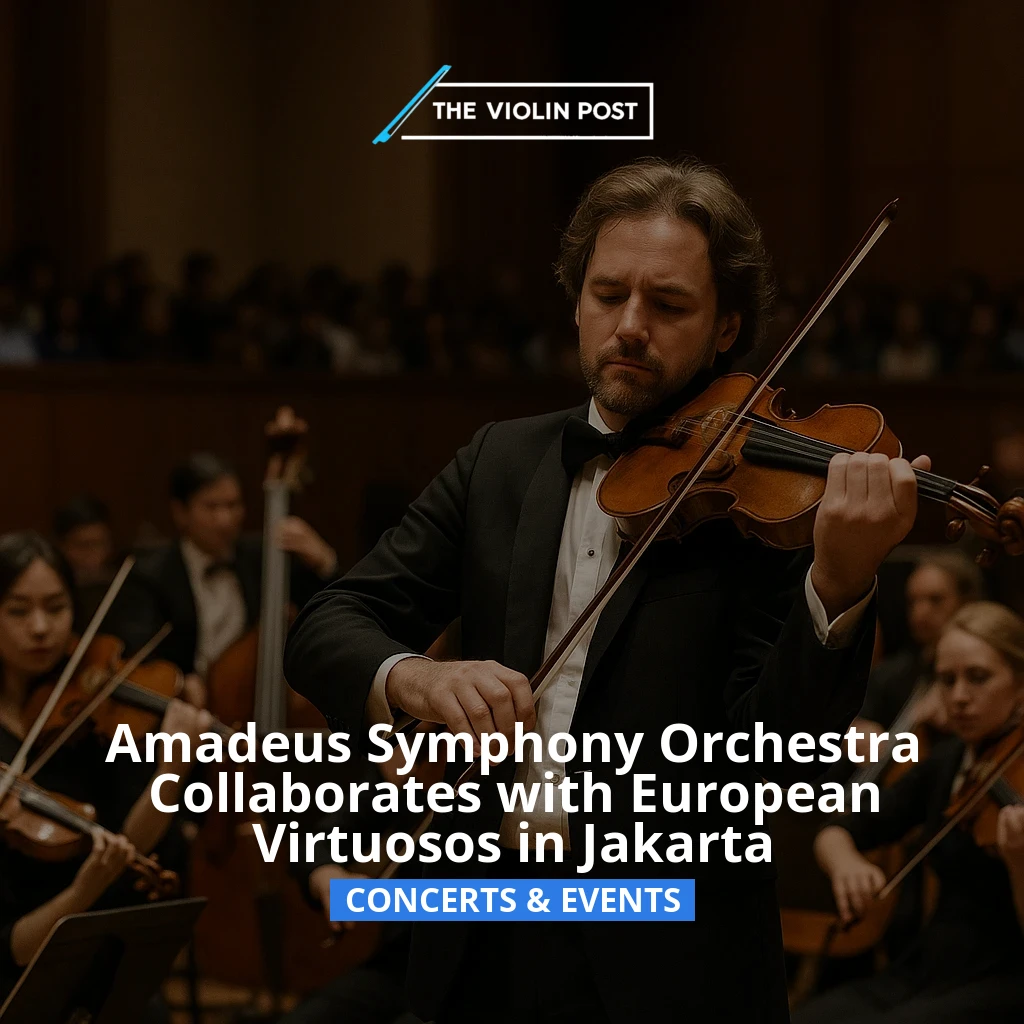
Jakarta’s classical music audience was treated to a rare cultural convergence when the Amadeus Symphony Orchestra joined forces with European virtuosos for a special concert. This collaboration highlighted both the orchestra’s commitment to artistic growth and the growing ties between Southeast Asian and European classical music traditions.
A Meeting of Musical Traditions
The Amadeus Symphony Orchestra has long been a pivotal ensemble within Jakarta’s classical community, known for its versatility and dedication to elevating local musicianship. Their recent performance with European soloists represents more than a mere concert; it serves as a bridge between geographically and culturally distinct classical music traditions. The presence of European virtuosos on the Jakarta stage not only infuses the program with interpretive depth but also offers local performers and audiences a glimpse into diverse artistic perspectives shaped by centuries-old European classical heritage.
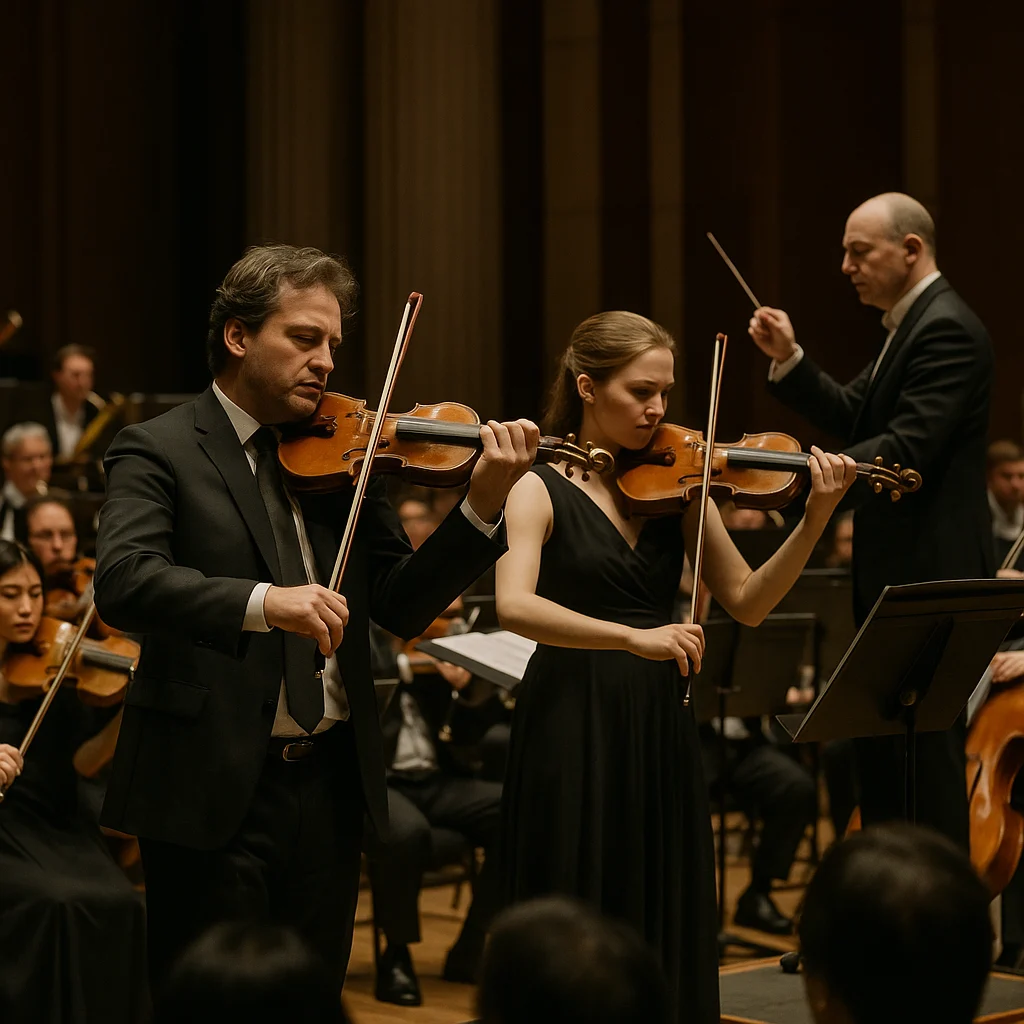
Collaborations of this nature often inspire fresh approaches to interpretation, technique, and repertoire choice. They provide Indonesian orchestral musicians with invaluable opportunities to engage directly with established artists from the European classical tradition—exchange that is crucial in maintaining rigorous standards and evolving performance practice in global contexts.
Implications for Local and Regional Classical Music Ecosystem
For performers, such encounters nurture professional development and broaden artistic horizons. Students and emerging musicians benefit indirectly, as orchestras leverage these experiences to enhance educational outreach and mentorship programs. Moreover, audiences in Jakarta gain access to world-class artistry without the barriers of travel, helping to cultivate a more vibrant and informed listener base.
On a broader scale, this event underscores Jakarta’s growing prominence as a hub capable of hosting international classical music collaborations. It reflects a wider trend in the global music ecosystem where cultural exchange facilitates shared artistic growth and helps sustain classical music’s relevance in diverse settings.
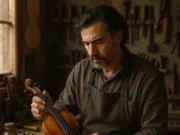
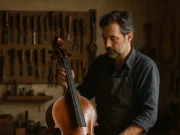
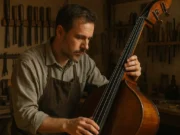
Instrument makers and luthiers in Indonesia and the region are also part of this ecosystem; such high-caliber performances often stimulate interest in quality craftsmanship and may influence local demand and standards.
Looking Ahead
As orchestras worldwide seek innovative ways to engage audiences and foster artistic excellence, cross-border collaborations like this one become increasingly vital. The Amadeus Symphony Orchestra’s partnership with European soloists in Jakarta is a model for future endeavors aiming to enrich cultural dialogue and deepen the appreciation of classical music’s universality.
Continued support for these initiatives by promoters, institutions, and cultural policymakers will be essential to sustain momentum and further integrate Southeast Asia into the global classical music network.
Why this matters
- It highlights the importance of international artistic collaboration in enriching local music culture.
- Indonesian performers and students gain exposure to European classical traditions and artistic standards.
- Audiences experience diverse interpretive styles, enhancing appreciation and engagement.
- Shows Jakarta’s capacity to be an international classical music center, influencing regional cultural development.
- Sets a precedent for future cultural exchanges that support classical music’s global vitality.
Related topics
- The role of international collaborations in advancing orchestral performance standards
- How cultural exchanges impact emerging classical music scenes in Southeast Asia
- Influence of global artist residencies and guest appearances on local musician development
Editorial Commentary
Concert reporting matters because live performance remains the place where interpretation, repertoire, audience response, and artistic identity meet most visibly. For the string community, events like this also reveal how institutions and local scenes help sustain musical culture.
Beyond the single occasion, this kind of article helps readers understand programming choices, community engagement, and the evolving role of concerts in keeping the repertoire of the violin family present and relevant.
About The Violin Post
The Violin Post is an international editorial platform dedicated to violin making, classical performance, competitions, instruments, and the wider culture of the string world.
Its coverage connects news reporting with specialist context for readers interested in performers, makers, educators, institutions, and musical heritage.
Related Articles
- Chesapeake International Chamber Music Competition Identifies New Voices in Ensemble Performance
- 2026 Singapore International Violin Competition Announces Its Winners
- Lucas Chiche to Feature at North Shore Chamber Music Festival
— The Violin Post Editorial Staff