




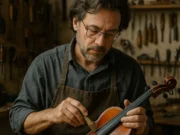

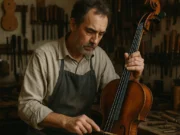

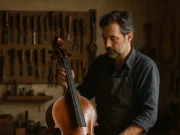













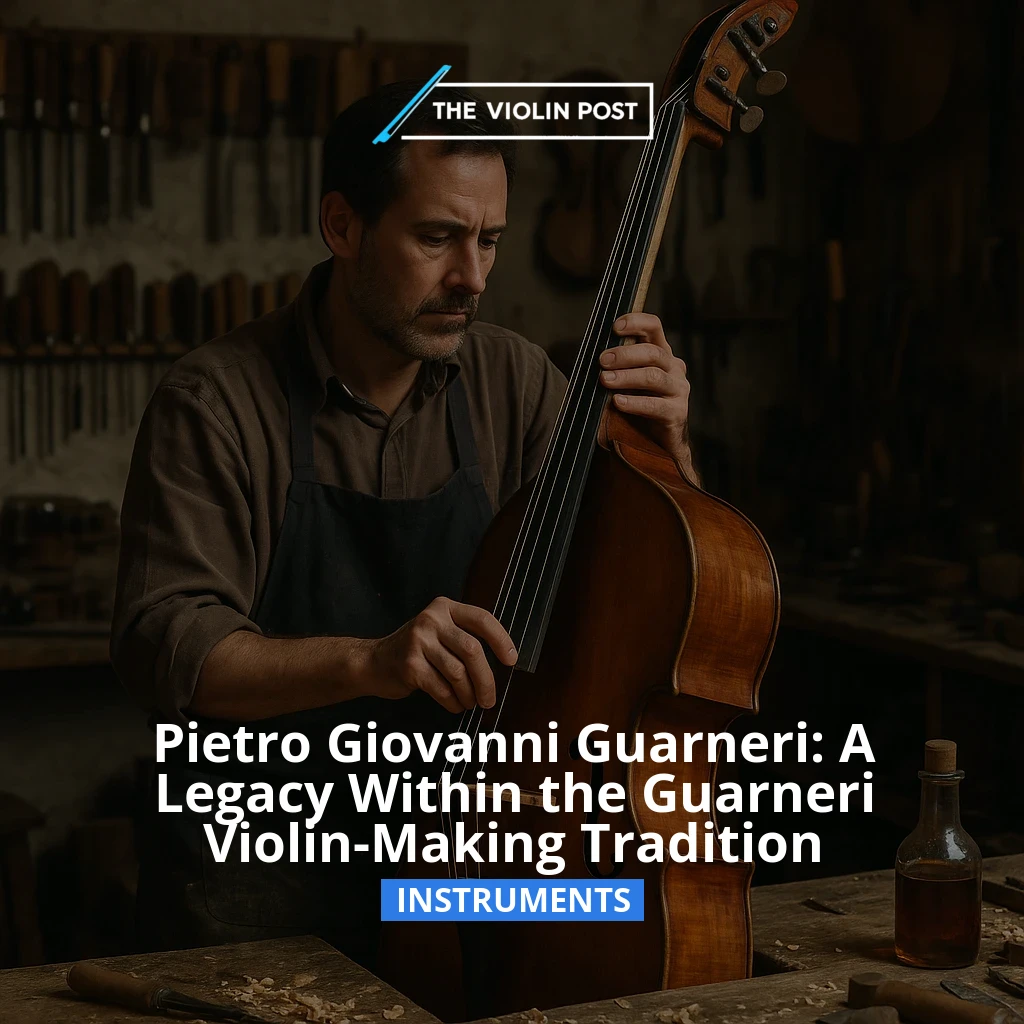
The name Guarneri resonates profoundly within the world of string instruments, particularly violins, embodying centuries of refined craftsmanship that has shaped the soundscape of classical music. Among the family members, Pietro Giovanni Guarneri stands as a notable figure whose contributions, while sometimes eclipsed by more prominent relatives, remain integral to understanding the evolution and dissemination of the Guarneri violin-making tradition.
Contextualizing Pietro Giovanni Guarneri Within the Guarneri Dynasty
Emerging from the fertile Cremonese environment that birthed some of the finest luthiers in history, Pietro Giovanni was part of a lineage that directly influenced both the art and science of violin making. The Guarneri family, active during the late 17th and early 18th centuries, rivaled the legendary Stradivari workshop, producing instruments renowned for their deep, powerful tone and distinctive design elements. Pietro Giovanni, often referred to in historical sources as “Pietro da Mantova” to distinguish him from other family members, carried forth these traditions with a personal touch that has intrigued historians and musicians alike.
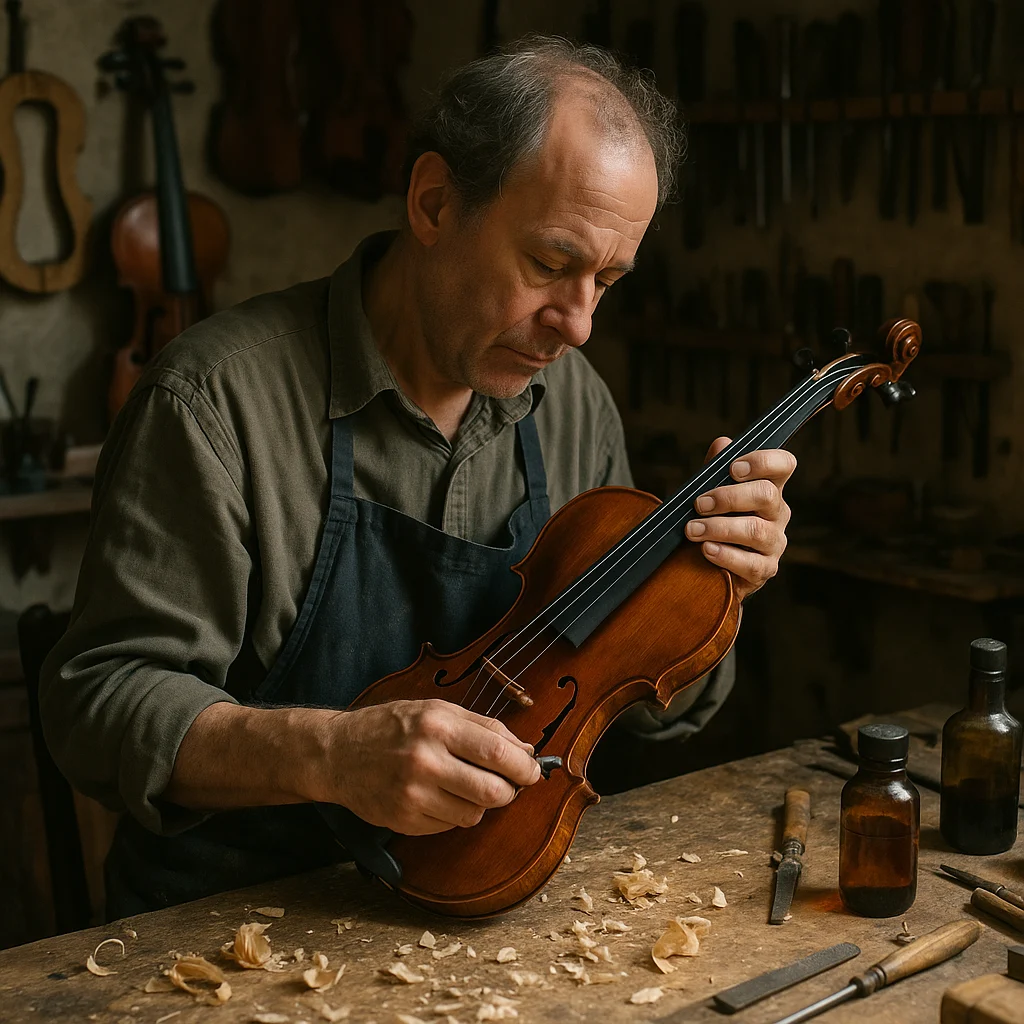
While his grandfather Andrea Guarneri and great-uncle Giuseppe Guarneri “del Gesù” have drawn considerable scholarly attention, Pietro’s career highlights the dynamics of regional influences as he eventually established his own workshop away from Cremona, specifically in Mantua. This relocation underscores the dissemination of Cremonese techniques beyond their original geographical confines, enabling a broader impact on Italian violin making and beyond.
The Significance of Pietro Giovanni’s Work for Performers and Collectors
Pietro Giovanni Guarneri’s instruments exhibit qualities that are highly regarded by performers and connoisseurs. His violins are characterized by meticulous craftsmanship, often combining Cremonese traditions with individualistic aesthetics and acoustical properties. These instruments serve not only as performers’ tools but also as historical artifacts that connect players to a rich lineage of string instrument making.
For contemporary orchestras and soloists seeking nuanced tonal palettes, instruments bearing Pietro Giovanni’s hand provide an essential voice. Meanwhile, collectors and museums view his violins and violas as key representatives of the Guarneri legacy, offering tangible links to the golden age of Italian lutherie. His works also play a vital role in lutherie education, acting as benchmarks for aspiring makers who study the techniques and materials that contributed to the unique sound quality of Guarneri instruments.
Moreover, understanding Pietro Giovanni’s trajectory contributes to broader discussions about the evolution of violin building techniques, regional stylistic differences, and workshop practices during a pivotal period in classical music history. His presence in Mantua highlights how Cremonese methods were adapted and personalized, influencing local musical cultures and the European instrument market.
Looking Ahead: Pietro Giovanni Guarneri’s Enduring Influence
As scholarship continues to uncover details about the Guarneri family’s extensive output, Pietro Giovanni remains a fascinating subject for luthiers, historians, and performers. Renewed interest in his work presents opportunities for deeper appreciation of the subtle distinctions within the Guarneri corpus and how individual members contributed to its enduring prestige.
Future research and technological analysis of his instruments’ varnishes, wood choices, and structural designs promise to yield insights beneficial to makers seeking to recreate or innovate upon historical models. Musicians exploring period performance practices might also find inspiration in the authentic sounds produced by Pietro Giovanni’s violins, adding depth and authenticity to their interpretations.
Why this matters
- Highlights a noteworthy but sometimes overlooked figure in the Guarneri family’s violin-making tradition.
- Informs performers and collectors about the historical and acoustic value of Pietro Giovanni’s instruments.
- Provides context for the diffusion of Cremonese lutherie techniques throughout Italy in the early 18th century.
- Supports ongoing lutherie education and scholarship through the study of distinct regional and familial styles.
- Encourages further research into how individual makers within celebrated families contributed uniquely to classical music heritage.
Related topics
- Comparative study of Cremonese violin makers: Stradivari vs. Guarneri
- The role of lutherie in shaping classical music performance practices
- Preservation and restoration challenges of historical string instruments
Editorial Commentary
Instrument-centered articles are valuable because they connect sound, materials, construction, and performance practice. For specialists and enthusiasts alike, they provide insight into the physical objects that stand at the heart of musical interpretation.
Read in a broader way, this type of story helps explain why the history and evolution of the $instrument_label still matter today to makers, performers, collectors, educators, and serious listeners.
About The Violin Post
The Violin Post is an international editorial platform dedicated to violin making, classical performance, competitions, instruments, and the wider culture of the string world.
Its coverage connects news reporting with specialist context for readers interested in performers, makers, educators, institutions, and musical heritage.
Related Articles
- The Significance of German Style Bass Bow Screws in String Instrument Maintenance
- The Presence of Guarneri Inspirations in Canterbury’s Musical Landscape
- The Disappearance of a Priceless 18th-Century Italian Double Bass
— The Violin Post Editorial Staff