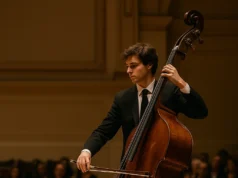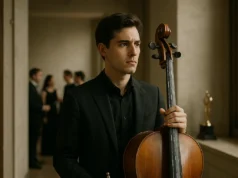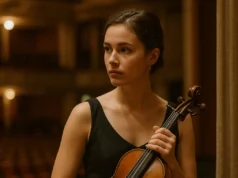




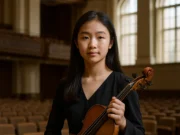






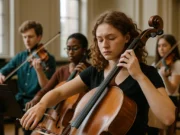


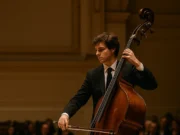
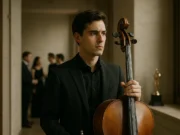




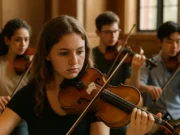








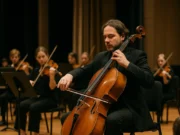
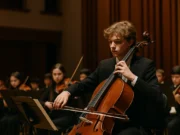

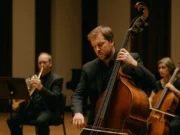


The 2026 Chesapeake Chamber Music Competition is set to continue its role as a significant event that nurtures emerging chamber ensembles. This competition provides an important platform where young artists can present their art, gain recognition, and build critical connections within the classical music world.
A Platform for Emerging Talent
Chamber music competitions such as the Chesapeake play a unique role in classical music’s ecosystem. Unlike solo competitions, chamber contests emphasize collaboration, ensemble cohesion, and interpretive dialogue among musicians. This focus on collective artistry often translates into opportunities for participants to refine their skills in chamber repertoire, a cornerstone of violin, viola, cello, and piano performance.

For performers—especially emerging musicians navigating an increasingly competitive field—competitions allow for rigorous evaluation, constructive feedback, and exposure to potential impresarios, festivals, and orchestral contractors. The Chesapeake Competition’s distinct regional branding highlights its commitment to fostering local and national talent, underscoring its relevance to ensembles beyond simply a contest setting.
Context within the Chamber Music Landscape
Established contests like the Chesapeake serve an important function in sustaining the vibrant tradition of chamber music. They help bridge the gap between academic study and professional careers by offering ensembles a venue to demonstrate both technical skill and interpretive depth under the scrutiny of expert juries.
Moreover, such events contribute to the cultural fabric of their regions, potentially attracting audiences to live performances and promoting understanding of repertoire that often remains outside mainstream concert programming. The Chesapeake Chamber Music Competition, therefore, not only rewards excellence but also aids in audience development and education about the rich legacy and ongoing vitality of chamber music.
Who Should Watch and Why
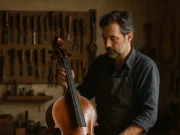
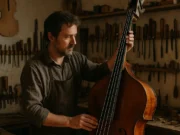
Beyond the performers themselves, students, educators, luthiers, and concert presenters have much to gain from following the competition’s outcomes. Young musicians can glean inspiration and insight into the standards of chamber performance, while educators might identify promising talent or emerging trends in repertoire and interpretation. Luthiers and instrumentmakers benefit as well, as the competition showcases the nuanced role of instrument quality and setup in ensemble playing.
For audiences, the competition offers a chance to discover fresh voices in chamber music and experience a variety of ensemble formats and approaches. The Chesapeake Competition thus reinforces the interconnectedness of the classical music community at multiple levels.
Why this matters
- The competition provides a crucial stepping stone for emerging chamber ensembles seeking professional recognition.
- It highlights the importance of collaborative musicianship in the development of classical musicians.
- Students, teachers, and industry professionals can observe current performance standards and trends within chamber music.
- The event supports regional cultural engagement and promotes audience development for chamber repertoire.
- Its continued presence ensures the vitality of chamber music within the broader classical ecosystem.
Related topics
- The role of competitions in launching chamber music careers
- How chamber music education evolves in conservatories and institutions
- Impact of instrument craftsmanship on chamber ensemble performance
Editorial Commentary
Concert reporting matters because live performance remains the place where interpretation, repertoire, audience response, and artistic identity meet most visibly. For the string community, events like this also reveal how institutions and local scenes help sustain musical culture.
Beyond the single occasion, this kind of article helps readers understand programming choices, community engagement, and the evolving role of concerts in keeping the repertoire of the violin family present and relevant.
About The Violin Post
The Violin Post is an international editorial platform dedicated to violin making, classical performance, competitions, instruments, and the wider culture of the string world.
Its coverage connects news reporting with specialist context for readers interested in performers, makers, educators, institutions, and musical heritage.
Related Articles
- The 2026 Lyon International Chamber Music Competition: A New Chapter for Emerging Ensembles
- Joan Blackman Appointed Concertmaster of Vancouver Island Symphony: A New Chapter for Nanaimo’s Premier Orchestra
- Lyon International Chamber Music Competition Reveals 2026 Finalists
— The Violin Post Editorial Staff