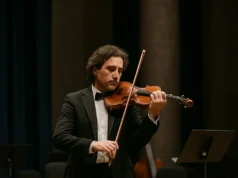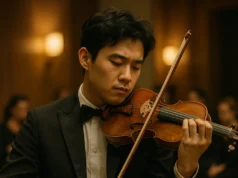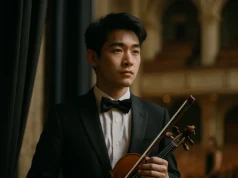

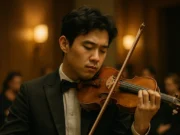
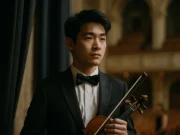
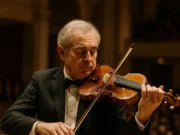
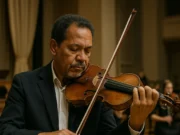
The violin’s presence in Caribbean music is a story less told yet deeply ingrained in the region’s rich tapestry of sound. While steelpan, calypso, reggae, and soca often capture global attention as quintessential Caribbean genres, the violin quietly threads through centuries of musical tradition, bearing witness to cultural exchanges and artistic ingenuity.
Tracing the Violin’s Caribbean Footprint
Introduced during colonial eras, the violin swiftly transcended its European origins to become an integral voice in local musical expressions across the islands. From folk dances to ceremonial occasions, violinists have long contributed to the sonic landscape, blending European techniques with African rhythms and indigenous melodies. This cross-pollination fostered unique styles distinctive to various Caribbean communities.
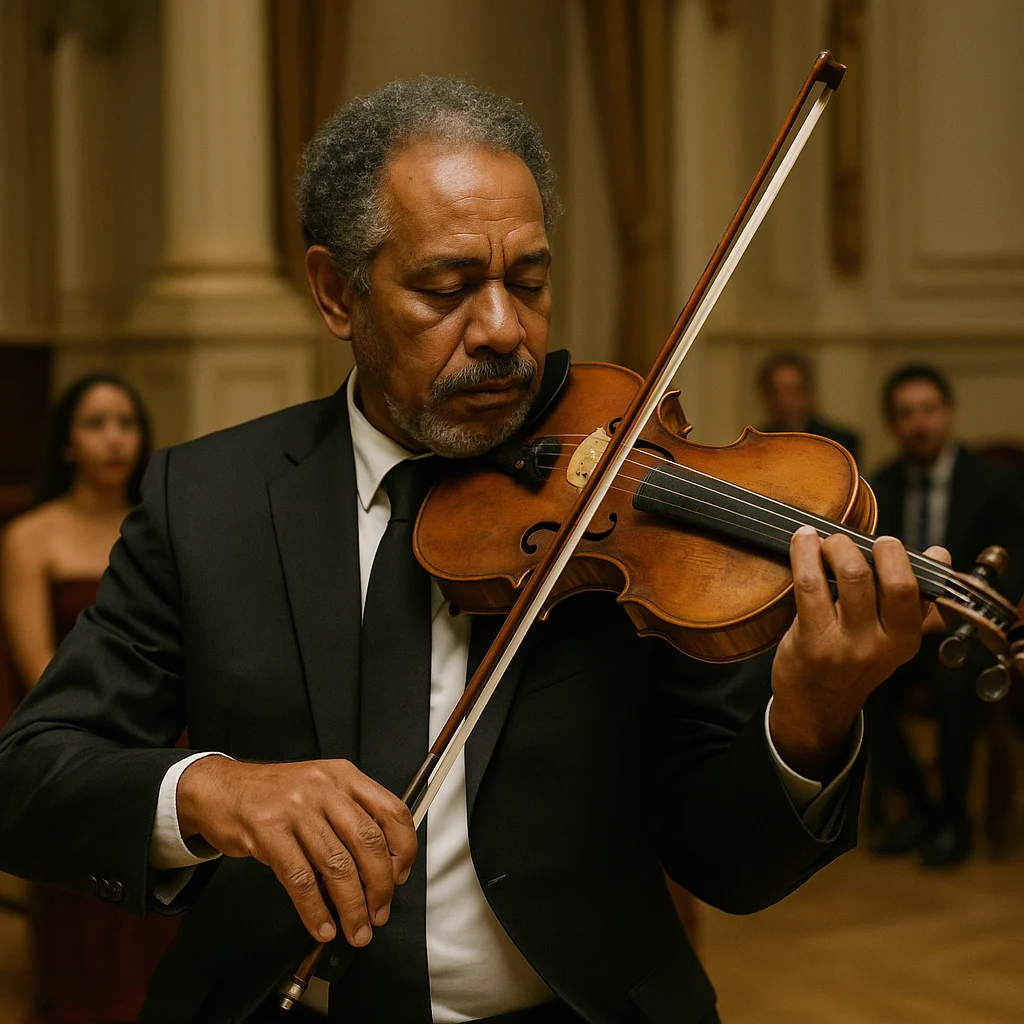
The instrument found particular resonance in areas such as Trinidad and Tobago and the Windward Islands, where fiddling traditions intertwined with calypso and quadrille music. Though the violin often operated in the background, its expressive potential enriched storytelling and communal celebrations alike.
Artists as Guardians of a Musical Legacy
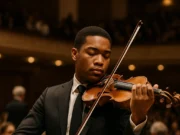
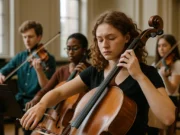
Today, a dedicated cadre of musicians continues to honor the violin’s Caribbean journey. These artists not only perform but also undertake research to revive and document traditional repertoire and playing techniques, ensuring that this facet of Caribbean heritage is neither forgotten nor overshadowed. Their efforts include educational outreach and collaborations that reimagine the violin within contemporary genres.
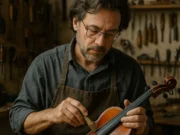
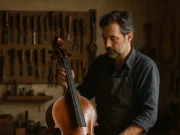
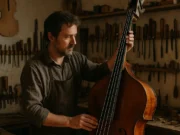
For performers and educators, the violin offers a tangible link to the cultural dialogues that have shaped Caribbean identity. For instrument makers and collectors, it represents a lineage of craftsmanship and adaptation that resonates beyond the classical canon. Moreover, audiences gain a deeper appreciation for the continent’s layered musical narratives through these initiatives.
Understanding the Violin’s Role within the Caribbean Musical Ecosystem
The violin exemplifies how diasporic influences coalesce in Caribbean artistry. Its muted yet persistent voice challenges assumptions about the region’s soundscape, inviting broader recognition of the complexity and diversity inherent in Caribbean music. Examining the violin’s role also enriches scholarly discourse on cultural hybridity and instrument evolution within the Atlantic world.
By spotlighting this hidden aspect, classical musicians, ethnomusicologists, and cultural institutions can foster more inclusive programming and research agendas. This approach not only benefits Caribbean communities but also contributes to global appreciation of classical instruments in varied contexts.
Why this matters
- Reveals a nuanced aspect of Caribbean musical heritage often overlooked in mainstream narratives.
- Supports musicians, educators, and cultural custodians dedicated to preserving and revitalizing traditional violin practices.
- Encourages greater inclusivity and diversity in classical music and ethnomusicology by acknowledging non-European influences.
- Provides instrumental makers and collectors insight into unique regional adaptations of the violin.
- Offers audiences expanded perspectives on the cultural and historical richness of Caribbean music.
Related topics
- The evolution of folk instruments in post-colonial musical traditions
- How regional genres influence contemporary classical music interpretations
- The role of musicians and educators in preserving intangible cultural heritage
Editorial Commentary
Historical coverage is essential because the string world is built on continuity: repertories, techniques, schools of craftsmanship, and performance traditions all gain meaning when they are understood in relation to what came before.
Articles like this therefore do more than document the past; they help readers interpret the present through a stronger awareness of musical heritage and of the people and ideas that shaped it.
About The Violin Post
The Violin Post is an international editorial platform dedicated to violin making, classical performance, competitions, instruments, and the wider culture of the string world.
Its coverage connects news reporting with specialist context for readers interested in performers, makers, educators, institutions, and musical heritage.
Related Articles
- A Historic Milestone: The Vienna Philharmonic Welcomes Its First Ethnic Korean Musician
- Tracing the Origins: The Legacy of the World’s Oldest Piano
- National Violin Day: Celebrating a Cornerstone of Classical Music
— The Violin Post Editorial Staff