

The discovery and study of the world’s oldest piano hold profound implications for our understanding of musical history and instrument development. Far beyond a mere antique, this instrument embodies centuries of innovation that shaped the expressive capabilities of keyboard music, influencing composers and performers alike.
The Historical Significance of Early Pianos
The piano, as it is known today, emerged from a lineage of stringed keyboard instruments. Early predecessors like the clavichord and harpsichord offered limited dynamic range and tonal variation, which composers and audiences found constraining. The invention of the piano, attributed to Bartolomeo Cristofori in the early 18th century, marked a revolutionary advancement, allowing musicians unprecedented control over volume and expression through touch sensitivity.
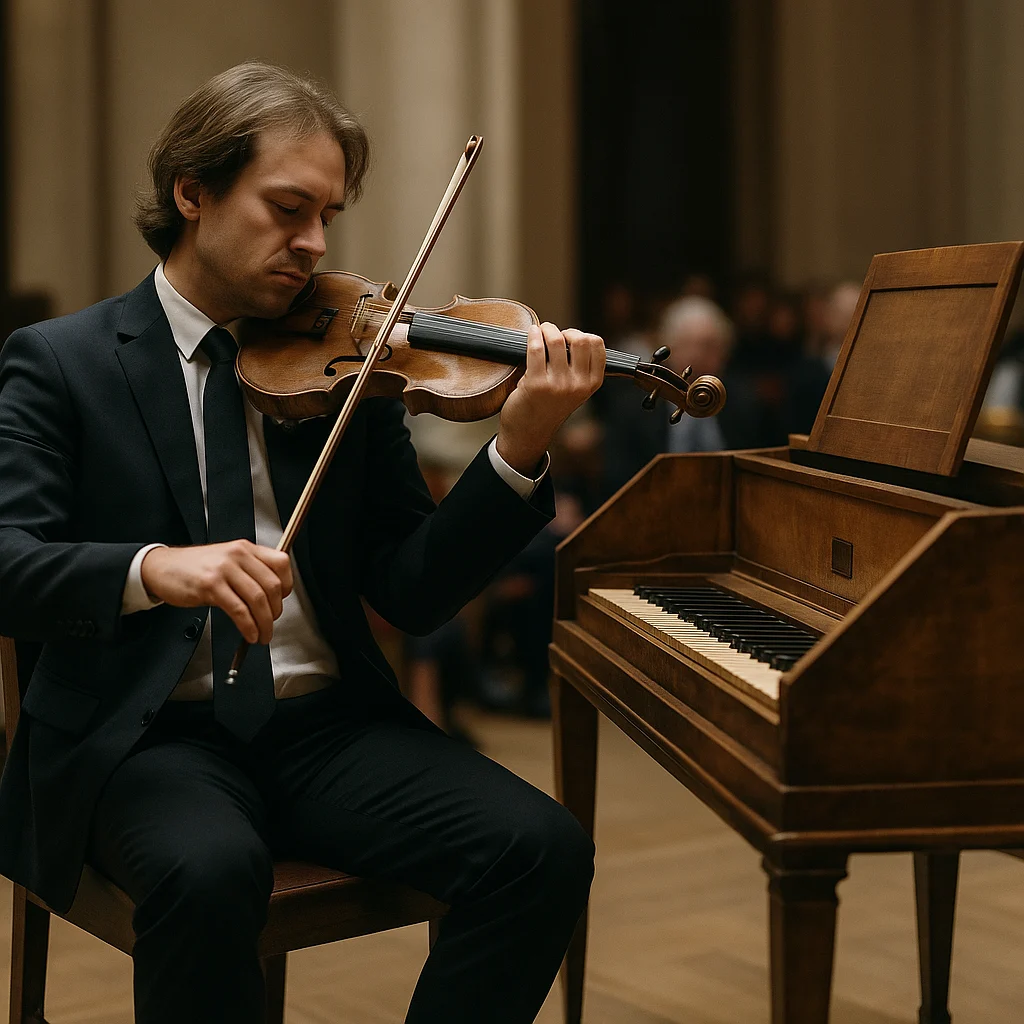
Identifying and analyzing the oldest surviving piano provides a tangible connection to this pivotal moment in musical invention. It allows historians, luthiers, and performers to study the design choices, materials, and construction techniques that defined the instrument’s infancy. Such examinations reveal how the piano gradually evolved from a delicate curiosity into a mainstay of Western musical life.
Implications for Performers, Makers, and Scholars
For contemporary performers, understanding the characteristics of early pianos enriches interpretative approaches to Baroque and Classical repertoire. Historically informed performance practice often relies on insights gained from period instruments or faithful copies. The world’s oldest piano serves as a benchmark for these endeavors, inspiring renewed consideration of articulation, phrasing, and dynamics in compositions originally intended for such instruments.
From an instrument maker’s perspective, the construction details of the earliest pianos provide a blueprint for craftsmanship techniques predating industrial methods. Luthiers studying these early designs can better appreciate the artisanal skill involved and the challenges faced by inventors in balancing structural stability with sound quality. This knowledge aids in the preservation of tradition and guides informed restorations and reproductions.
Academically, the oldest piano stands as an artifact of cultural and technological history. It invites interdisciplinary research into the social, economic, and artistic contexts surrounding its creation and use. Such study helps map the trajectory of musical tastes and performance venues, illuminating how the piano became central to both public concerts and private salons.
Broader Context Within the Classical Music Ecosystem
Within the wider sphere of classical music, the piano has played a crucial role not only as a solo instrument but also as an accompaniment tool, facilitating chamber music and vocal works. The survival of its earliest exemplars reminds us of the instrument’s transformative impact on composition and pedagogy. Educators, students, and concert halls continue to benefit from this legacy, as the piano remains a foundational element in musical training and performance.
Moreover, understanding the origins and evolution of the piano equips collectors and historians with essential knowledge to preserve and showcase these treasured instruments. Their presence in museums and private collections supports public engagement with music history and stimulates curiosity about the mechanical ingenuity behind musical expression.
Why this matters
- Illuminates the technological and artistic breakthroughs that gave rise to the modern piano.
- Informs performers seeking historically accurate interpretations of early keyboard music.
- Offers luthiers insights into craftsmanship that balances historical authenticity with contemporary restoration.
- Enhances scholarly understanding of cultural shifts in music consumption and production.
- Supports conservation efforts and public appreciation of musical heritage artifacts.
Related topics
- Evolution of keyboard instruments from harpsichord to fortepiano.
- The role of Bartolomeo Cristofori and early piano makers in instrument innovation.
- Historical performance practice and its influence on modern piano playing.
Editorial Commentary
Historical coverage is essential because the string world is built on continuity: repertories, techniques, schools of craftsmanship, and performance traditions all gain meaning when they are understood in relation to what came before.
Articles like this therefore do more than document the past; they help readers interpret the present through a stronger awareness of musical heritage and of the people and ideas that shaped it.
About The Violin Post
The Violin Post is an international editorial platform dedicated to violin making, classical performance, competitions, instruments, and the wider culture of the string world.
Its coverage connects news reporting with specialist context for readers interested in performers, makers, educators, institutions, and musical heritage.
Related Articles
- National Violin Day: Celebrating a Cornerstone of Classical Music
- Bach’s Sonatas and Partitas for Solo Violin: A Timeless Cornerstone of the Violin Repertoire
- Resonance of History: The Violins of Hope Collection Arrives in the UK
— The Violin Post Editorial Staff