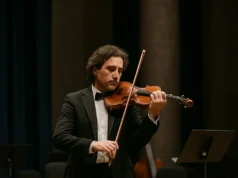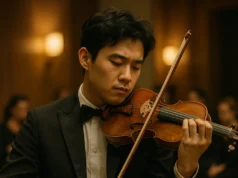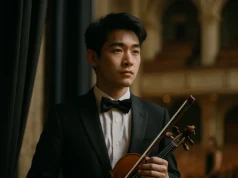

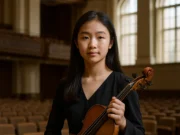
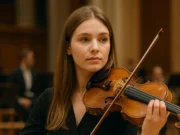
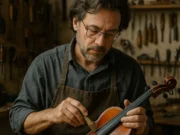
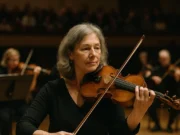
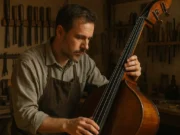
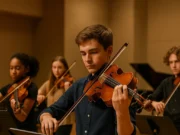
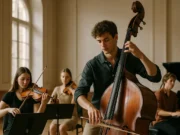
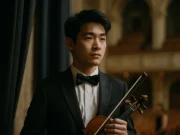
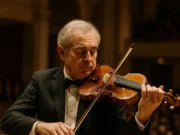
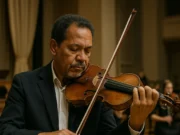
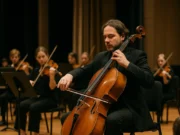
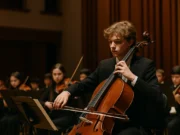
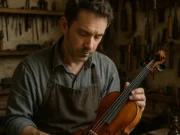
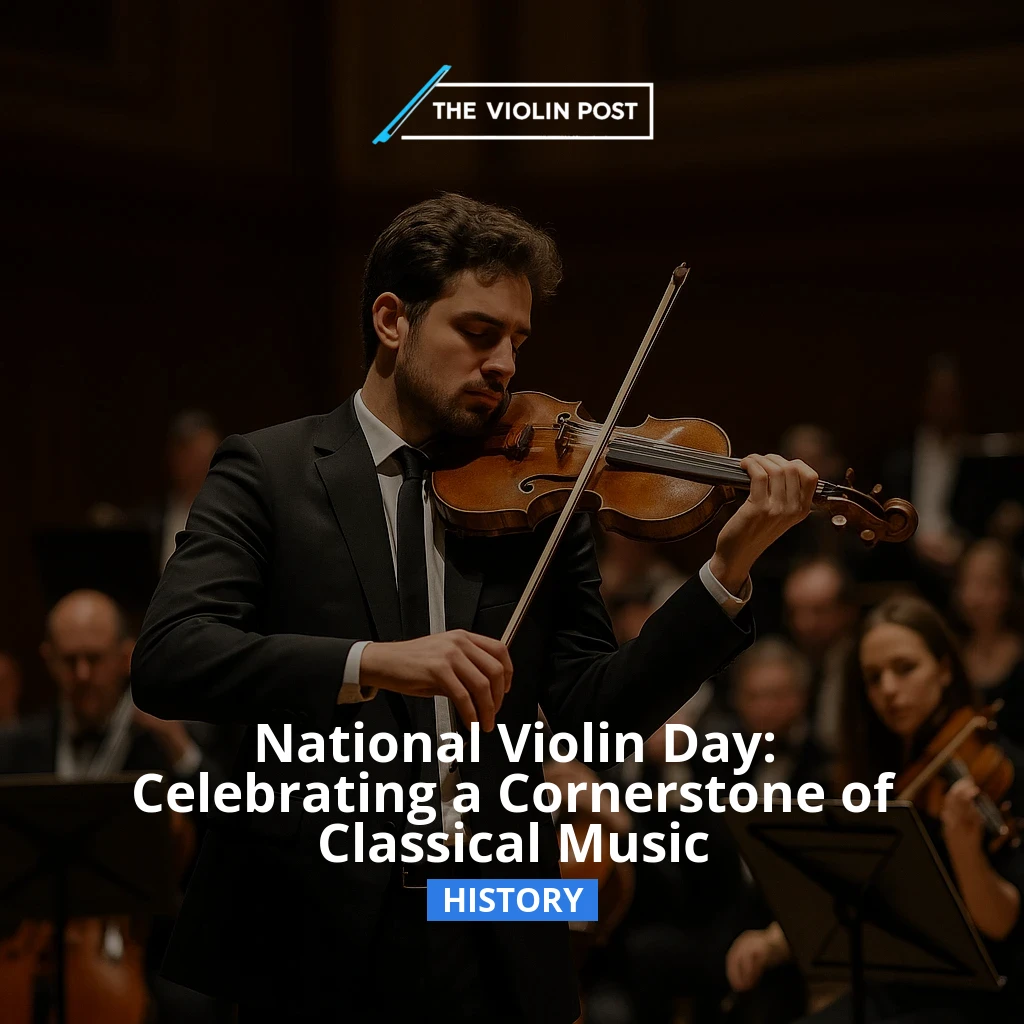
National Violin Day, observed annually on December 13, serves as a dedicated occasion to honor one of the most vital and versatile instruments in the classical music realm. Beyond being a celebrated symbol of musical expression, the violin has profoundly influenced cultural traditions, inspired generations of performers, and challenged luthiers to continually innovate the art of instrument making.
The Violin’s Historical and Cultural Significance
The violin’s evolution from early bowed string instruments in the 16th century to its standardized form has been marked by landmark developments in both design and technique. Its relatively compact size and expressive tonal range make it uniquely suited to a vast repertoire, encompassing baroque masterpieces, romantic sonatas, and contemporary compositions. National Violin Day acts as a reminder of this rich heritage, spotlighting the violin’s central role in orchestras, chamber ensembles, solo recitals, and educational settings worldwide.
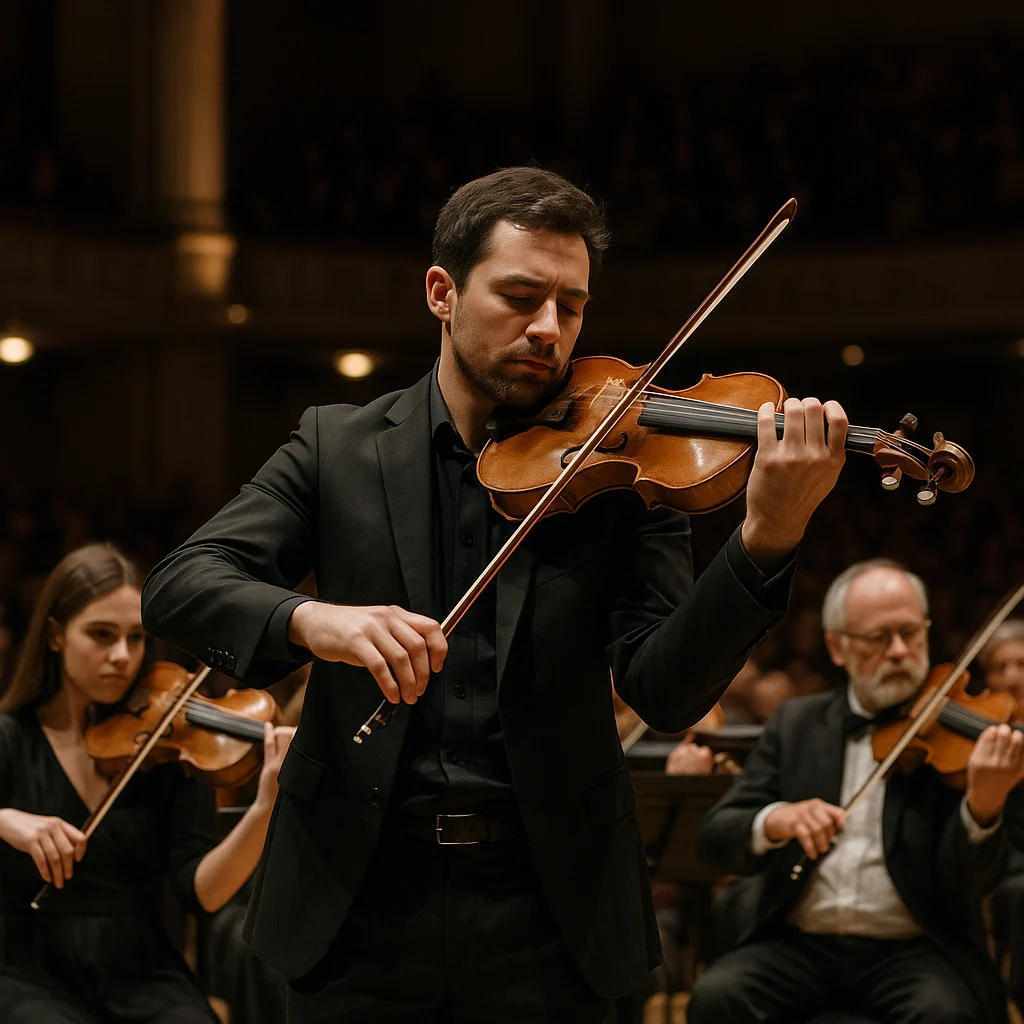
For generations, the violin has not only served as a vehicle for virtuosic performance but also as a cultural ambassador, crossing geographical and stylistic boundaries. From its roots in European classical traditions to adaptations in folk, jazz, and modern genres, the violin continues to captivate audiences and musicians alike.
Implications for Performers, Makers, and Audiences
For violinists and aspiring musicians, National Violin Day emphasizes the discipline and artistry integral to mastering the instrument. It offers a moment of reflection on pedagogical approaches and the diverse pathways within a violin career—ranging from solo performances to orchestral collaboration and chamber music interpretation.
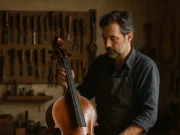
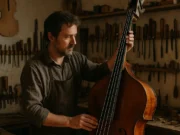
Luthiers and instrument makers, custodians of an ancient craft, also find in this day an occasion to highlight their contributions to the instrument’s acoustic qualities and playability. The ongoing dialogue between performer needs and material science keeps the violin both rooted in tradition and open to subtle evolution.
Audiences and collectors similarly benefit from an enhanced appreciation of the violin’s nuanced sound and historical value. Exhibitions, concerts, and talks that coincide with National Violin Day nurture public engagement and sustain interest in the instrument’s artistic and cultural contexts.
Looking Ahead: Sustaining the Violin’s Legacy
As National Violin Day inspires reflection on the past and present, it also invites consideration of the future. This involves supporting music education, encouraging new compositions for violin, and fostering cross-disciplinary collaborations that expand the instrument’s reach. Institutions, festivals, and communities play a pivotal role in maintaining vibrant ecosystems where the violin continues to thrive.
In an age where digital media and globalization influence musical production and consumption, reaffirming the violin’s place in live performance and craftsmanship alike is essential for preserving its legacy.
Why this matters
- National Violin Day underscores the violin’s integral role in classical music and cultural history.
- It directly affects performers, educators, luthiers, collectors, and audiences by fostering awareness and appreciation.
- The day promotes dialogue on the balance between tradition and innovation in violin playing and making.
- Supporting this observance contributes to sustaining educational and artistic pathways for future generations.
- Readers should watch for events and discussions that deepen understanding of the violin’s evolving place in the musical world.
Related topics
- The role of violin pedagogy in shaping musical careers
- How violin craftsmanship evolves with technological advances
- The impact of global musical styles on violin repertoire and performance
Editorial Commentary
Historical coverage is essential because the string world is built on continuity: repertories, techniques, schools of craftsmanship, and performance traditions all gain meaning when they are understood in relation to what came before.
Articles like this therefore do more than document the past; they help readers interpret the present through a stronger awareness of musical heritage and of the people and ideas that shaped it.
About The Violin Post
The Violin Post is an international editorial platform dedicated to violin making, classical performance, competitions, instruments, and the wider culture of the string world.
Its coverage connects news reporting with specialist context for readers interested in performers, makers, educators, institutions, and musical heritage.
Related Articles
- Bach’s Sonatas and Partitas for Solo Violin: A Timeless Cornerstone of the Violin Repertoire
- Resonance of History: The Violins of Hope Collection Arrives in the UK
- Flint’s Black History Month Celebrations: A Cultural Reflection Beyond Music
— The Violin Post Editorial Staff