

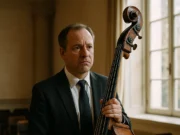
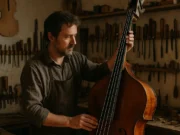
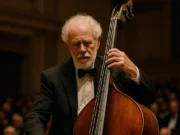
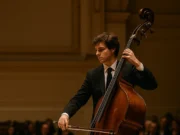
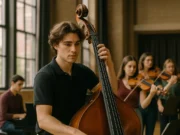
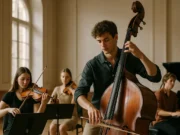


Sergey Koussevitzky remains a towering figure in the history of classical music, particularly within the realm of string performance and orchestral leadership. Gary Karr, a distinguished double bassist himself, has long acknowledged Koussevitzky’s enduring impact not only as a virtuoso player but also as a visionary conductor and patron of new music.
Koussevitzky’s career spanned the early to mid-20th century, a period marked by seismic changes in both musical style and performance practice. As a double bassist, his technical skill and expressive capabilities set new standards for the instrument. More than that, his tenure as music director of the Boston Symphony Orchestra from 1924 to 1949 established him as a central figure who bridged tradition and modernism.
A Virtuoso Beyond the Stage
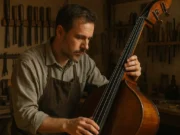
Gary Karr’s reflections emphasize Koussevitzky’s mastery of the double bass, an instrument often relegated to the background in orchestral settings. Koussevitzky’s elevation of the bass’s soloistic potential helped raise the profile of the instrument among musicians and audiences alike. His performances demonstrated not just technical proficiency but emotive depth, inspiring a generation of string players to approach the bass as a solo instrument with its own distinct voice.
Koussevitzky was also an influential mentor and advocate for composers. His commissioning and premiering of works by leading 20th-century composers nurtured the evolution of orchestral repertoire. This dual role as performer and conductor uniquely positioned him to shape the string tradition both in performance and programming.
Impact on Performers and the Classical Music Ecosystem
The relevance of Koussevitzky’s legacy extends to contemporary double bassists, string players, and conductors. His interpretation of orchestral works and dedication to new music continue to inform artistic choices and pedagogical approaches. For students and professionals alike, understanding his influence offers critical context for the instrument’s evolving role.
Moreover, Koussevitzky’s leadership of the Boston Symphony Orchestra during a crucial period in American music history helped elevate orchestral standards and expand audiences. This legacy affects orchestras, concert halls, and educational institutions that build on the foundations he helped establish.
Why this matters
- Koussevitzky’s dual career as a leading double bassist and conductor offers a rare model of artistic versatility and influence.
- His championing of new compositions helped shape 20th-century orchestral repertoire, affecting programming choices today.
- Performers, educators, and students benefit from studying his approach to the double bass, enriching the instrument’s solo and orchestral roles.
- Orchestras and audiences inherit a tradition of musical excellence and innovation stemming from his tenure.
- Recognizing his impact informs broader conversations about the evolution of string performance and leadership in classical music.
Related topics
- The evolution of the double bass as a solo instrument in the 20th century
- Influential conductors and their role in shaping orchestral repertoire
- How mentorship and advocacy sustain musical traditions within string communities
Editorial Commentary
Instrument-centered articles are valuable because they connect sound, materials, construction, and performance practice. For specialists and enthusiasts alike, they provide insight into the physical objects that stand at the heart of musical interpretation.
Read in a broader way, this type of story helps explain why the history and evolution of the $instrument_label still matter today to makers, performers, collectors, educators, and serious listeners.
About The Violin Post
The Violin Post is an international editorial platform dedicated to violin making, classical performance, competitions, instruments, and the wider culture of the string world.
Its coverage connects news reporting with specialist context for readers interested in performers, makers, educators, institutions, and musical heritage.
Related Articles
- Port Clinton Middle School Enhances Orchestra Program with New Class and Double Bass Inclusion
- Pietro Giovanni Guarneri: A Legacy Within the Guarneri Violin-Making Tradition
- The Significance of German Style Bass Bow Screws in String Instrument Maintenance
— The Violin Post Editorial Staff