

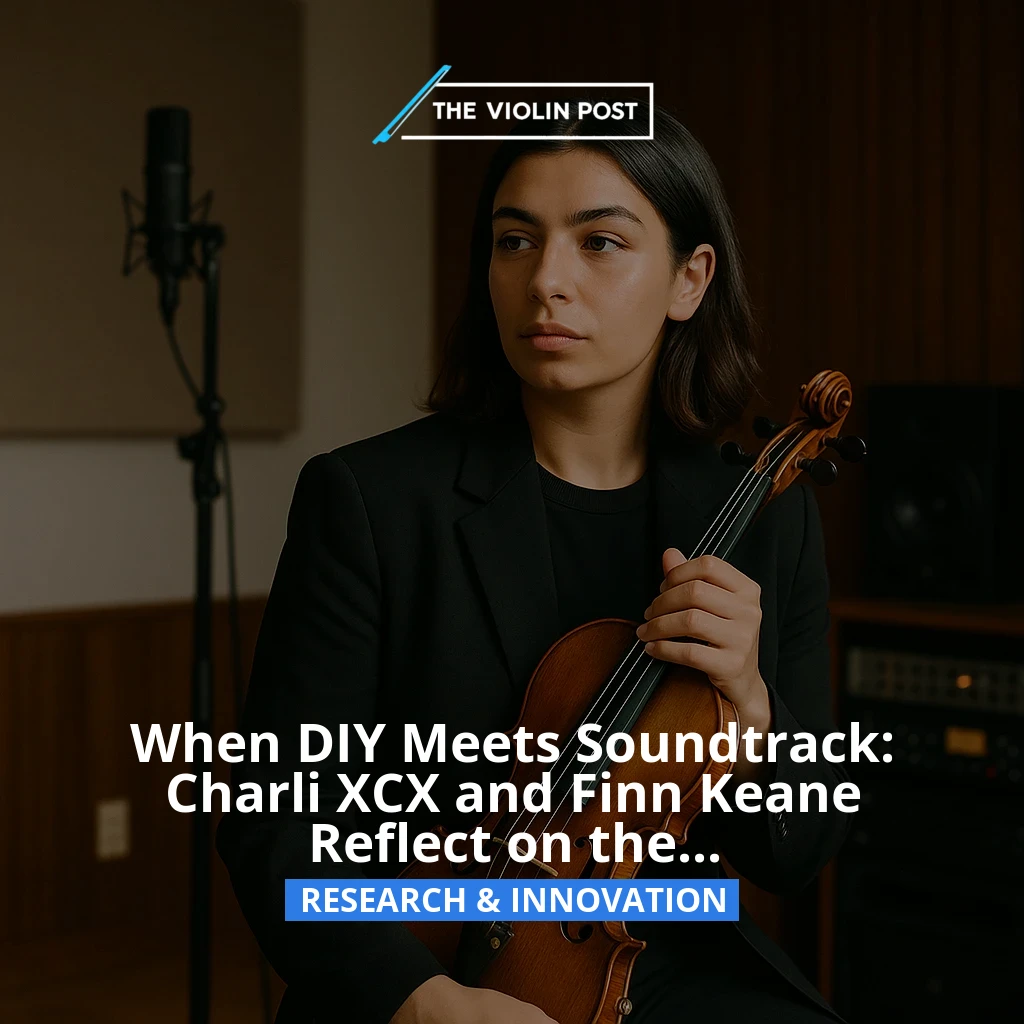
The allure of the violin in soundtracks is indisputable, often adding emotional depth and urgency. Yet, behind the richly curated strings of any score lies a process marked by experimentation and limitation. Such was the case in the production of the “Wuthering Heights” soundtrack, where pop artist Charli XCX and producer Finn Keane candidly shared insights into the challenges and unintended quirks arising from their use of a modest violin amidst the recording process.
Context and Creative Choices in “Wuthering Heights” Soundtrack
The soundtrack for “Wuthering Heights,” inspired by the classic literary tale, called for an evocative musical palette that would evoke the tempestuous emotions of the narrative. Traditionally, such scores rely on seasoned string players and high-quality instruments to convey subtle nuances. However, Charli XCX, primarily known for her work in pop music, admitted to a more DIY approach in this case.
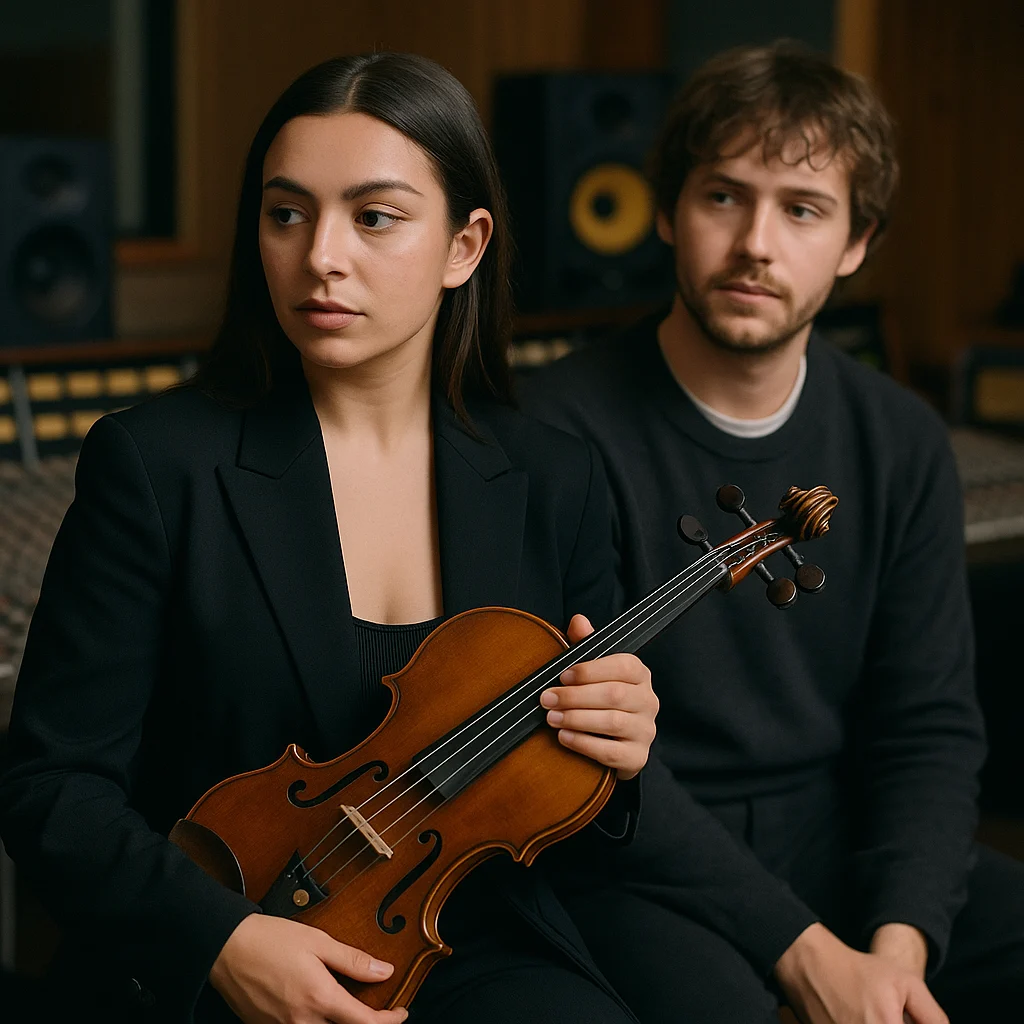
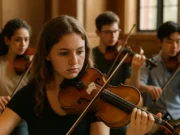
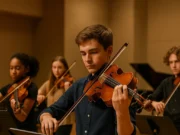
Finn Keane, who undertook production duties, recounted how Charli herself attempted to contribute violin parts, despite not being a trained player. “I can’t play the violin,” she confessed, acknowledging her limitations while also describing how she had purchased a “crappy, cheap violin” for the sessions. This unconventional choice added an unexpected texture to the recordings, though it occasionally elicited surprise from collaborators entering the studio.
Impact of Nontraditional Instrumentation on the Sound
The sound of these strings, described by the producers as “nails-on-a-chalkboard,” introduced a raw and somewhat jarring quality to certain tracks. This outcome, while unpolished, reflected a particular aesthetic—embracing imperfection as a part of artistic expression.
Such an approach challenges the common assumption that professional soundtracks must rely solely on virtuoso performances and pristine instruments. Instead, the resulting textures from less traditional sources can infuse recordings with a uniquely human element, evoking feelings and tensions that align with the narrative themes. For “Wuthering Heights,” a story famed for its emotional volatility, this proved an intriguing sonic complement.
Who Benefits and What This Means for Production Practices
Performers and producers venturing beyond classical conventions may find inspiration in these anecdotes. Students and emerging artists will note that achieving evocative soundscapes does not always demand impeccable technical mastery, but can also arise from experimentation and serendipity.
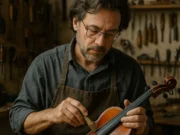
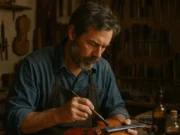
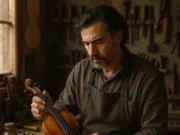
From a luthier’s perspective, the story signals a reminder that instrument choice and quality—while crucial—interact with player expertise and recording context to shape final outcomes in unpredictable ways. Audiences tuning into scores that weave in these textured imperfections might develop a new appreciation for the layered stories behind the music.
Looking Ahead: Embracing Imperfection in Classical and Popular Music Fusion
This candid admission from Charli XCX and Finn Keane highlights the evolving boundary between popular music production and classical instrumentation. As genres increasingly intersect, the collaborative process may welcome diverse skill levels and unconventional instruments, enriching the sonic palette.
The continuing dialogue between traditional virtuosity and experimental accessibility could lead to fresh modes of expression within film soundtracks and beyond, inviting a reexamination of what qualifies as a ‘beautiful’ or ‘effective’ violin sound.
Why this matters
- It underscores how non-traditional approaches to string playing can influence soundtrack production, challenging strict notions of musical perfection.
- The revelation is particularly relevant to performers, producers, and students exploring cross-genre collaborations.
- Listeners and audiences may gain deeper awareness of the creative decisions that shape film music’s emotional impact.
- Luthiers and instrument makers see the interplay between instrument quality and usage context affecting sonic character.
- It suggests the potential for embracing sonic imperfections as expressive tools in classical and popular music fusion projects.
Related topics
- The role of amateur musicianship in professional music production
- Innovations in soundtrack composition through genre blending
- Exploring the emotional effects of imperfect string timbres in recorded music
Editorial Commentary
Research and innovation stories matter because they reveal how the world of string instruments continues to evolve through acoustics, materials science, pedagogy, technology, and new forms of collaboration between artists and specialists.
For readers of a specialist publication, this broader perspective is useful in understanding which developments may influence the future of performance, instrument making, conservation, and audience experience.
About The Violin Post
The Violin Post is an international editorial platform dedicated to violin making, classical performance, competitions, instruments, and the wider culture of the string world.
Its coverage connects news reporting with specialist context for readers interested in performers, makers, educators, institutions, and musical heritage.
Related Articles
- Electric Violin Labs: A New Nexus for Innovation in Music and Education
- String Fling Concert Offers Respite and Enrichment to Students and Audience in Burlington
- Rediscovering the Bow: A Brighton Violinist’s Remarkable Return at 84
— The Violin Post Editorial Staff