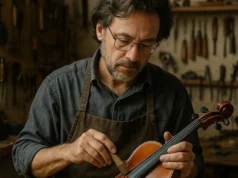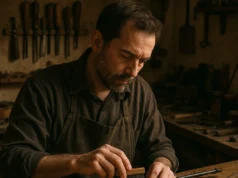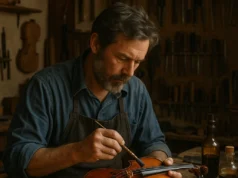

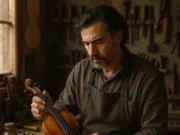
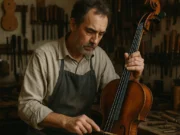
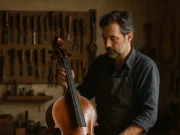
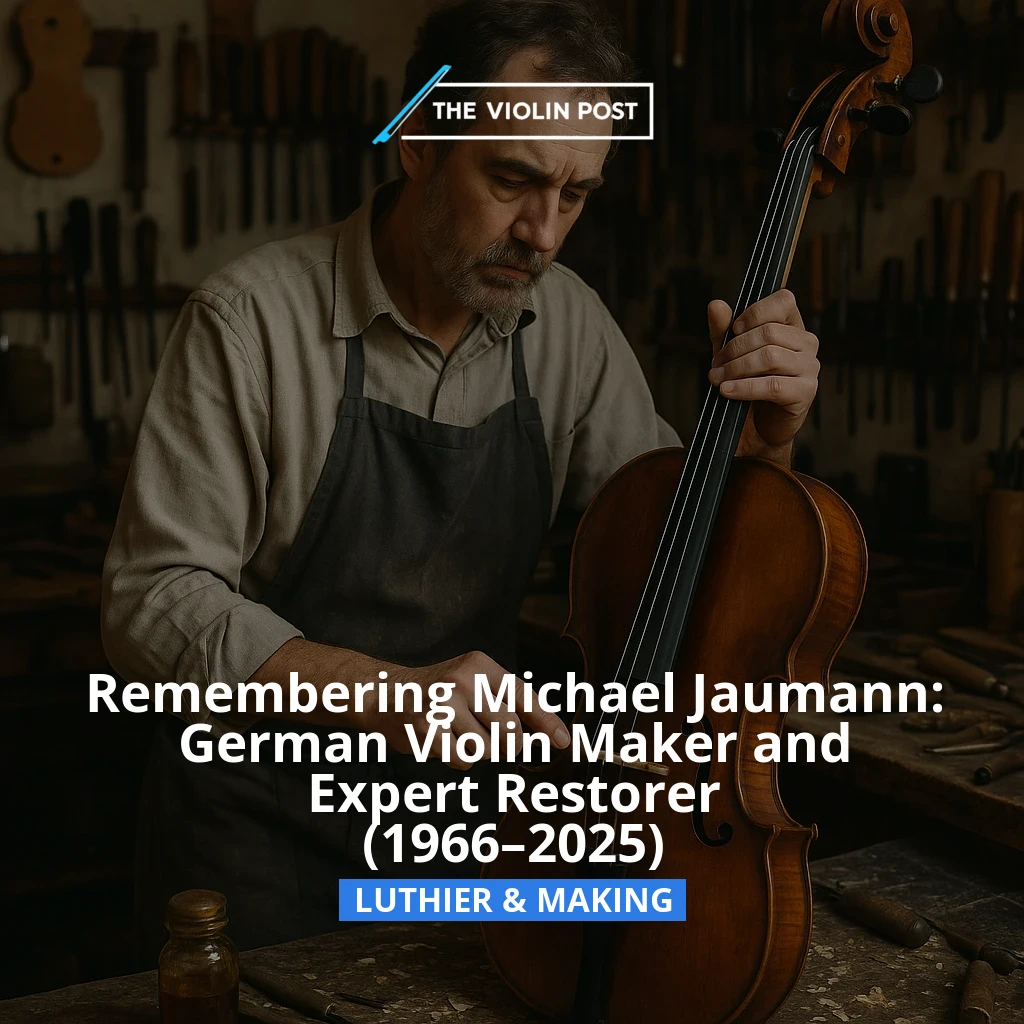
Michael Jaumann, the distinguished German violin maker and restorer born in 1966, passed away in 2025. Known for his meticulous craftsmanship and deep understanding of string instrument construction, Jaumann contributed significantly to the world of bowed instruments. His passing marks a loss for makers, performers, collectors, and institutions dedicated to the preservation and advancement of violin making traditions.
A Life Devoted to Violin Craftsmanship and Restoration
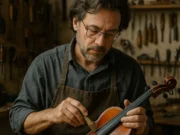
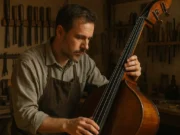
Throughout his career, Jaumann combined traditional lutherie techniques with a modern eye for precision. His work was not limited solely to making new instruments; he was also highly regarded for his restoration skills, ensuring the longevity and tonal qualities of historic violins, violas, cellos, and double basses. These efforts support both performers seeking authentic sound and collectors preserving cultural heritage.
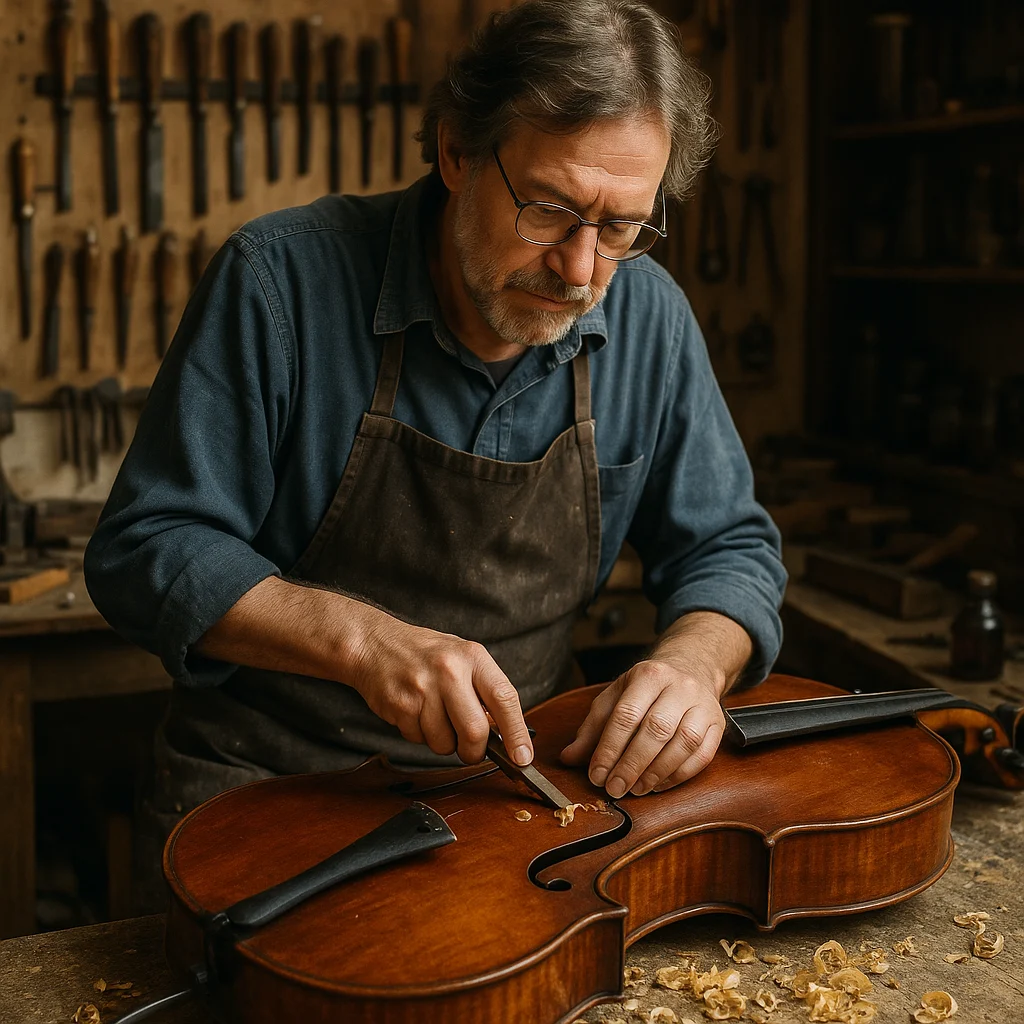
Jaumann’s expertise was anchored in Germany’s rich violin-making heritage. His approach reflected a dedication to balance aesthetic finesse with acoustical excellence—qualities essential for instruments played in the professional classical music sphere. His restorations have enabled numerous historic instruments to continue their musical journeys, bridging centuries of tradition with present-day performance.
Impact on the Violin Community and Beyond
The passing of a luthier like Jaumann resonates beyond the workshop. Performers who rely on well-maintained instruments, orchestras seeking tonal consistency, and ensembles preserving period sound all benefit from the work of master restorers. Moreover, his contributions highlight the often underappreciated role of instrument makers in the classical music ecosystem. Without skilled luthiers, the lineage of great string instruments and the artistry they enable would be incomplete.
Educational institutions and upcoming makers look to figures like Jaumann as examples of how tradition and innovation intersect. His career underscores the importance of maintaining technical expertise and historical knowledge in lutherie, especially as the classical music community prepares instruments for future generations.
Why this matters
- Michael Jaumann’s death represents the loss of an expert skilled both in crafting and restoring fine string instruments.
- Performers and collectors directly feel the impact through the availability and condition of instruments essential for classical music performance and preservation.
- His work exemplifies the vital connection between luthiers and the broader cultural heritage of violin making across Europe.
- This moment invites reflection on the importance of supporting the next generation of violin makers and restorers.
- It encourages awareness about the ongoing care and expertise required to maintain the historical and artistic value of stringed instruments.
Related topics
- The evolving role of violin restoration in preserving musical heritage
- How master luthiers influence the tonal development of modern string instruments
- The relationship between instrument makers and performing artists in the classical music world
Editorial Commentary
Coverage related to violin making is important because instruments are never separate from the musical culture around them. Craftsmanship, tonal research, restoration practice, and workshop traditions all influence how performers experience and present sound.
In this context, stories connected to makers and workshops help readers see how the legacy of the $instrument_label is preserved, interpreted, and renewed through the work of contemporary luthiers and institutions.
About The Violin Post
The Violin Post is an international editorial platform dedicated to violin making, classical performance, competitions, instruments, and the wider culture of the string world.
Its coverage connects news reporting with specialist context for readers interested in performers, makers, educators, institutions, and musical heritage.
Related Articles
- Artificial Intelligence and the Pernambuco Bow: Combating Illegal Logging by 2026
- Exploring Sustainable Alternatives to Pernambuco Wood in Violin Bow Making
- Inside the Workshops: Conversations and Craftsmanship Behind Ten Contemporary Violin and Bow Makers
— The Violin Post Editorial Staff