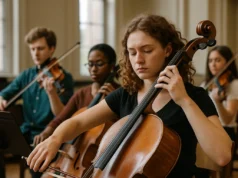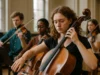

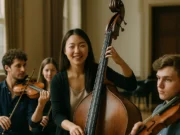
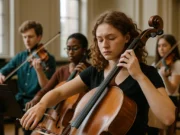
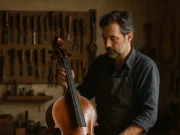
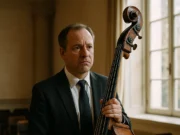
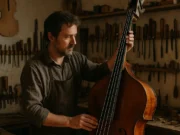
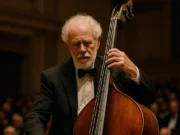
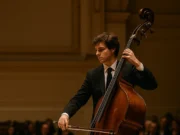
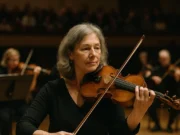
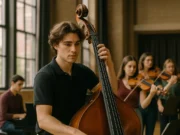
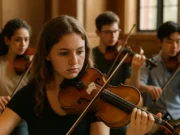
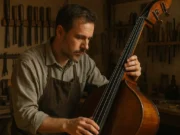
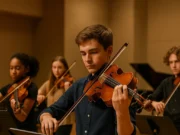
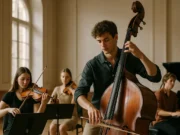
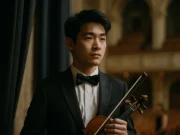
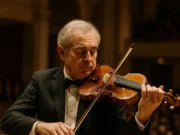
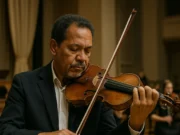
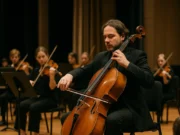
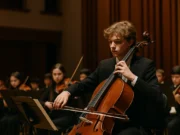
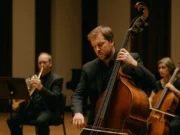
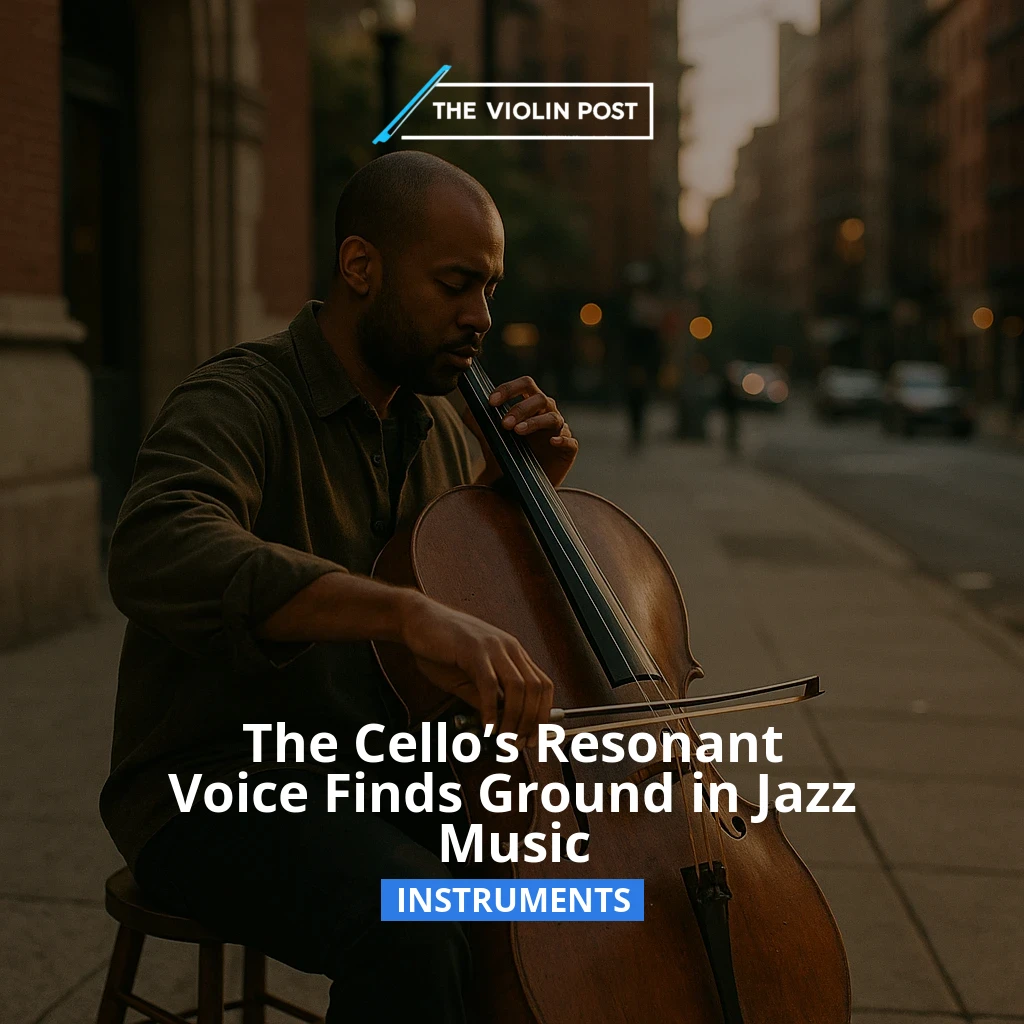
The cello, long revered for its rich, sonorous tones in classical music, is increasingly making its presence felt in the jazz world. Although it remains less common than saxophones or trumpets in jazz ensembles, the cello offers a unique palette of sounds that musicians are harnessing to fresh effect. This development not only broadens the cello’s role but also enriches jazz’s evolving tonal landscape.
From Classical Roots to Jazz Innovation
Historically, the cello has been emblematic of chamber and orchestral music, prized for its capacity to bridge bass and tenor ranges with warmth and lyricism. Its use in jazz, however, was sporadic for decades, primarily limited to experimental or avant-garde settings. Cellists venturing into jazz have faced challenges such as adapting bowing techniques, embracing improvisation, and finding ways to integrate with the harmonic and rhythmic frameworks of the genre.
Despite these challenges, pioneering artists have showcased the cello’s flexibility, employing it both melodically and rhythmically. The instrument’s capacity to ripple with deep, woody undertones or to soar with expressive vibrato gives jazz ensembles a distinctive voice, one that can surprise yet resonate with audiences familiar with traditional jazz instrumentation.
Impact on Performers, Audiences, and the Jazz Ecosystem
For performers, the crossover of cello into jazz opens new avenues for creative exploration and career diversification. Cellists trained in classical tradition are expanding their technical and improvisational skills to meet the demands of jazz, while jazz musicians are increasingly open to incorporating the cello’s textural possibilities into their suites and improvisations.
Audiences benefit from this confluence through exposure to a fresh sound that fuses familiarity with innovation. The cello’s prominence in jazz settings challenges preconceived notions about the instrument’s capabilities and fosters a broader appreciation of jazz’s adaptability and inclusivity.
From an institutional perspective, educational programs and jazz festivals that support the cello’s integration nourish this cross-genre dialogue. Such initiatives help cultivate a new generation of musicians fluent in both classical and jazz traditions, thus strengthening the overall ecosystem of string instruments in contemporary music.
Challenges and Future Trajectories
Despite progress, the cello’s position in jazz remains niche. Technical challenges regarding amplification, technique adaptations, and repertoire development persist. Additionally, the balance between preserving classical technique and embracing the looseness of jazz improvisation requires ongoing pedagogical innovation.
Looking ahead, increased interdisciplinary collaborations and recordings highlight the cello’s growing role. As more artists experiment and audiences expand their tastes, the cello is set to further embed itself within jazz’s rich tapestry, amplifying both genres’ expressive possibilities.
Why this matters
- The cello’s emergence in jazz signifies an important broadening of the instrument’s traditional role, signalling evolving artistic boundaries.
- Performers—both cellists and jazz musicians—are directly affected as they explore new techniques and collaborations.
- Audiences and institutions gain enriched musical experiences through this cross-pollination, fostering greater appreciation of instrumental versatility.
- The ongoing dialogue between classical and jazz traditions is critical for sustaining innovation and retaining musical relevance in contemporary landscapes.
- Monitoring this trend offers insight into how classical instruments can adapt and thrive beyond conventional genres.
Related topics
- How improvisation transforms classical string playing
- The role of string instruments in avant-garde jazz ensembles
- Interdisciplinary collaborations shaping modern chamber music
— The Violin Post Editorial Staff